


 English
 русский
 Español
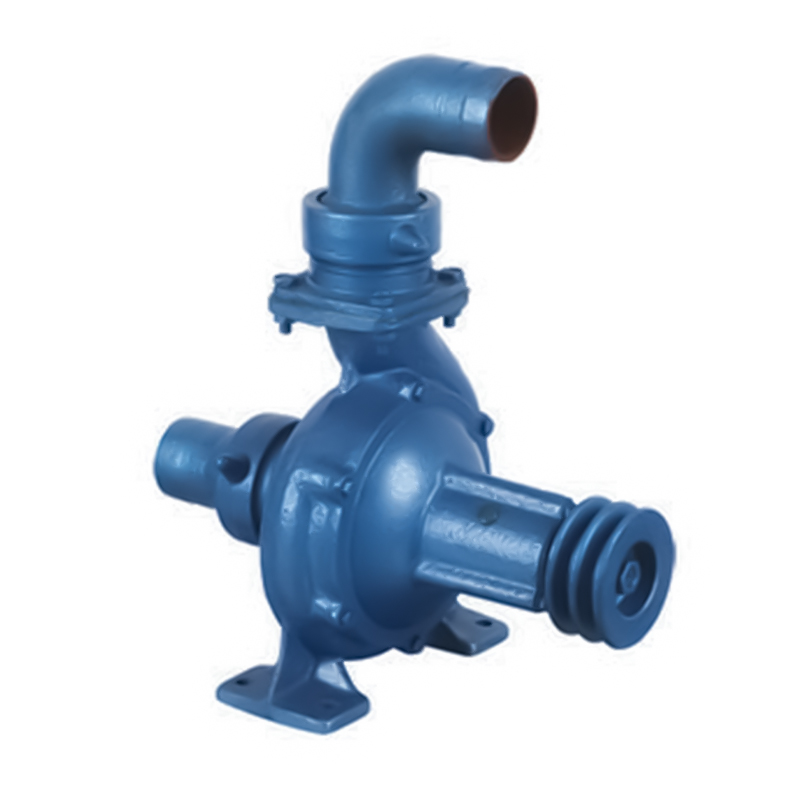
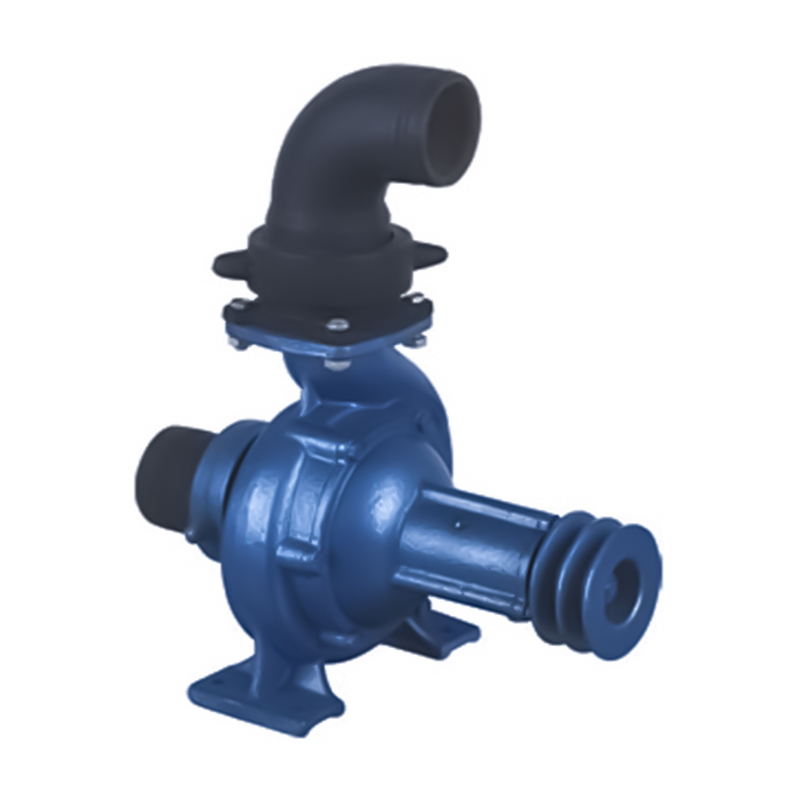
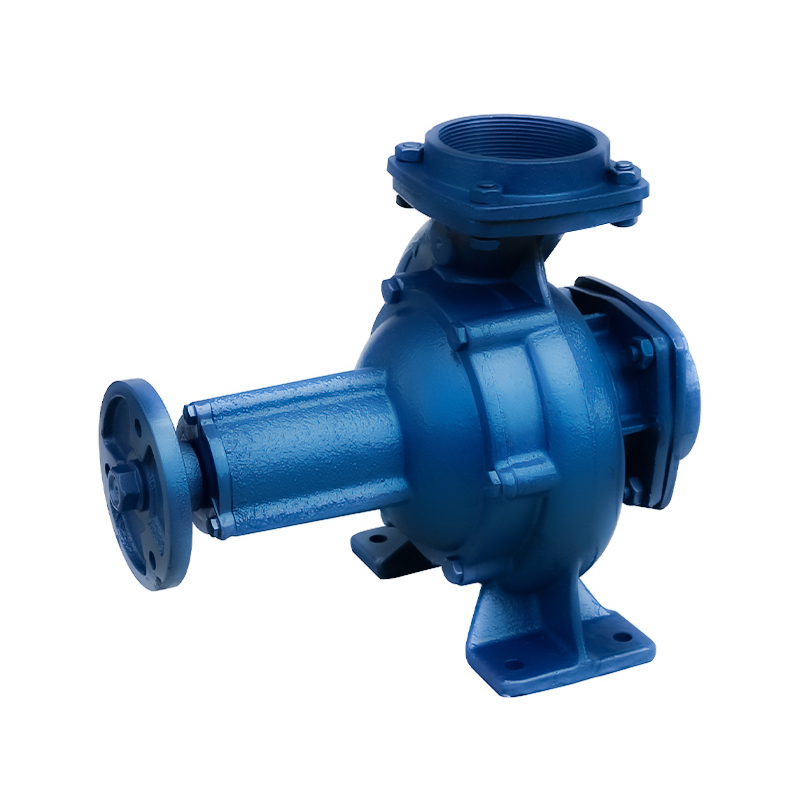
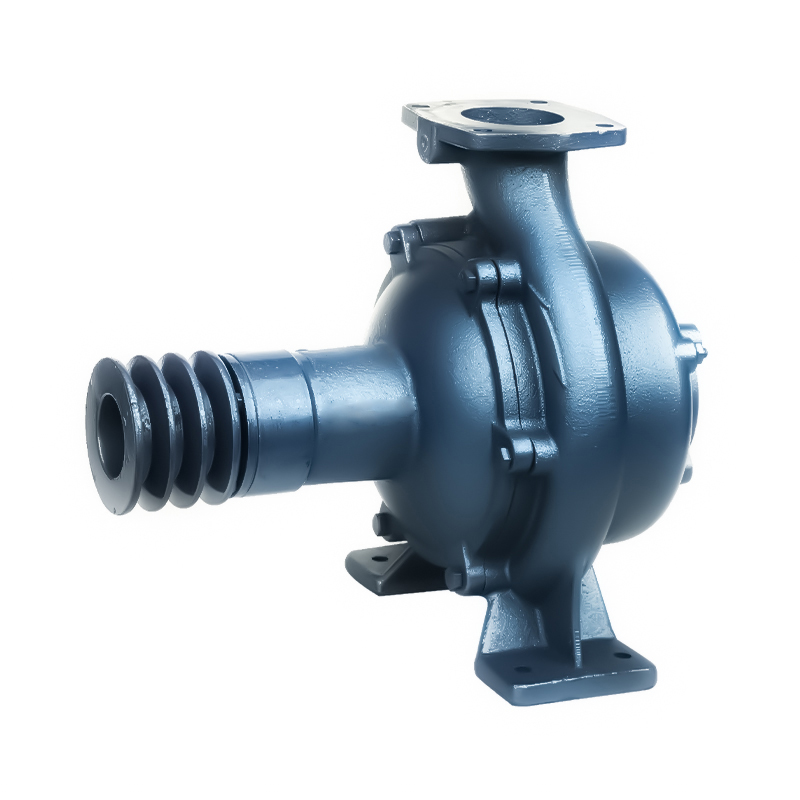
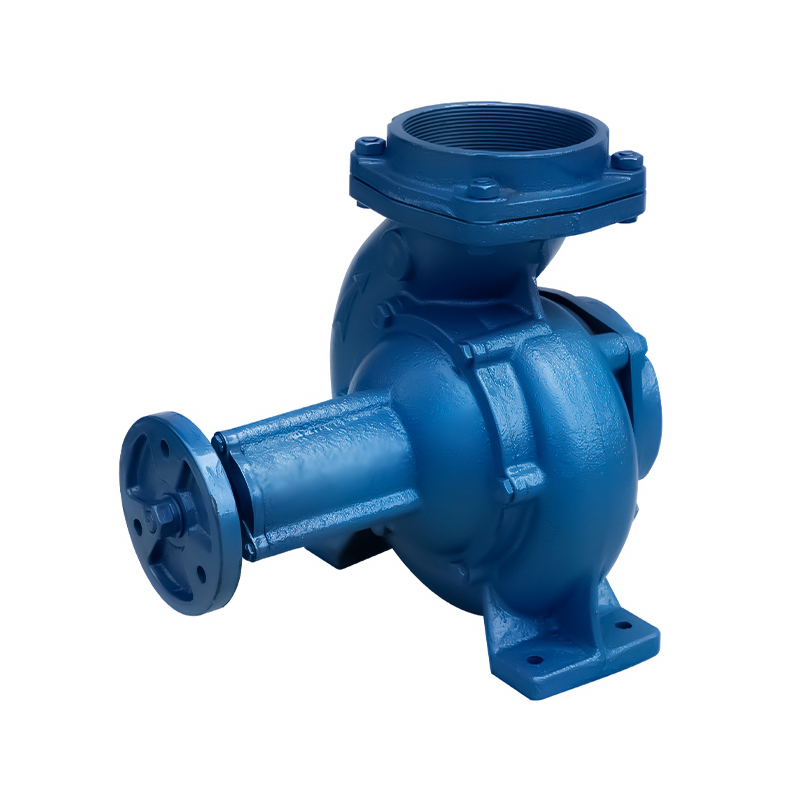
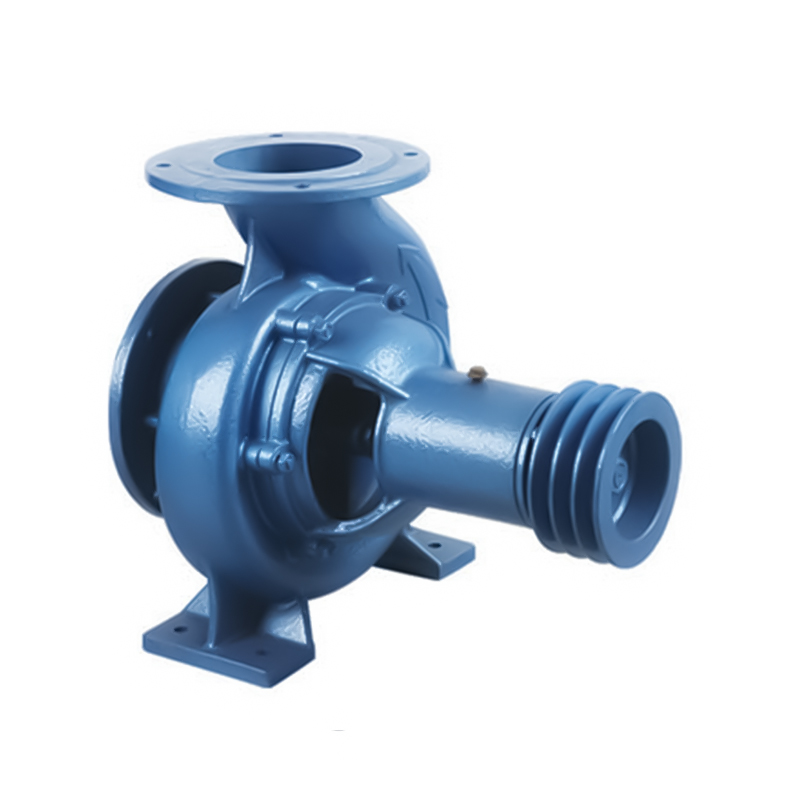
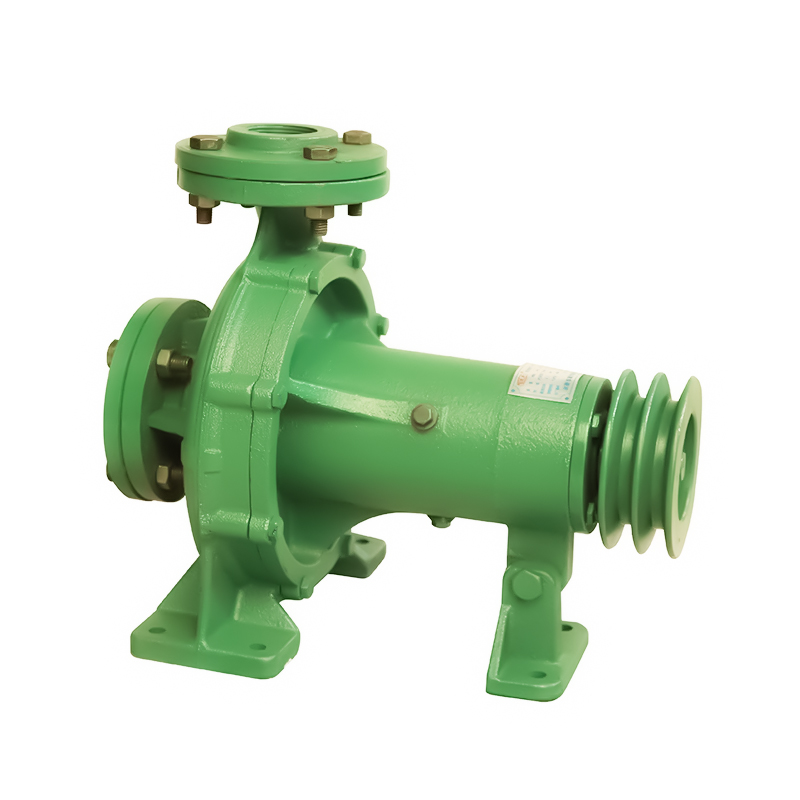
Reliable irrigation is becoming an important factor for agricultural businesses that need stable crop production and efficient water management. From commercial farms to irrigation contractors and equipment distributors, buyers are paying more attention to pump performance, installation flexibility, and maintenance requirements before choosing equipment. A suitable Sprinkler Irrigation Centrifugal Pump can support consistent water pressure for sprinkler systems, while an Agricultural Self-Priming Pump can provide practical advantages in applications involving variable water sources or challenging installation conditions. As a pump manufacturer, we focus on helping customers select solutions that match their actual irrigation environments rather than simply offering standard products.
Irrigation Challenges Are Changing Purchasing Decisions
Agricultural projects today often involve more complex operating conditions than traditional irrigation systems. Water sources may be located far from fields, land areas may vary in elevation, and irrigation schedules may change according to crop growth stages.
Because of these factors, buyers are increasingly looking for pumps that can provide dependable operation under different conditions. Engineers and project managers usually analyze the complete irrigation system before making purchasing decisions, including pipeline design, sprinkler layout, water availability, and expected operating time.
This approach helps avoid equipment selection issues and ensures that the pump works efficiently within the entire irrigation network.
The Role of Stable Water Pressure in Sprinkler Applications
Uniform water distribution is one of the main goals of sprinkler irrigation. If water pressure fluctuates during operation, sprinkler coverage may become inconsistent and affect irrigation results.
A properly selected Sprinkler Irrigation Centrifugal Pump helps maintain stable water flow and pressure, making it suitable for many agricultural applications such as open-field irrigation, greenhouse systems, and landscape farming projects.
When evaluating centrifugal pump options, professional buyers often focus on:
Flow capacity according to irrigation demand
Pressure performance across different working conditions
Pump structure and material durability
Compatibility with motors and control systems
Ease of installation and maintenance
These factors contribute to a more balanced irrigation system and better equipment utilization.
Why Flexible Pump Solutions Are Important for Different Water Sources
Not every agricultural site has the same water supply conditions. Some farms use underground water, while others rely on surface water from ponds, rivers, or storage tanks. These differences influence pump selection.
An Agricultural Self-Priming Pump can be a practical choice for projects where easier startup and flexible operation are important. The self-priming capability helps reduce preparation work before pumping begins, which can be useful for seasonal irrigation tasks and mobile applications.
For agricultural distributors, providing different pump configurations allows them to serve customers with diverse field requirements and regional conditions.
Improving Project Efficiency Through Proper Pump Configuration
Many irrigation problems are related not to pump quality itself, but to unsuitable system matching. A pump that does not meet actual project requirements may to unstable pressure, increased maintenance needs, or unnecessary operating costs.
Before production, manufacturers usually need to understand several application details:
Water source characteristics
Required flow and pressure range
Pipeline length and diameter
Working environment
Power supply conditions
By reviewing these details, suppliers can recommend more appropriate pump specifications and reduce potential issues during installation.
Manufacturing Quality Supports Long-Term Equipment Performance
For international buyers, product reliability is closely connected with manufacturing processes. Pump components, assembly accuracy, and quality inspection procedures all influence operating performance.
As a manufacturer, we pay attention to every stage of production, from component selection to final testing. This helps ensure that pumps delivered to global customers meet the requirements of different agricultural applications.
In addition to product manufacturing, technical communication is also an important part of supplier support. Clear guidance regarding installation, operation, and maintenance helps customers manage equipment more effectively.
Maintenance Planning Helps Protect Irrigation Investment
Agricultural pumps often operate during important farming periods, making regular maintenance an essential part of equipment management.
Simple maintenance practices can improve operational stability, including checking connections, monitoring water intake conditions, inspecting wearing parts, and cleaning components when necessary.
For farms and distributors, establishing a maintenance plan can reduce unexpected interruptions and support more predictable irrigation operations throughout the year.
Developing Practical Pump Solutions for Modern Agriculture
As agricultural water management continues to evolve, buyers need irrigation equipment that combines reliable performance with flexible application options. Choosing a suitable Sprinkler Irrigation Centrifugal Pump helps maintain effective sprinkler operation, while an Agricultural Self-Priming Pump provides additional convenience for projects with different installation requirements. By cooperating with an experienced manufacturer, global agricultural businesses can obtain pump solutions that are designed around real field conditions and support more efficient irrigation management.

 Email:
 Phone:+86-13605899207