


 English
 русский
 Español
Energy consumption has become an increasingly important consideration in modern fluid handling systems, especially in applications where a high-flow centrifugal pump is used for continuous or long-duration operation. As industrial and infrastructure systems expand in scale and complexity, the focus on reducing unnecessary energy loss while maintaining stable hydraulic performance has become a key engineering priority.
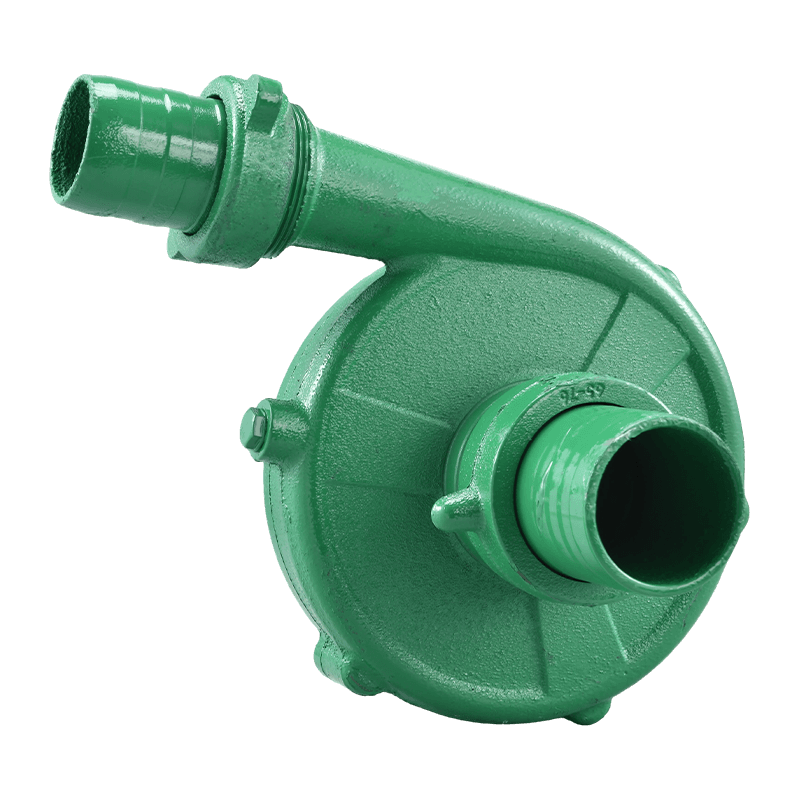
Understanding Energy Use in High-Flow Pumping Systems
In any fluid transport system, energy is required to overcome resistance, elevate pressure, and maintain continuous flow. In high-flow applications, the amount of fluid moved per unit time naturally increases the energy demand. However, the total energy consumption is not determined only by flow rate; it is also influenced by system design, hydraulic efficiency, and operational stability.
When a pump operates under unstable conditions, part of the input energy may not be effectively converted into useful hydraulic output. Instead, energy can be dissipated through turbulence, internal friction, or vibration. These losses become more significant in systems that run continuously or under variable load conditions.
Understanding how energy is distributed within the system is an important step in identifying opportunities for improved efficiency without altering the entire infrastructure.
Hydraulic Efficiency and Internal Flow Design
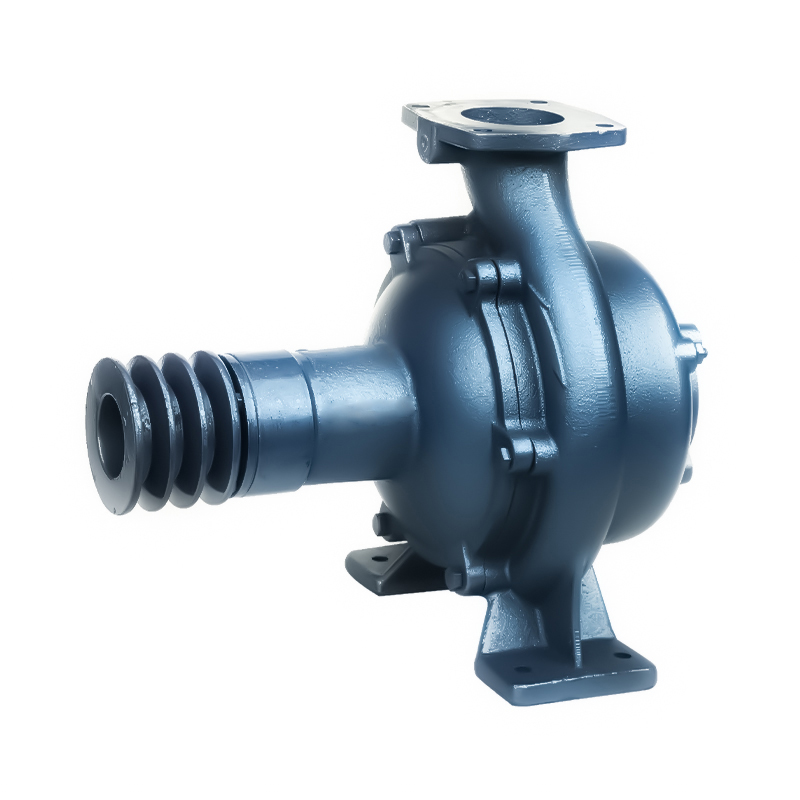
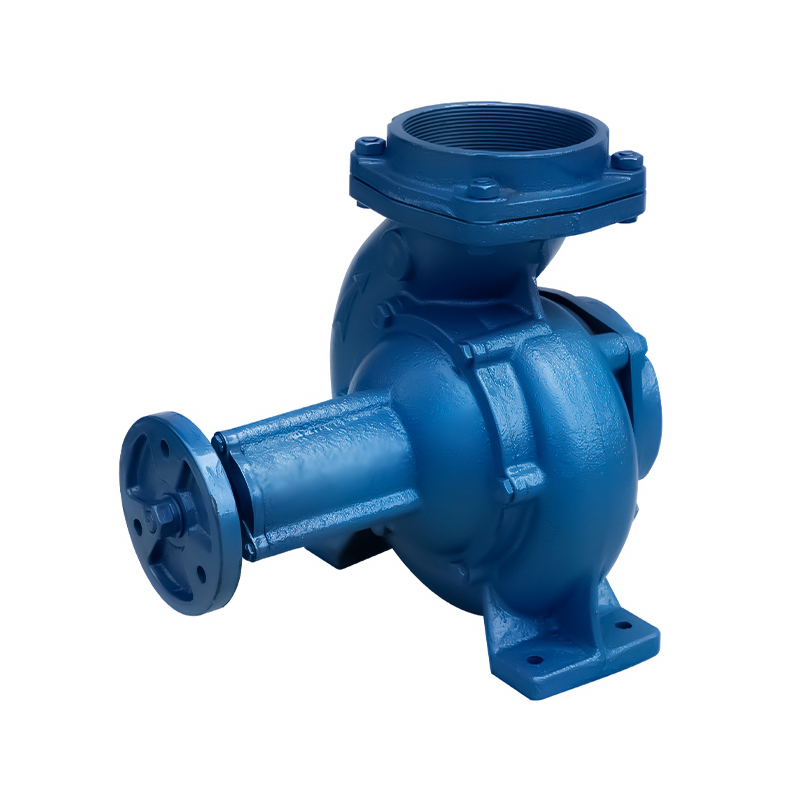
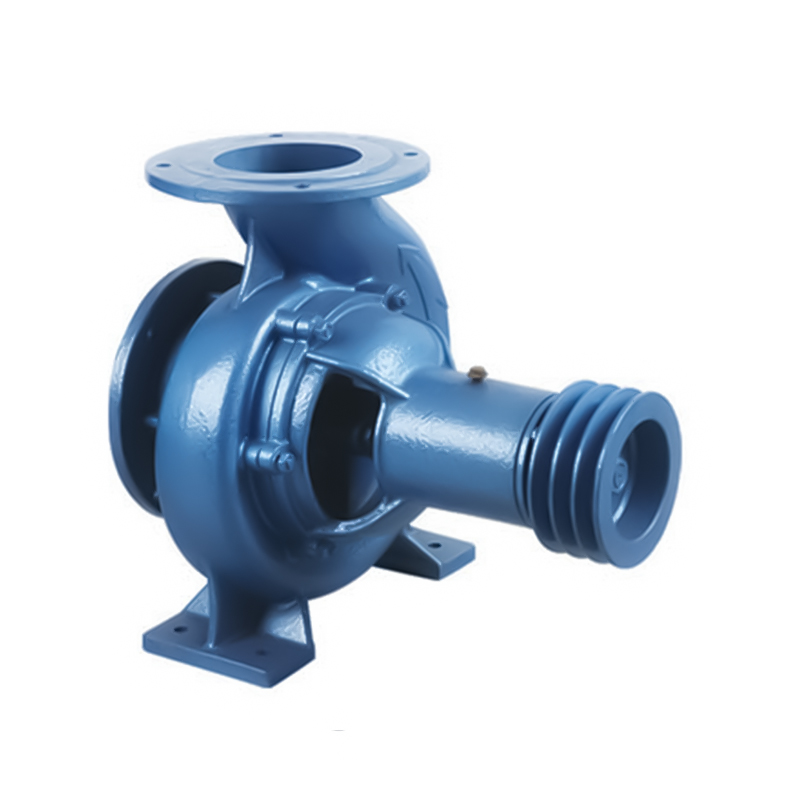
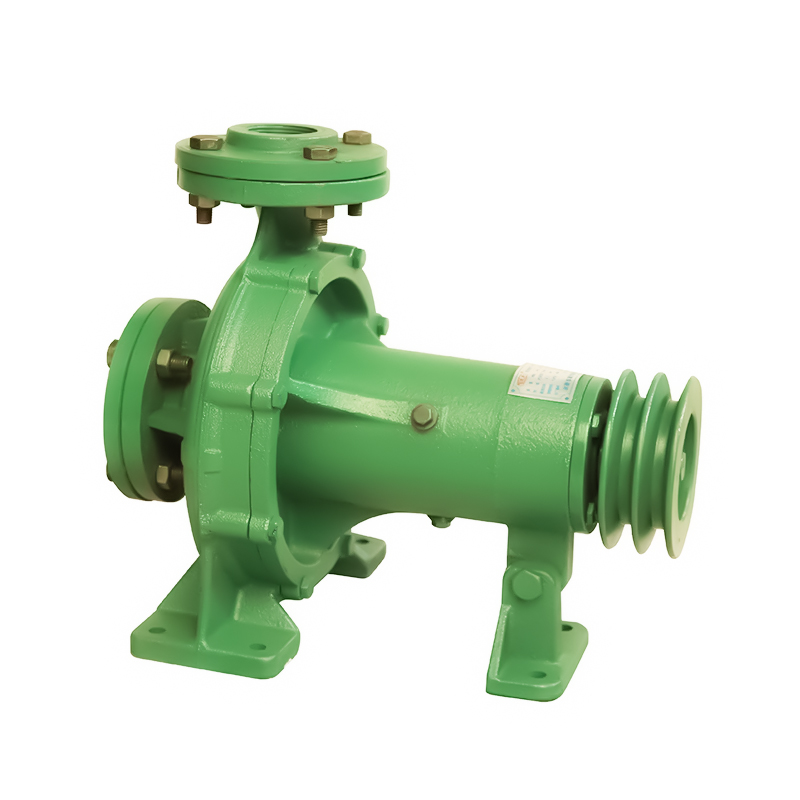
The internal hydraulic structure of a High Flow Centrifugal Pump plays a central role in determining how effectively mechanical energy is transformed into fluid movement. The design of the impeller, the shape of the flow passages, and the geometry of the casing all influence how smoothly fluid passes through the pump.
A well-balanced internal design reduces flow separation and minimizes turbulence inside the pump chamber. When fluid moves more smoothly through the system, less energy is lost to internal disturbances, allowing a higher proportion of mechanical input to be converted into effective flow.
The alignment between hydraulic load and mechanical drive components is also important. When the pump operates in a balanced range, the energy transfer process becomes more stable, reducing unnecessary fluctuations in power demand.
Operational Factors Influencing Energy Consumption
Energy behavior is also strongly influenced by how the pump is operated within a system. When operating conditions shift too far away from stable hydraulic regions, internal flow patterns can become irregular. This may increase resistance and additional energy loss.
Flow regulation strategies play an important role in maintaining balanced operation. Instead of relying on excessive mechanical restriction, adjusting system parameters in a controlled manner can help maintain smoother hydraulic behavior.
Another important factor is maintenance. Over time, deposits, wear, or misalignment can increase internal resistance. Regular inspection and maintenance help ensure that mechanical components continue to operate with reduced friction and stable alignment.
System-Level Energy Optimization
In many installations, pumps are part of larger systems that include piping networks, storage units, and distribution points. Energy efficiency is not only determined by the pump itself but also by how well the entire system is designed.
Pipe sizing, flow path design, and elevation differences all influence how much energy is required to maintain flow. When system resistance is reduced through proper design, overall energy demand can be lowered without changing the pump configuration.
In long-duration operations such as water circulation or cooling processes, even moderate improvements in system balance can result in more stable energy behavior over time.

 Email:
 Phone:+86-13605899207