


 English
 русский
 Español
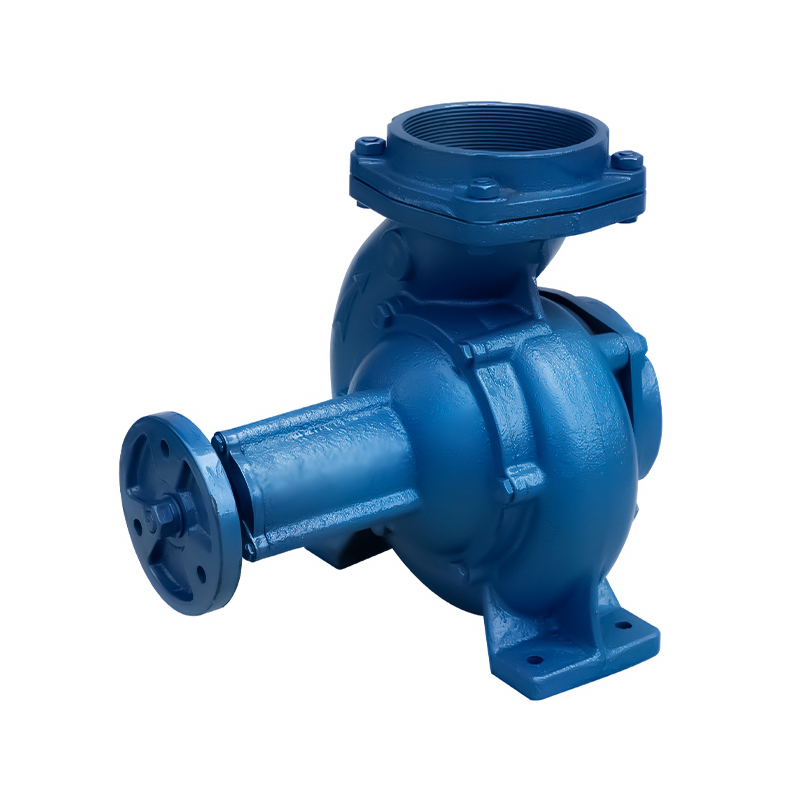
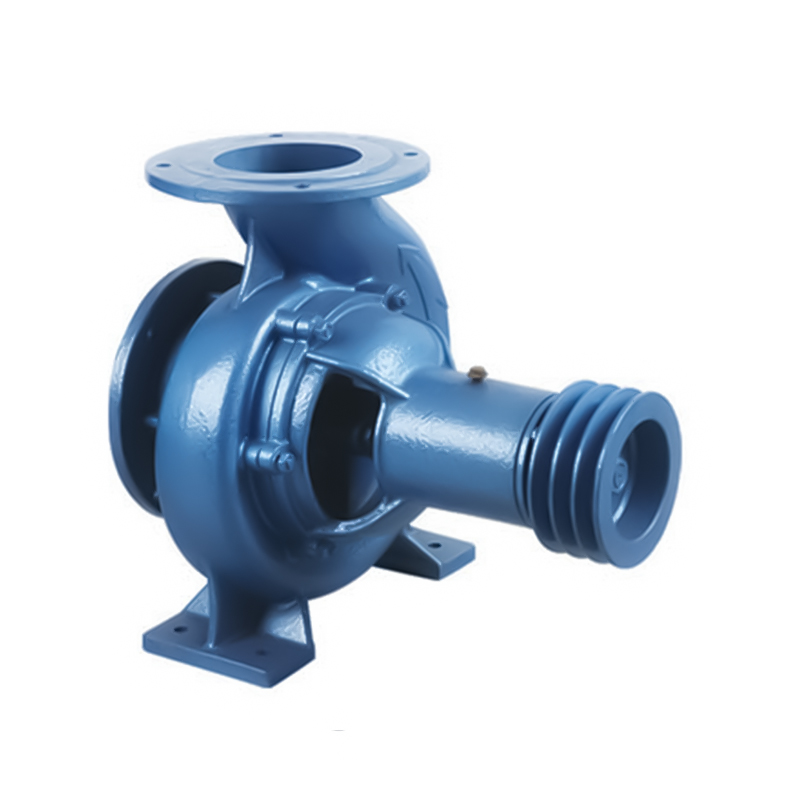
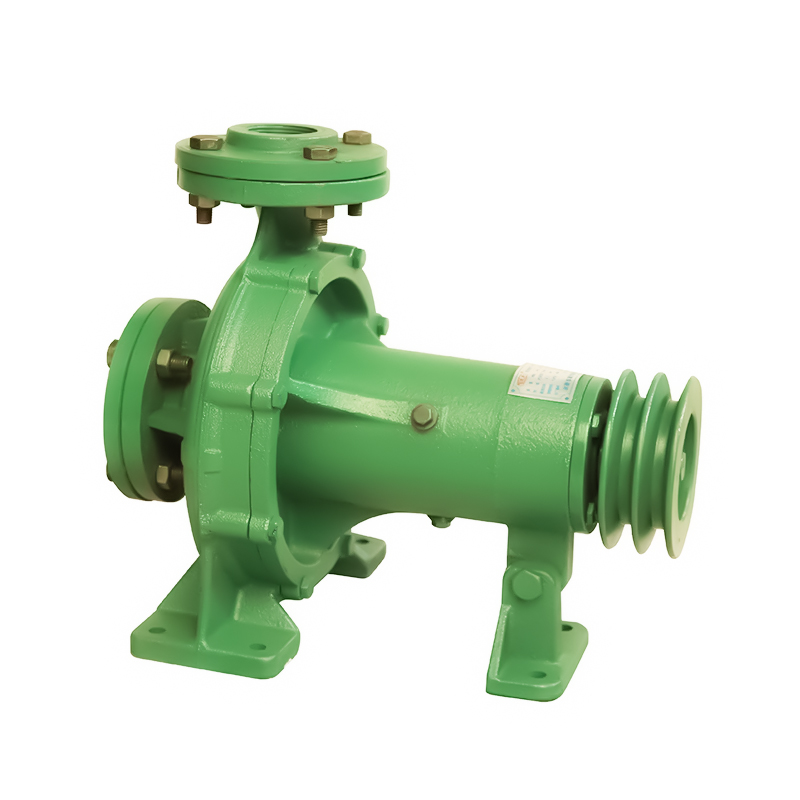
As water management and energy efficiency become growing priorities in agriculture, farmers are paying closer attention to irrigation equipment performance. An Agricultural Centrifugal Pump helps transfer water from rivers, reservoirs, wells, and storage tanks to irrigation systems. However, incorrect pump sizing, suction problems, and excessive energy consumption can reduce efficiency. Understanding these challenges helps agricultural buyers choose suitable pumping equipment for their operating conditions.
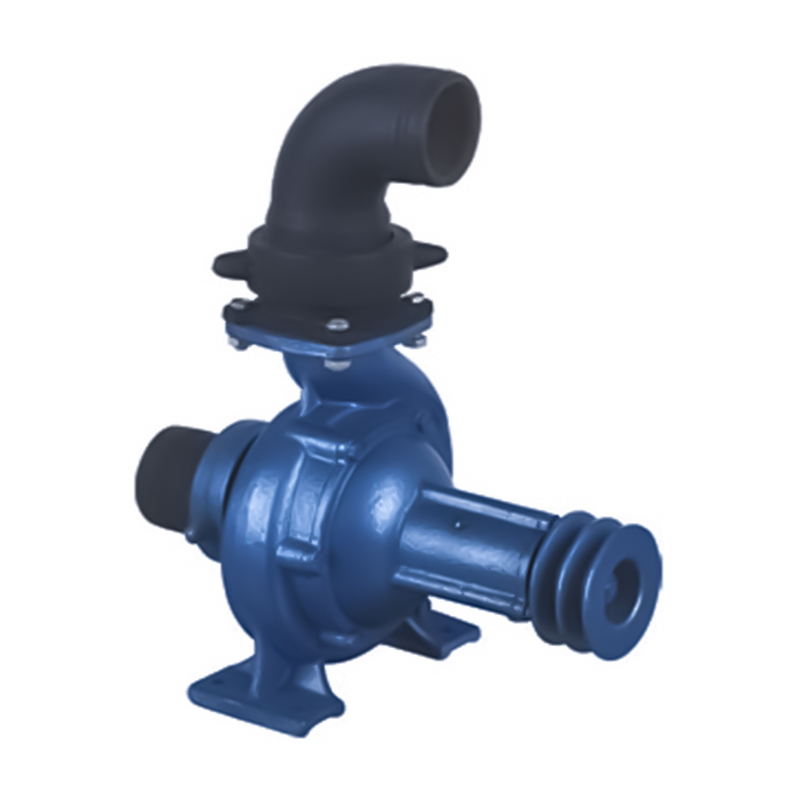
Match Pump Capacity to Irrigation Requirements
Selecting a pump based only on motor power can poor performance. Buyers should consider the required flow rate, total head, pipeline resistance, and delivery pressure. Drip irrigation and sprinkler systems, for example, have different pressure requirements.
Before purchasing an agricultural irrigation pump, evaluate the actual water demand and compare it with the manufacturer's performance curves. Correct sizing helps maintain stable water delivery without unnecessary energy consumption.
Control Energy Costs Through Proper Sizing
Pumps operating outside their suitable performance range may consume more energy and experience increased wear. Agricultural businesses should compare flow rate, head, and efficiency when evaluating different models.
For farms with changing irrigation demands, a variable frequency drive may help adjust pump speed when the motor and system are compatible. Buyers should also consider operating hours, electricity costs, and maintenance expenses rather than focusing exclusively on the initial purchase price.
Prevent Suction Problems and Unplanned Downtime
Air leakage, excessive suction lift, and restricted inlet pipes can cause unstable flow and cavitation. These issues may damage internal components and interrupt irrigation.
To reduce these risks, ensure that suction pipes are properly sealed and appropriately sized. Follow the manufacturer's priming instructions, and check that the water source can provide sufficient supply during operation. Where suction conditions are challenging, a self-priming centrifugal pump may be worth considering after technical evaluation.
Choose Materials According to Water Quality
Agricultural water may contain sand, silt, and other suspended particles that accelerate wear on impellers and seals. Some applications may also involve liquids requiring specific material compatibility.
When selecting a centrifugal water pump for farming, buyers should explain the water source, expected solids content, and any chemical exposure. Pump casing materials, impeller design, shaft seals, and inlet filtration can then be assessed according to the application.
As a manufacturer, we recommend confirming these conditions before finalizing a pump configuration to reduce avoidable maintenance issues.
Establish a Practical Maintenance Routine
Regular inspections help identify potential problems before they disrupt irrigation schedules. Operators should monitor:
- Flow and pressure: Look for unexpected performance changes.
- Noise and vibration: Investigate unusual operating conditions.
- Seals and connections: Check for leakage and loose fittings.
- Motor condition: Monitor temperature and electrical performance.
- Inlet filters: Remove accumulated debris when necessary.
Maintenance intervals should reflect operating hours, water quality, and manufacturer recommendations.
Evaluate Solar-Powered Irrigation Options
Solar-powered irrigation is attracting attention among farms seeking alternatives to conventional electricity or diesel. However, successful integration depends on sunlight availability, daily water demand, pumping head, and system compatibility.
Buyers should evaluate the complete solar pumping system, including panels, controllers, storage arrangements, and backup power where needed. Comparing installation costs and expected operating conditions helps determine whether solar-powered pumping is practical for a particular farm.
Select the Right Pump With Manufacturer Support
Before requesting a quotation, prepare the required flow rate, total head, water source, operating schedule, and available power supply. These details allow manufacturers to assess suitable models and explain relevant technical limitations.
Choosing an Agricultural Centrifugal Pump involves more than comparing prices or motor ratings. By considering hydraulic performance, energy efficiency, water quality, and maintenance requirements, agricultural buyers can select reliable equipment that supports consistent irrigation and long-term operational planning.

 Email:
 Phone:+86-13605899207