


 English
 русский
 Español
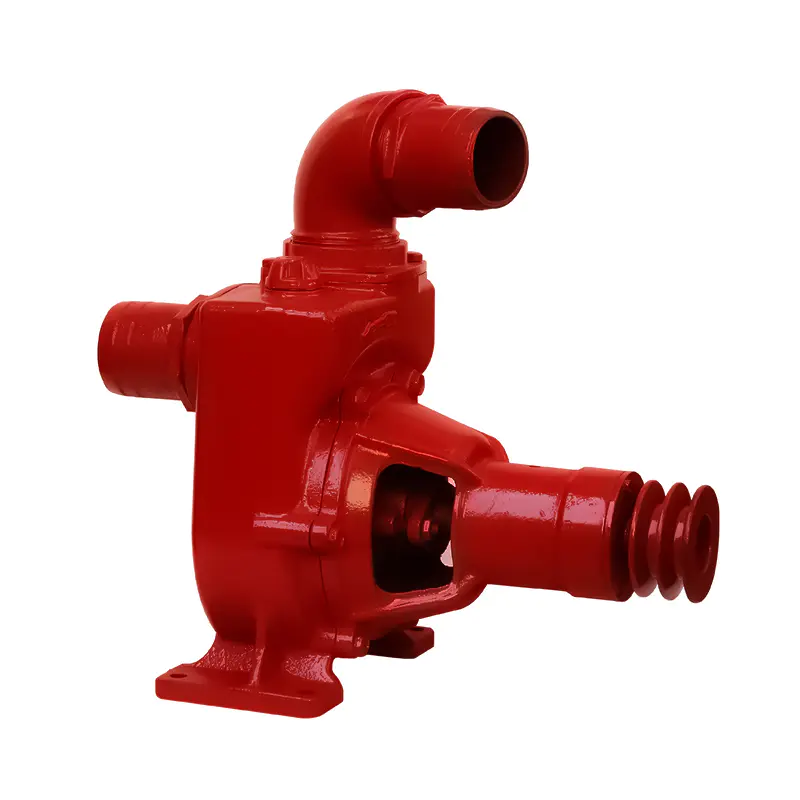
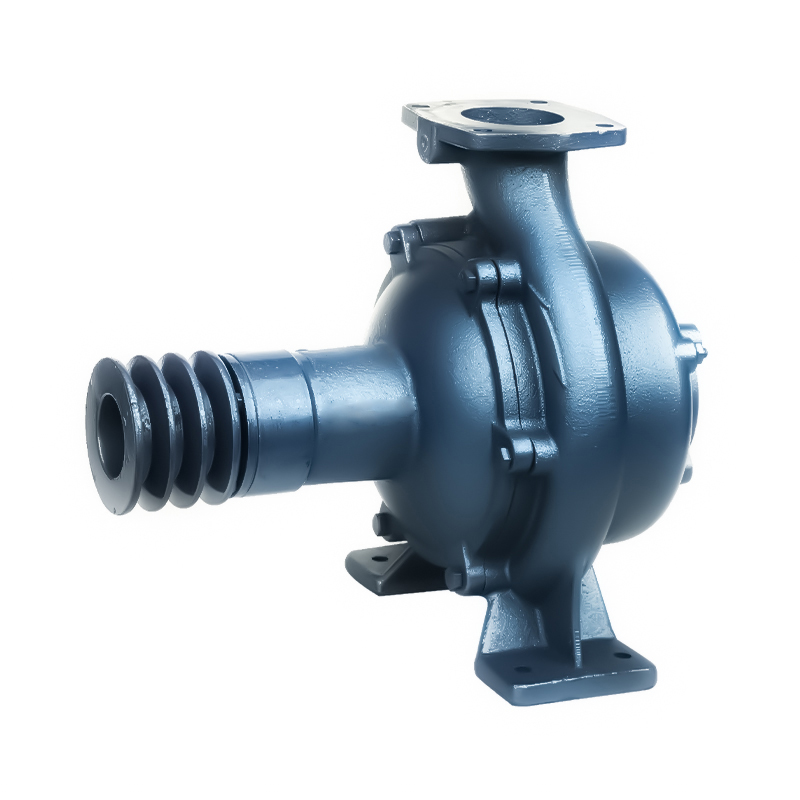
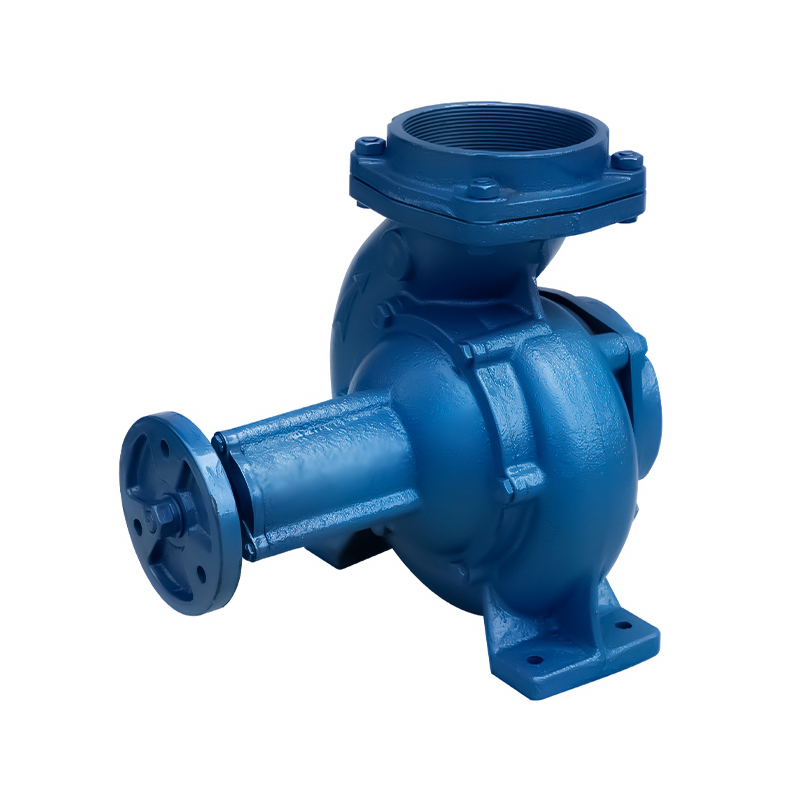
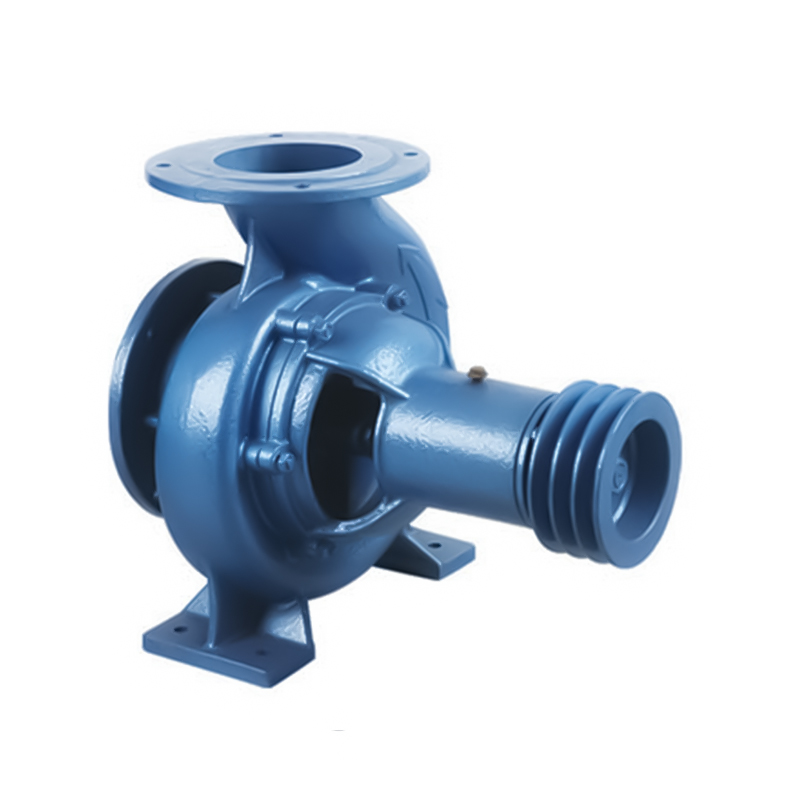
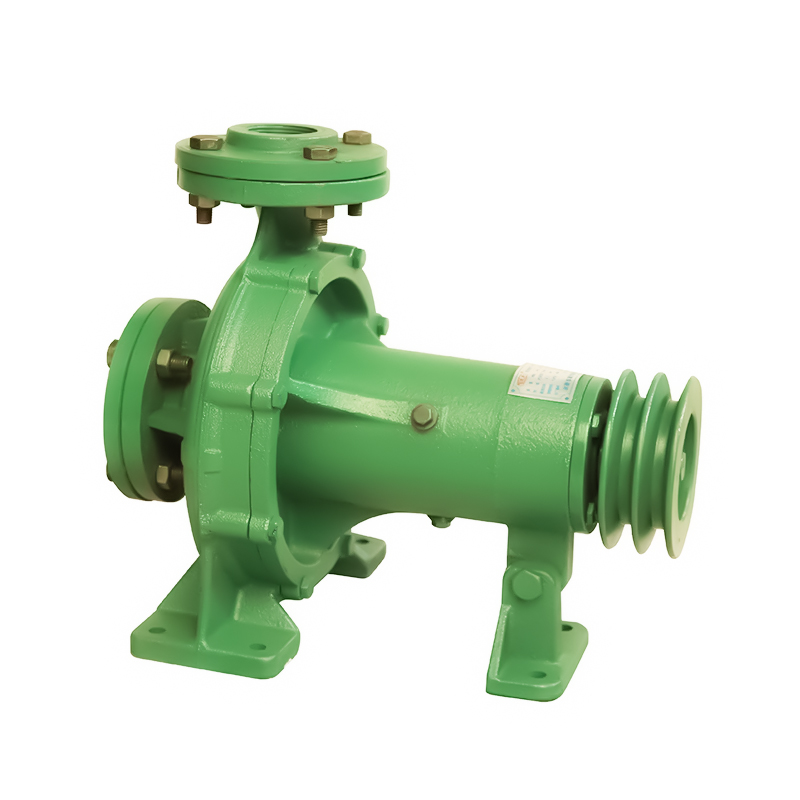
Water management is becoming a practical concern for farms dealing with changing rainfall, variable water sources, and pressure on operating costs. Recent agricultural discussions increasingly focus on irrigation efficiency, pump selection, automation, and reliable water delivery rather than simply moving more water. An Agricultural Self-Priming Pump can address one of the common operational issues in surface-water irrigation by helping reduce the need for repeated manual priming when suction conditions are suitable. For overseas buyers and irrigation engineers, the key question is how to match pump design with the actual water source and field system.
Handling Unstable Water Sources
Farm irrigation may draw water from ponds, canals, reservoirs, storage tanks, or other surface sources. Water levels can change during operation, creating challenges for conventional surface pumping arrangements.
A self-priming design can be useful where the pump needs to restart after interruptions, provided the installation and suction conditions are properly configured. This makes pump selection an important part of irrigation system planning rather than an isolated equipment decision.
Matching Pump Performance to Irrigation Demand
One common purchasing mistake is selecting a pump based only on the desired water volume. Engineers also need to consider total head, pipe resistance, elevation changes, irrigation equipment, and the required operating pressure.
Pump performance changes with its operating point, so the selected model should correspond with the actual hydraulic conditions of the farm system.
A practical selection process can include:
- Identifying the water source and suction arrangement.
- Calculating required flow and total head.
- Checking pipe diameter and system resistance.
- Confirming compatibility with sprinklers, drip lines, or other irrigation equipment.
Supporting More Efficient Water Management
Water efficiency is increasingly connected with pump selection. Modern irrigation systems aim to deliver water according to crop and field requirements instead of relying on unnecessary continuous pumping.
Research and industry discussions are also examining sensor-based irrigation and data-supported scheduling, making compatibility between pumping equipment and irrigation controls increasingly relevant.
For manufacturers, this means an agricultural pump should be considered as part of the complete water delivery system, including pipelines, valves, filters, irrigation equipment, and control components.
Reducing Restart and Maintenance Problems
For farms with intermittent irrigation schedules, repeated manual priming can become an operational inconvenience. Self-priming technology is designed to simplify this part of pump operation when the system is correctly installed.
At the same time, buyers should examine access to wear components, sealing arrangements, intake protection, and routine inspection requirements. Easier maintenance can help agricultural operators keep irrigation equipment available during busy farming periods.
Choosing Materials for Farm Conditions
Agricultural pumping environments are not always clean. Surface water may contain suspended particles, organic matter, or other contaminants. Material selection and pump construction should therefore reflect the intended water source and application.
Engineers should also consider corrosion exposure, temperature, installation environment, and the characteristics of the pumped liquid before confirming a pump specification.
Integrating Pumps with Modern Irrigation Systems
Smart agriculture is bringing greater attention to monitoring and automated irrigation decisions. Current research is exploring combinations of soil-moisture information, forecasting, and irrigation control to support more responsive water management.
For equipment suppliers, this creates opportunities to provide pumps that can work with control panels, sensors, variable-speed systems, or other farm automation equipment where the application requires them.
Manufacturer Support Starts with Application Matching
As a manufacturer, we recommend evaluating the complete operating environment before selecting an Agricultural Self-Priming Pump. Water source, suction conditions, flow demand, total head, irrigation method, installation layout, and maintenance requirements should all be considered together.
This application-based approach helps overseas agricultural buyers choose suitable pumping equipment while giving engineers a clearer foundation for system design, long-term operation, and future irrigation upgrades.

 Email:
 Phone:+86-13605899207