


 English
 русский
 Español
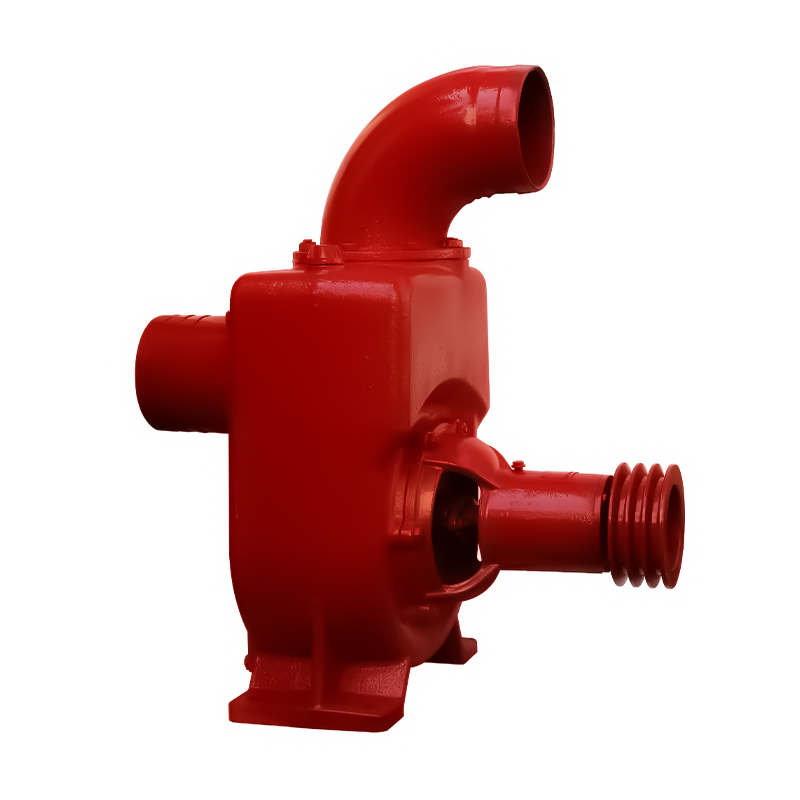
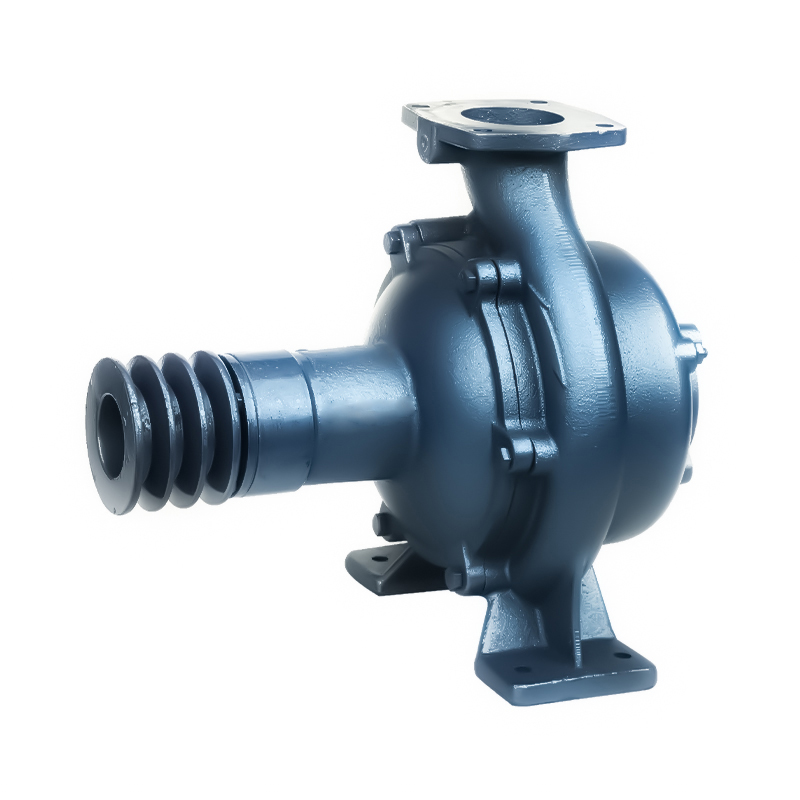
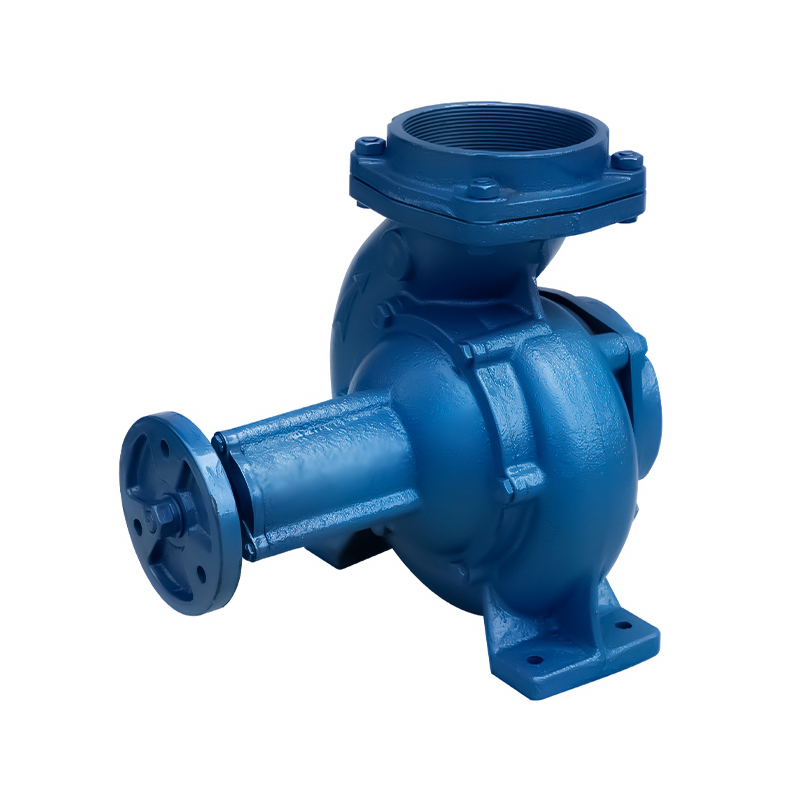
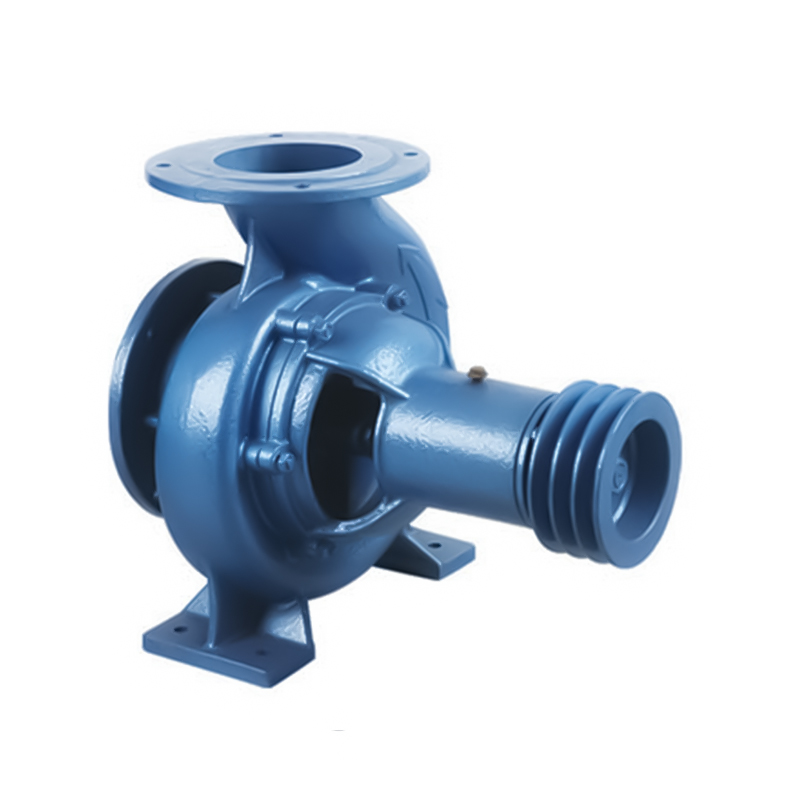
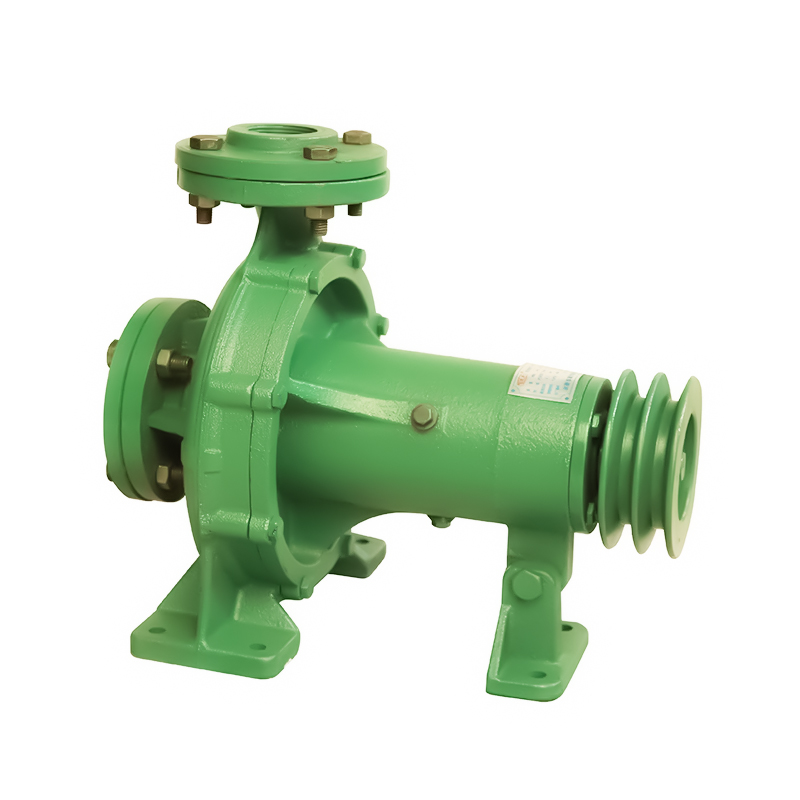
An Agricultural Self-Priming Pump is increasingly being considered for irrigation systems where water sources, suction conditions, and field layouts can change during daily operation. With drought pressure and variable water availability affecting agricultural regions, buyers are paying closer attention to pumping reliability, installation flexibility, energy use, and maintenance requirements. For manufacturers and agricultural equipment suppliers, the right pump is no longer selected by motor power alone. The complete operating environment needs to be considered.
Changing Irrigation Requirements on Modern Farms
Agricultural irrigation systems may draw water from reservoirs, rivers, ponds, canals, storage tanks, or other surface sources. These conditions can make pump installation and water intake less straightforward than a fixed water-supply system. A self-priming design can be useful in applications where air may enter the suction line or where the pump needs to restart after periods of shutdown. This makes it relevant to farms, irrigation contractors, and water transfer projects.
Matching Flow and Head to the Actual System
One common purchasing mistake is selecting a pump according to pipe diameter or motor size without checking the complete hydraulic requirement. Engineers should evaluate:
- Required flow rate for the irrigation zone
- Total dynamic head
- Suction distance and lift
- Pipe length and friction losses
- Sprinkler or drip system pressure requirements
- Water source characteristics
For an Agricultural Self-Priming Pump, these factors directly affect whether the selected model can deliver stable water flow under actual field conditions.
Self-Priming Performance and Installation Flexibility
Self-priming capability can reduce the operational inconvenience associated with repeated manual priming. This can be particularly useful for farms using surface water sources or temporary irrigation arrangements. However, buyers should still confirm the manufacturer's specified suction conditions, priming procedure, inlet configuration, and installation requirements instead of assuming that every self-priming pump operates under the same conditions.
Water Quality Should Influence Pump Configuration
Agricultural water is not always equivalent to clean municipal water. Surface sources may contain suspended particles, organic matter, or sediment. These conditions can influence impeller selection, casing materials, seals, and maintenance intervals. Before purchasing a farm irrigation self-priming pump, buyers should provide accurate information about the water source and operating environment so the manufacturer can recommend a suitable configuration.
Energy Use Is Part of the Procurement Decision
Irrigation energy consumption has become an important consideration as farms seek more controlled water management and operating costs. Recent research examining irrigation energy use across different fuel sources highlights the role of electric, diesel, and emerging solar-powered pumping systems in agricultural production.
Rather than focusing only on rated motor power, procurement teams should compare the pump's operating point with the required flow and head. Correct sizing can help avoid selecting equipment that does not match the actual irrigation duty.
Maintenance and Long-Term Serviceability
For commercial farms and irrigation contractors, maintenance requirements can directly affect equipment availability during critical watering periods. Buyers should therefore review access to wearing parts, mechanical seals, bearings, motors, and other service components before placing a bulk order. A manufacturer that can provide technical documentation and replacement parts can also make equipment management easier for overseas distributors and agricultural engineering companies.
Building a Practical Pumping Solution
The current direction of agricultural irrigation is moving toward better water control rather than simply increasing pumping capacity. Precision irrigation and automated water-management technologies are gaining attention as farms respond to water scarcity and changing climate conditions.
As a pump manufacturer, we recommend evaluating each project from the water source to the final irrigation outlet. Selecting the correct Agricultural Self-Priming Pump based on flow, head, suction conditions, water quality, power supply, and maintenance requirements can give buyers a more practical foundation for reliable agricultural water transfer and irrigation projects.

 Email:
 Phone:+86-13605899207