


 English
 русский
 Español
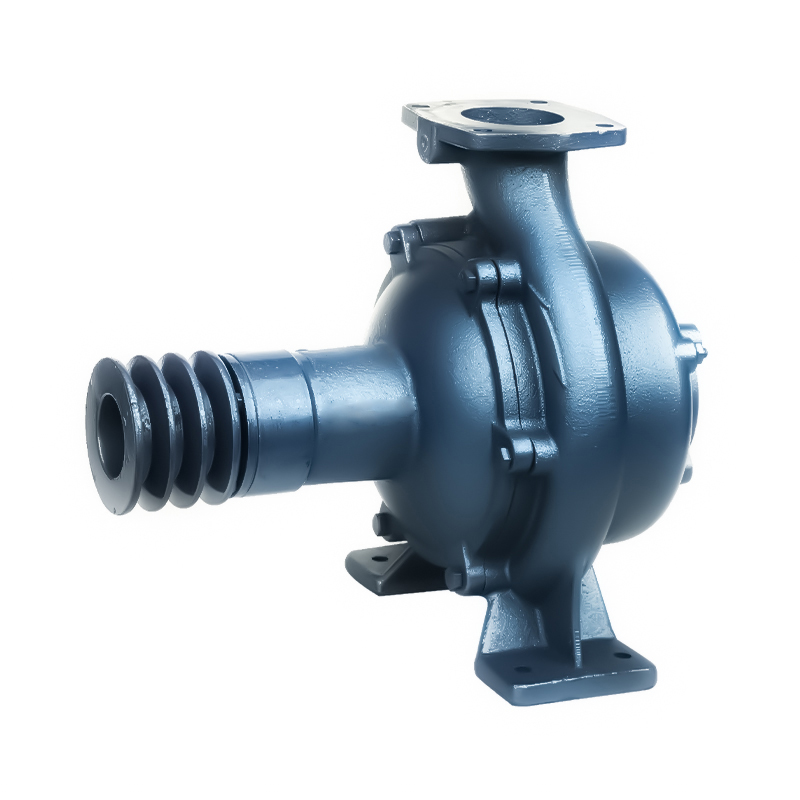
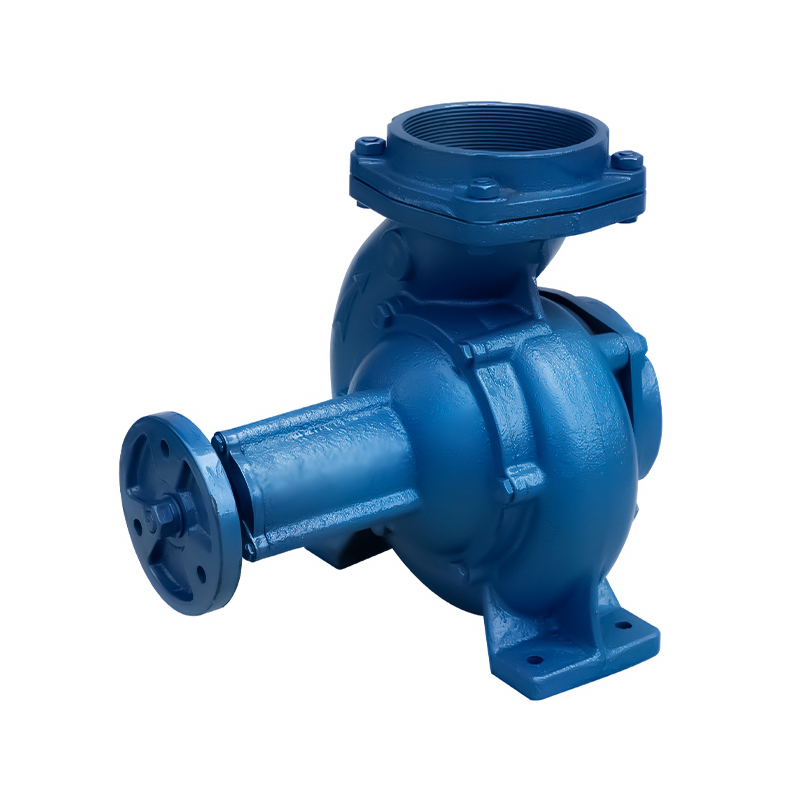
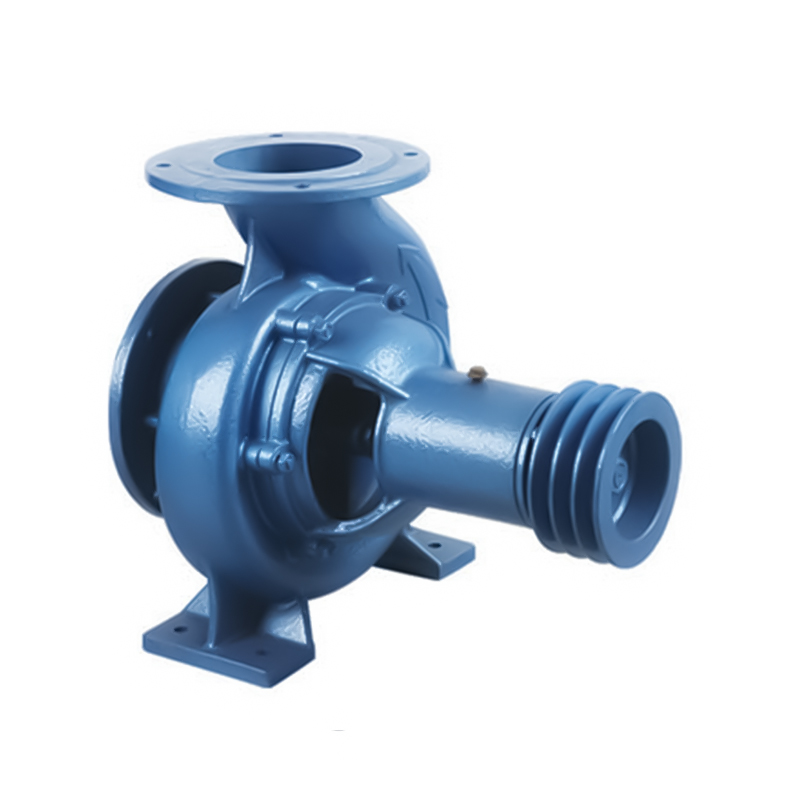
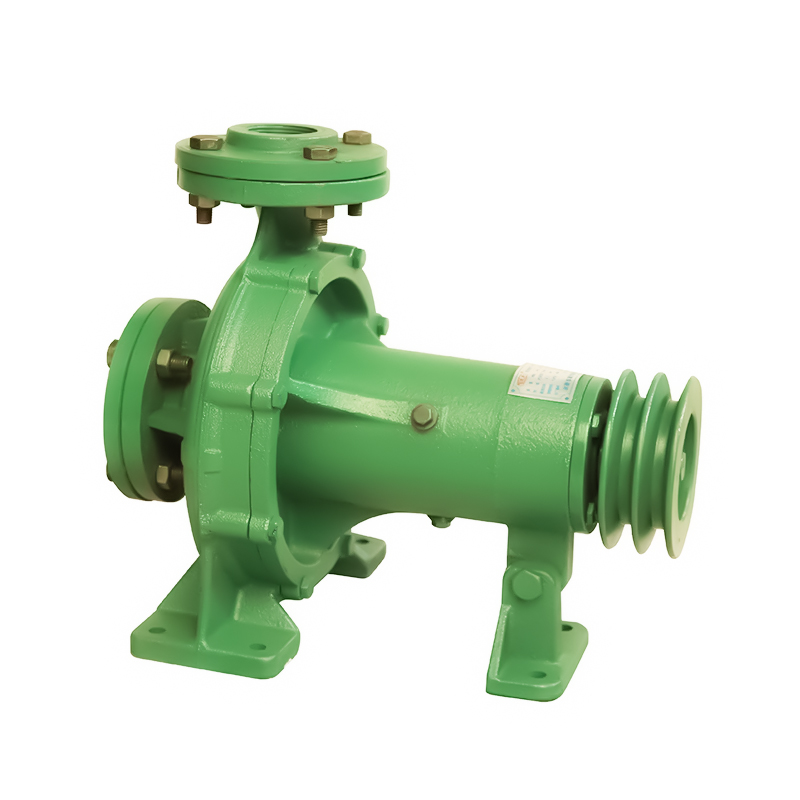
Efficient water management has become an important part of daily agricultural operations, especially for growers who depend on drip irrigation to maintain consistent plant growth. From small greenhouse projects to larger farming areas, users are paying more attention to equipment stability, energy use, and easier maintenance. A properly designed Drip Irrigation Centrifugal Pump helps deliver steady water flow and supports the smooth operation of irrigation networks. For buyers looking for a suitable centrifugal pump for drip irrigation systems, selecting equipment based on real application conditions is becoming a key factor in building reliable irrigation solutions.
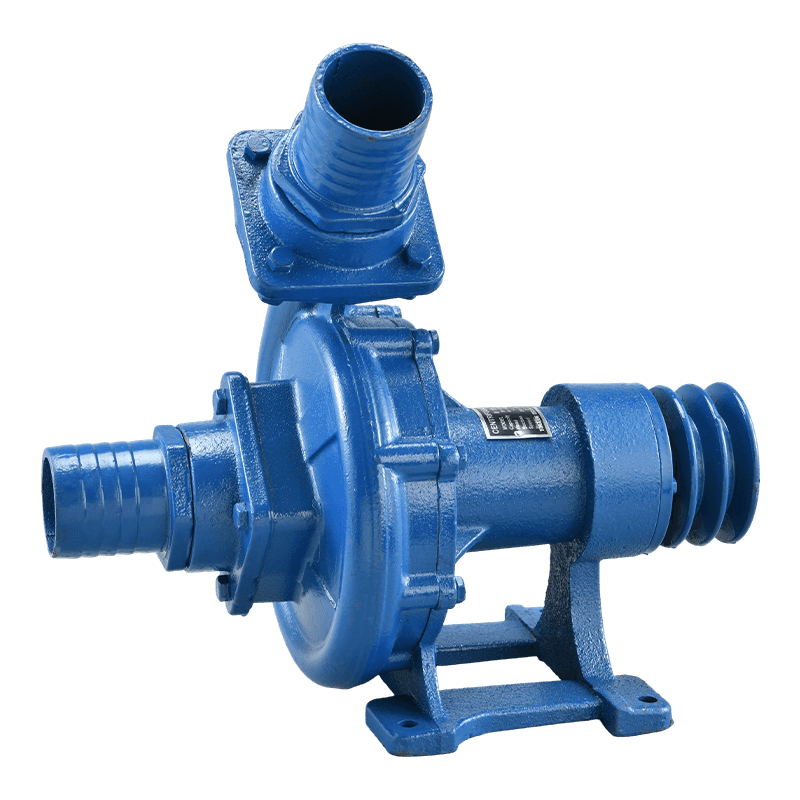
Understanding the Role of Pumps in Drip Irrigation Systems
Drip irrigation systems require accurate water distribution through pipelines and emitters. Unlike general irrigation methods, drip systems depend on controlled pressure and continuous flow to deliver water effectively to each growing area.
The pump is responsible for moving water from the source to the irrigation network while maintaining suitable operating conditions. If pump performance does not match the system design, users may experience problems such as uneven watering, unstable pressure, or increased maintenance requirements.
For farms, nurseries, and greenhouse operators, selecting a pump according to water source conditions, pipeline layout, and irrigation requirements helps create a more balanced and reliable system.
Solving Common Water Pressure Challenges
Pressure management is one of the main concerns among irrigation professionals. In practical applications, pressure fluctuations may influence drip emitter performance and create differences in water distribution.
A reliable irrigation centrifugal pump helps maintain smoother water delivery during different operating periods. Engineers usually evaluate several factors before selecting equipment:
- Required flow rate for the irrigation area.
- Distance between the water source and irrigation points.
- Height differences within the installation area.
- Compatibility with filters and control equipment.
Considering these details allows users to avoid problems caused by unsuitable pump selection and improves overall irrigation system performance.
Choosing Materials for Different Water Conditions
Water quality varies greatly between different locations and agricultural environments. Some irrigation projects use clean water sources, while others may contain particles, minerals, or other elements that require additional protection.
Pump material selection and system configuration should match actual working conditions. Proper filtration, regular cleaning, and suitable installation methods can reduce wear on internal components and support stable operation over time.
For international buyers, understanding local water conditions before purchasing irrigation equipment helps ensure the selected solution matches practical application requirements.
Supporting Flexible Applications in Agriculture and Landscaping
Modern drip irrigation systems are used in various applications, including vegetable production, fruit orchards, greenhouse cultivation, and commercial landscaping. Each project has different expectations for water delivery, operating schedules, and system control.
A well-matched Drip Irrigation Centrifugal Pump provides flexibility for different project layouts. Greenhouse operators may focus on stable pressure for precise watering, while outdoor agricultural projects may require equipment that supports larger irrigation zones.
The right pump configuration allows users to adjust irrigation systems according to seasonal changes, planting plans, and future expansion requirements.
Maintenance Practices for Long-Term Operation
Regular maintenance plays an important role in keeping irrigation systems operating smoothly. Many common issues can be reduced through routine inspections and timely adjustments.
Useful maintenance practices include:
- Checking filters regularly to prevent blockage.
- Inspecting pipe connections and pump seals.
- Monitoring unusual vibration or operating noise.
- Cleaning components according to working conditions.
These practices help reduce unexpected interruptions and maintain more predictable irrigation schedules.
Meeting New Expectations from Global Irrigation Buyers
As water efficiency becomes an increasing concern worldwide, agricultural buyers are looking for equipment that combines practical performance with manageable operating costs. They are not only comparing product specifications but also evaluating reliability, compatibility, and maintenance requirements.
A properly selected centrifugal pump for drip irrigation systems supports stable water delivery across different applications. With suitable planning, installation, and operation, a Drip Irrigation Centrifugal Pump becomes an important component for farms, greenhouses, and landscaping projects that require consistent irrigation performance.

 Email:
 Phone:+86-13605899207