


 English
 русский
 Español
Selecting an appropriate structural design for a high-flow centrifugal pump is an important step in engineering systems where fluid transport requirements vary in flow volume, operating duration, and hydraulic stability. Among commonly used configurations, single-stage and double-suction designs are frequently compared due to their different flow handling mechanisms and mechanical behavior under continuous operation.
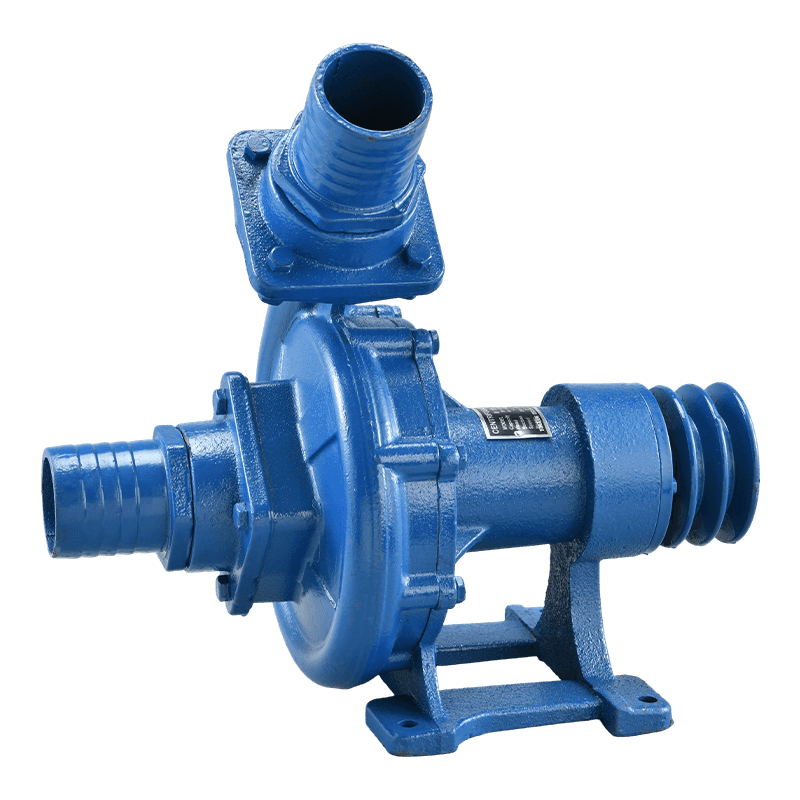
Overview of Single-Stage Pump Structure
A single-stage centrifugal pump operates using one impeller that performs both the energy transfer and pressure generation functions. Fluid enters the pump through a single suction inlet, is accelerated by the rotating impeller, and then is discharged through the volute or diffuser section.
This structure is widely applied in systems where flow requirements are moderate and operating conditions remain relatively stable over time. The simpler internal arrangement allows for straightforward assembly and easier inspection of internal components.
Because the hydraulic energy conversion takes place in a single impeller stage, the system design tends to be compact. This makes it suitable for installations where space constraints or simplified maintenance procedures are important considerations.
However, in higher flow demand scenarios, the hydraulic load is concentrated on a single impeller entry point, which can influence flow distribution and mechanical balance depending on operating conditions.
Double Suction Pump Structural Characteristics
A double-suction centrifugal pump is designed with a dual inlet structure that allows fluid to enter the impeller from both sides simultaneously. This symmetrical flow arrangement distributes hydraulic load more evenly across the impeller.
By balancing suction forces, the axial load on the rotating shaft is reduced. This contributes to smoother mechanical behavior during continuous operation, especially in systems where flow demand remains high for extended periods.
The dual inlet design also helps stabilize internal flow patterns, reducing uneven hydraulic stress within the pump casing. This can improve flow consistency under varying system conditions.
Hydraulic Behavior Differences
The key difference between the two configurations lies in how fluid is introduced into the impeller. A single-stage pump relies on one directional intake path, while a double-suction pump divides incoming flow between two symmetrical channels.
This structural difference leads to variations in hydraulic load distribution. Double suction designs tend to provide more balanced flow entry conditions, which can contribute to smoother internal pressure behavior.
Single-stage pumps, while structurally simpler, concentrate hydraulic forces on one inlet area. This makes them suitable for systems where flow demand does not fluctuate significantly.
Mechanical Stability and Operation
Mechanical load distribution is another important distinction. In double-suction pumps, axial forces generated during operation are partially balanced due to symmetrical intake, reducing stress on bearings and shaft components.
Single-stage pumps, on the other hand, experience more directional hydraulic force, which is managed through structural design and system alignment.
Over extended operation periods, these differences may influence vibration behavior, alignment stability, and overall mechanical response depending on system configuration.
Maintenance and System Considerations
Maintenance requirements vary based on structural complexity. Single-stage pumps generally offer simpler access to internal components, which can simplify inspection and routine servicing procedures.
Double suction pumps, due to their more complex flow paths and dual inlet structure, may require more detailed inspection processes. However, their balanced hydraulic operation can contribute to stable long-term behavior in suitable applications.
Selection Criteria in Practical Applications
Choosing between these two designs depends on system requirements such as flow demand, operational continuity, and installation conditions. Single-stage pumps are often used in systems with moderate flow requirements and simpler layouts.
Double suction pumps are more commonly applied in systems where higher flow capacity and balanced hydraulic performance are required under continuous operation.

 Email:
 Phone:+86-13605899207