


 English
 русский
 Español
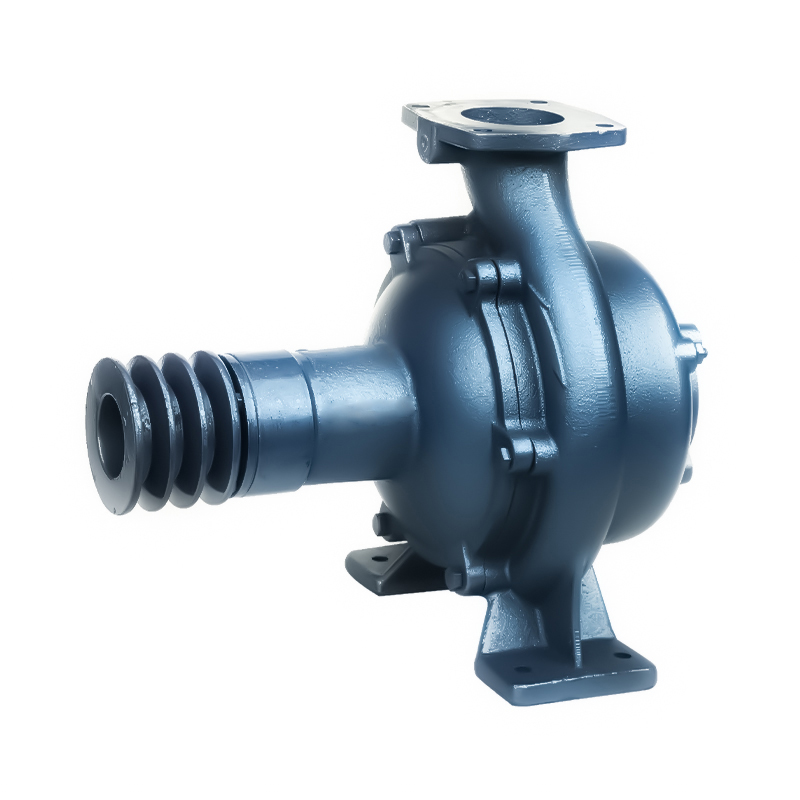
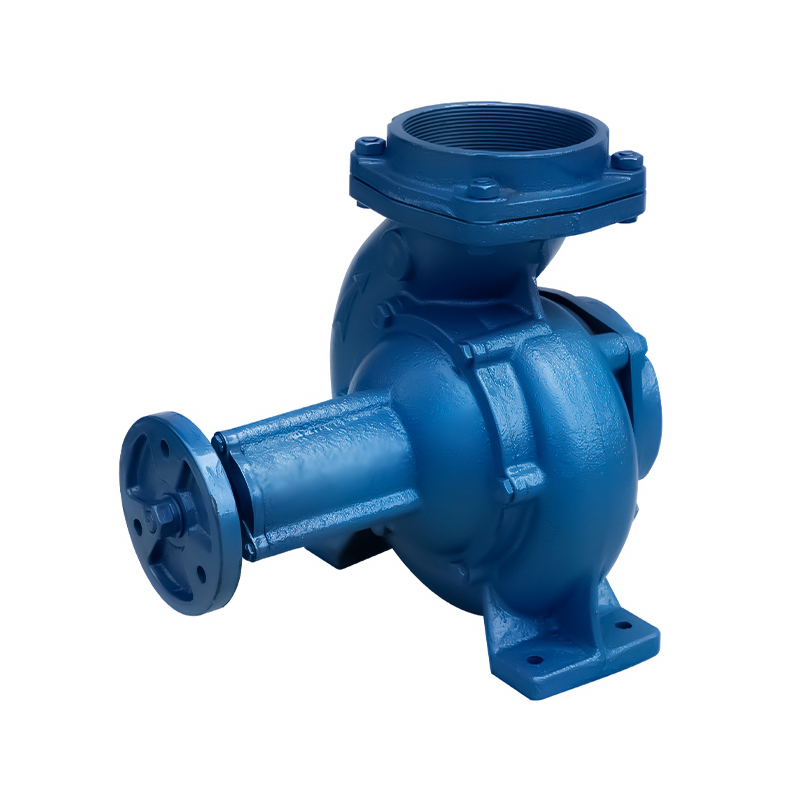
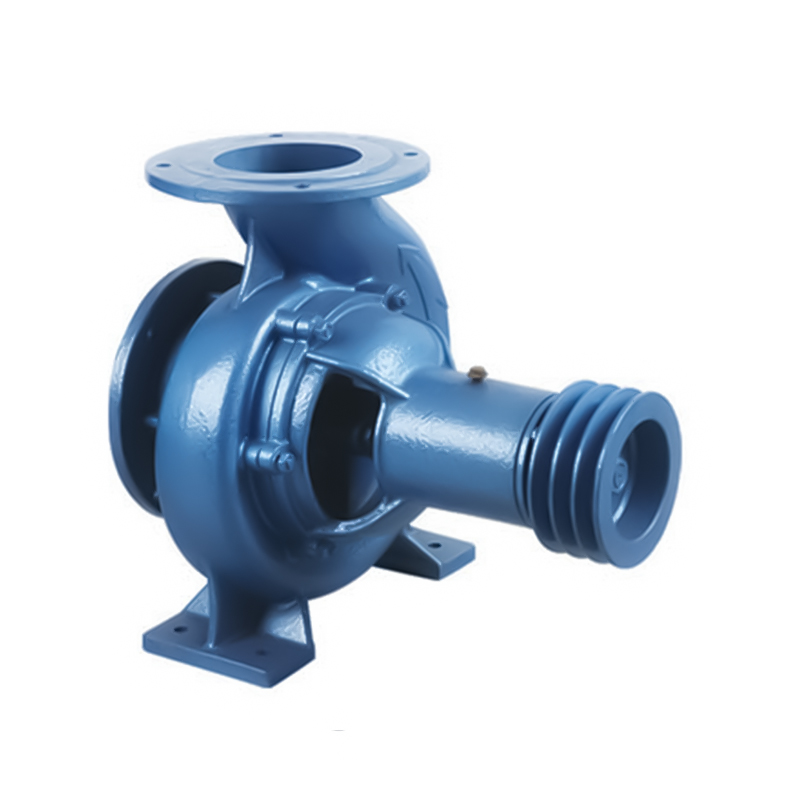
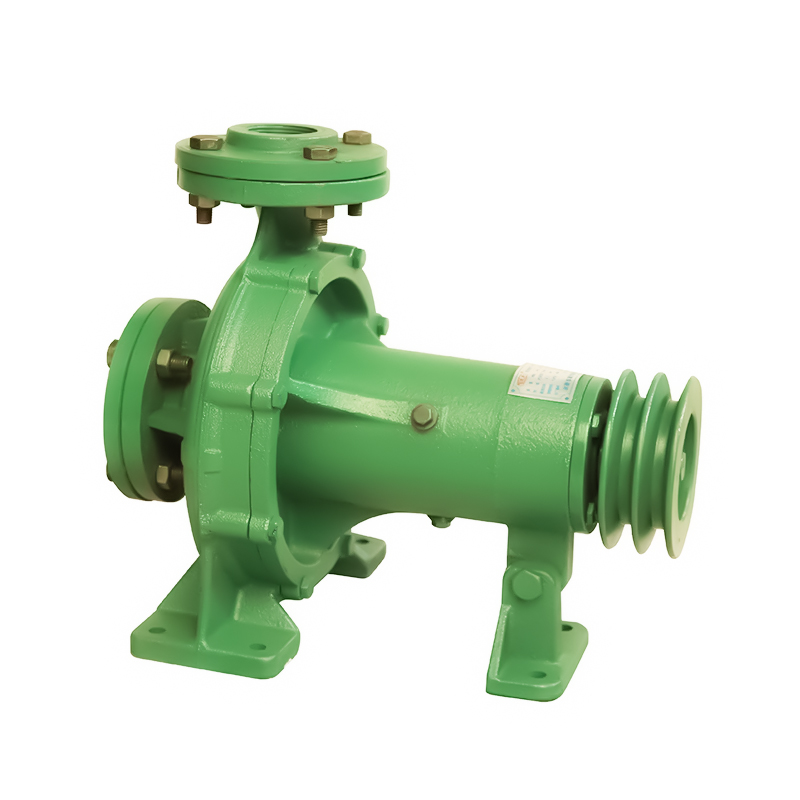
Drip Irrigation Centrifugal Pump is widely applied in agricultural irrigation systems because it provides steady water movement suitable for drip lines and emitters. Many users install a pump and expect it to work continuously without issues, yet daily operation, installation habits, and maintenance routines all influence system performance. Understanding essential pump tips allows users to avoid common mistakes, support stable water delivery, and extend the working life of irrigation equipment.
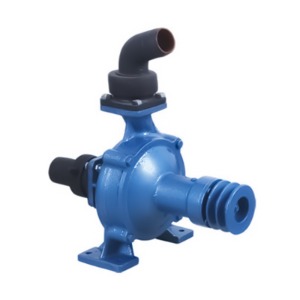
Basic Working Principles of Centrifugal Pumps
A centrifugal pump moves water through the rotational force created by an impeller inside the pump casing. As the impeller rotates, water is pushed outward and directed into the irrigation pipeline. This process creates a consistent flow that suits drip irrigation systems, which rely on even water distribution rather than high-pressure output. Knowing this basic principle helps users understand why air leaks, blockages, or improper priming can affect performance.
Proper Installation Practices
Installation plays a major role in pump operation. The pump should be installed on a firm and level surface to prevent vibration during use. The suction pipe must be airtight, as even small air leaks can disrupt water flow. Before starting the system, the pump casing should be filled with water to allow proper operation. Pipe connections should be aligned carefully to avoid unnecessary stress on fittings and seals.
Daily Operation Tips
During operation, users should observe pressure stability and water flow consistency. Sudden changes may indicate blockage or air entering the system. Pumps should not be operated without water, as dry running can cause internal damage. Monitoring sound levels is also helpful, since unusual noise may signal mechanical issues or water flow problems. These daily checks do not require advanced tools but can prevent long-term issues.
Importance of Filtration and Water Quality
Drip irrigation systems are sensitive to debris, sand, and organic matter. Filters should be installed upstream of the pump to protect internal components. Clean water reduces wear on the impeller and prevents clogging of emitters. Regular filter cleaning supports steady flow and avoids unnecessary strain on the pump. In areas with variable water quality, consistent inspection becomes even more important.
Routine Maintenance Practices
Maintenance should be performed on a regular schedule. Checking seals, bearings, and internal components helps identify wear before it affects operation. Connections should be tightened when necessary, and visible leaks should be addressed promptly. Cleaning the pump exterior and surrounding area also prevents dust and debris from entering the system. Seasonal inspection is especially helpful before long irrigation periods.
Common Problems and Practical Solutions
Users may encounter pressure fluctuations, reduced flow, or vibration. These issues often result from air leaks, clogged filters, or misaligned piping. Addressing the cause early avoids system interruption. Learning how to recognize symptoms allows users to correct issues without extensive downtime. Clear troubleshooting steps improve system reliability and reduce operational stress.
Building Reliable Irrigation Habits
Using a Drip Irrigation Centrifugal Pump effectively depends on understanding installation, operation, and maintenance fundamentals. Simple habits such as monitoring flow, cleaning filters, and maintaining proper connections help ensure stable irrigation. These practical tips support consistent water delivery and help users maintain dependable irrigation systems over time.

 Email:
 Phone:+86-13605899207