


 English
 русский
 Español
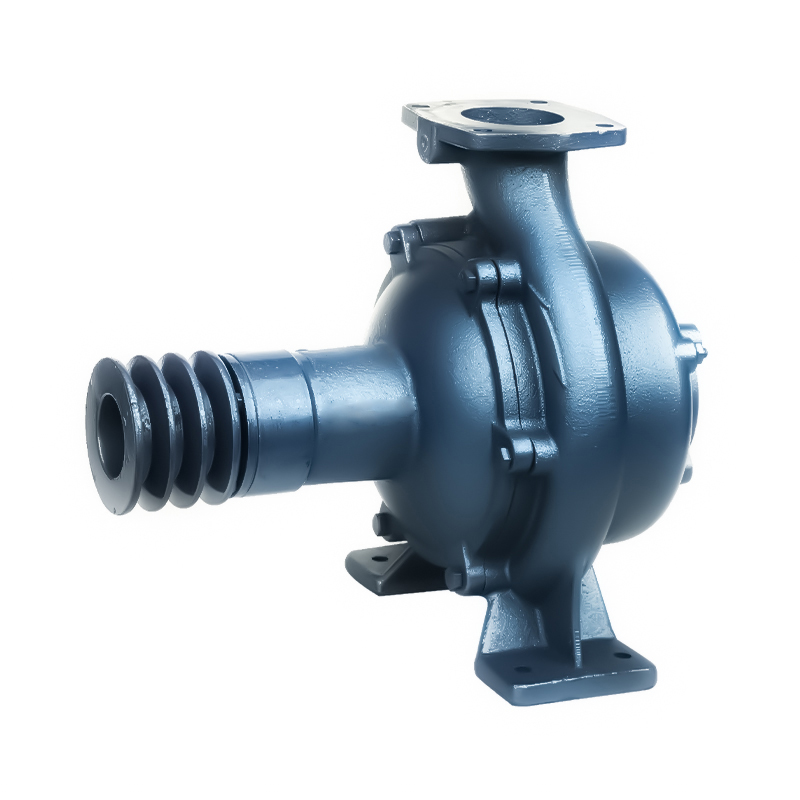
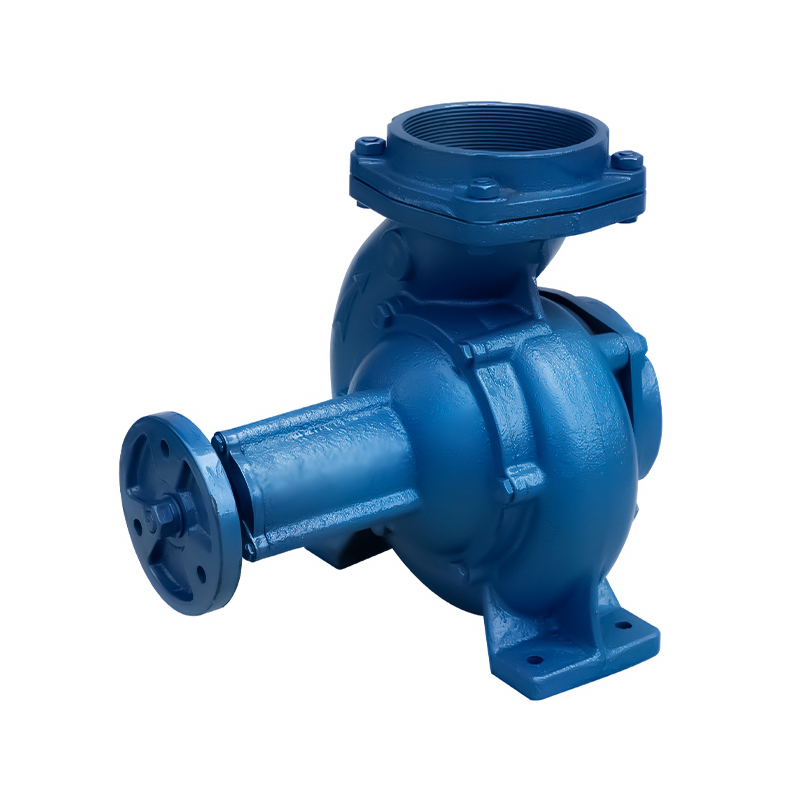
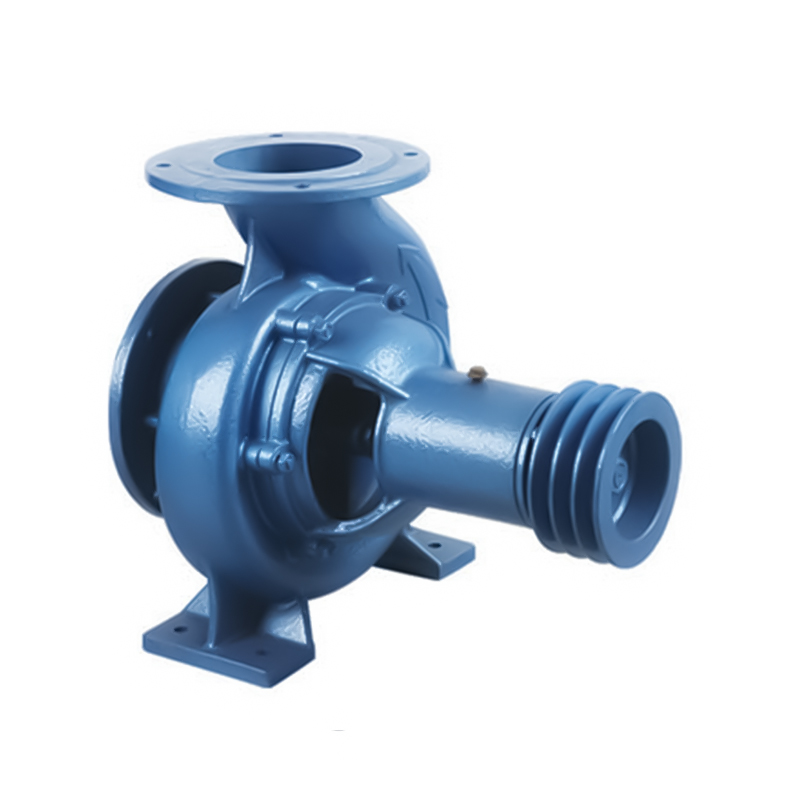
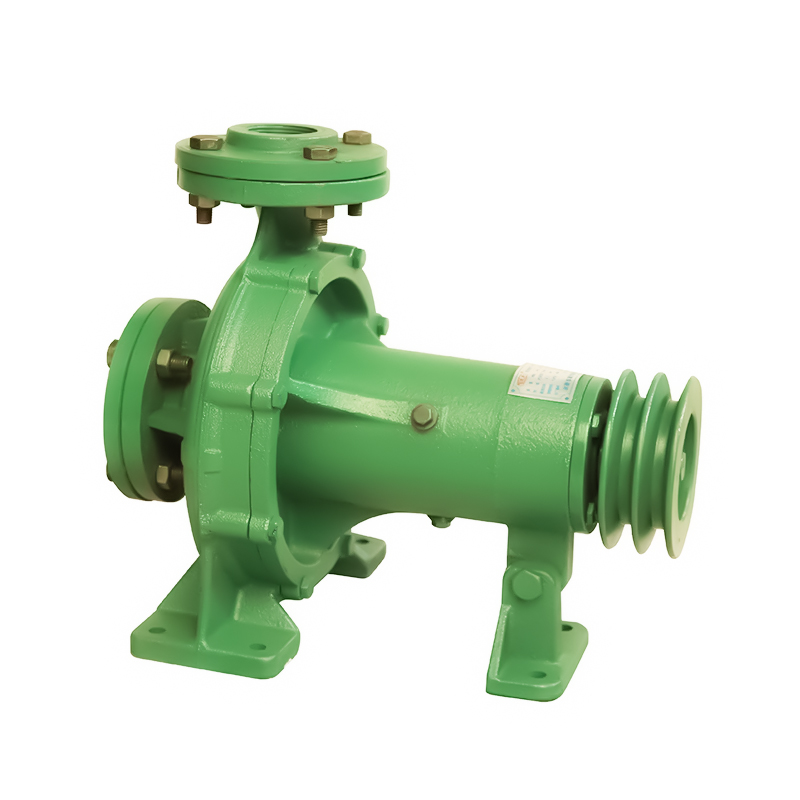
Drip Irrigation Centrifugal Pump plays a vital role in modern farming practices, allowing water to be delivered directly to plant roots with precisely controlled pressure and steady flow. Selecting the right pump ensures that irrigation systems operate at peak efficiency, significantly reducing water waste and effectively improving crop growth and yield. The choice of pump directly impacts both the energy consumption of the entire system and the consistency of water distribution across different areas of the fields. Understanding the essential factors when selecting a pump can help farmers maintain a reliable, long-lasting irrigation system and enhance overall farming outcomes.
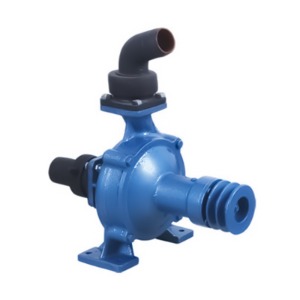
Understanding Drip Irrigation Requirements
Before choosing a pump, it is important to thoroughly evaluate the specific requirements of the drip irrigation system. The total flow rate needed by the system, typically measured in gallons per minute (GPM) or liters per hour (LPH), must closely match the pump's rated capacity to avoid inefficiencies. Similarly, the system’s pressure requirement is crucial because too low a pressure may cause uneven water distribution across the field, while too high a pressure may damage delicate emitters, tubing, or other system components. Additionally, the layout of the fields, the type of crops being grown, and local soil characteristics all play key roles in influencing the pump selection process.
Factors to Consider When Selecting a Pump
Several key factors must be carefully considered when selecting a centrifugal pump for drip irrigation. The head, which refers to the vertical distance the pump can effectively push water, should align perfectly with the system’s specific needs, including any elevation changes in the field. The pump material, such as corrosion-resistant stainless steel or durable, cost-effective plastic, directly affects its resistance to rust and corrosion and its overall service life. Energy efficiency is another critical factor, as pumps that require less electrical power can substantially reduce long-term operational costs for farmers. Furthermore, compatibility with existing filtration systems, valves, and pressure regulators ensures smooth, seamless operation without the need for costly additional modifications.
Comparing Pump Types
While centrifugal pumps are the widely used option for drip irrigation due to their reliability and efficiency, understanding alternative pump types helps make an informed decision. Submersible pumps, for example, may be more suitable for deep water sources such as wells, as they operate underwater and can handle greater depths. Jet pumps, on the other hand, can offer higher pressures for specific applications where increased pressure is necessary. Each pump type has its own unique advantages and limitations, depending on factors like field conditions, water source depth, and specific system requirements. Choosing the pump type that aligns with the specific irrigation system ensures long-term reliability and reduces potential maintenance issues.
Practical Tips for Efficient Pump Use
To maintain efficiency, pumps should be installed strictly according to the manufacturer’s instructions and the overall system design. Priming the pump properly before initial operation prevents dry running, a common issue that can quickly damage the pump’s impeller and other internal components. Regular maintenance, including routine cleaning of filters and checking for debris in the water supply, is essential for extending the pump’s service life. Additionally, avoiding abrasive materials in the water source and continuously monitoring pressure levels during operation also help prevent unnecessary wear and tear, ensuring the pump operates efficiently for years.
Maximize Agricultural Efficiency
Selecting the correct Drip Irrigation Centrifugal Pump is a critical step in maintaining an efficient, sustainable drip irrigation system. Properly matched pumps help conserve valuable water resources, reduce energy use and costs, and provide consistent, uniform irrigation to support healthy crop growth. By taking the time to understand the system’s specific requirements, carefully considering pump characteristics, and implementing regular, careful maintenance practices, farmers can significantly improve the performance of their irrigation systems while supporting environmentally friendly and sustainable farming practices.

 Email:
 Phone:+86-13605899207