


 English
 русский
 Español

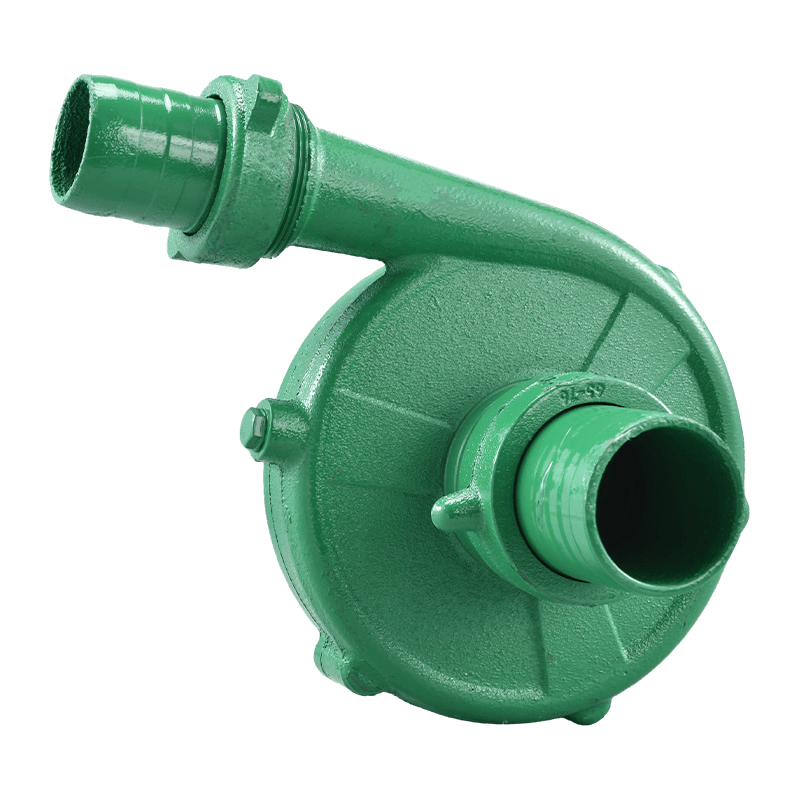
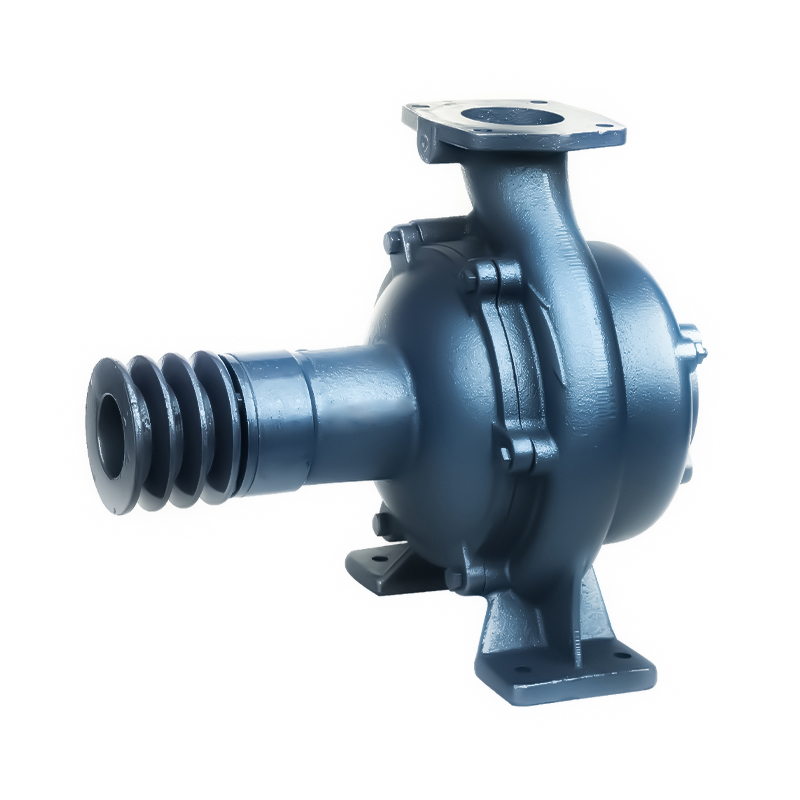
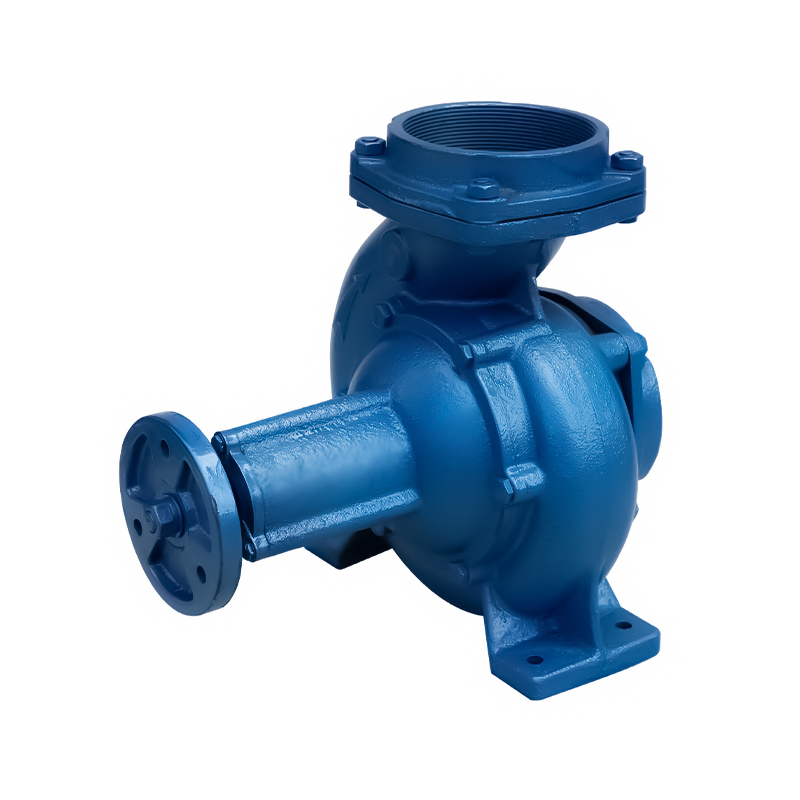
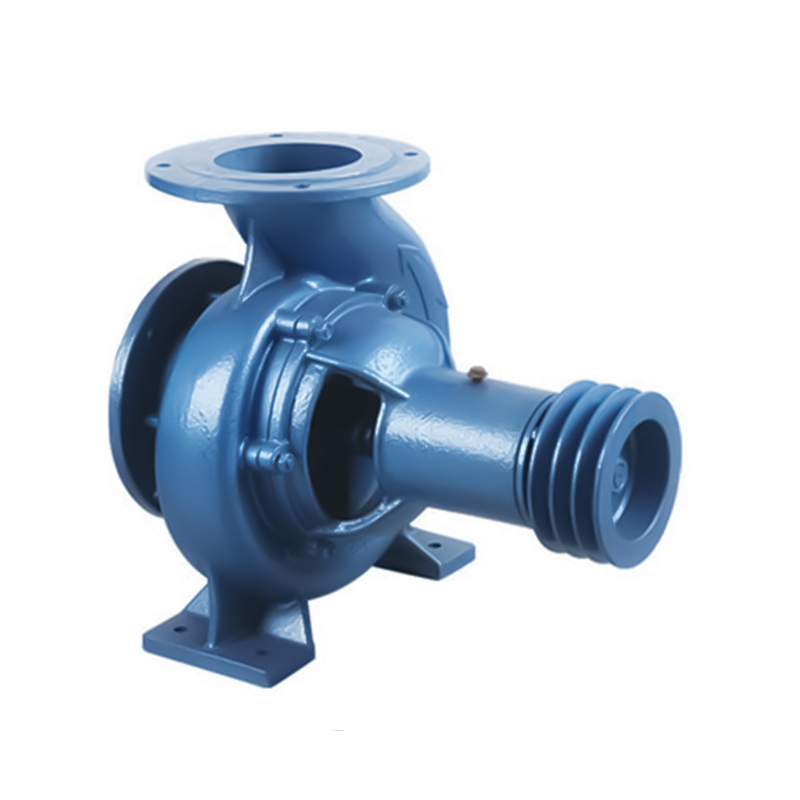
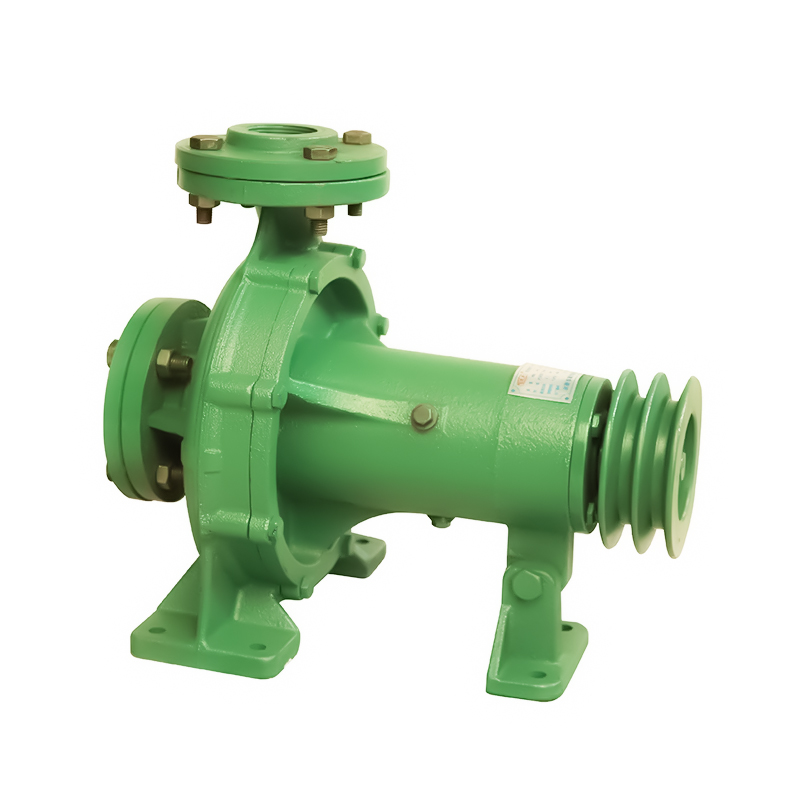
Drip irrigation is widely used in greenhouse production and open-field farming, but these two applications do not always require the same pumping arrangement. Greenhouses often have compact pipe networks and scheduled irrigation cycles, while open fields may involve longer pipelines, larger planting areas, and changing elevation conditions. Choosing a suitable Drip Irrigation Centrifugal Pump requires an understanding of these differences. For agricultural equipment distributors, irrigation contractors, and farm operators, matching pump specifications with the actual application can help avoid installation and operating issues.
Greenhouse Irrigation Requires Flexible Water Delivery
Greenhouse crops such as tomatoes, cucumbers, peppers, and strawberries often require carefully managed irrigation schedules. Water demand can vary according to crop growth stages, planting density, and growing conditions.
A centrifugal pump used in greenhouse drip irrigation should match the required flow rate and operating head of the installed pipe network. If several growing sections are irrigated separately, the pump selection should account for the demand of each operating zone.
Buyers should also consider available installation space, pipe connections, and compatibility with automated irrigation controls.
Open-Field Systems Need to Consider Pipeline Distance
Open-field irrigation projects can cover large planting areas, sometimes with considerable distances between the water source and the crops.
Long pipelines create additional friction losses, while changes in ground elevation can affect the total head requirement. These conditions should be included in the pump selection process.
For agricultural contractors, preparing a field layout before purchasing equipment is a practical way to identify the required flow rate, pipeline dimensions, and pumping conditions.
Filtration Is Important in Both Applications
Although greenhouse and open-field irrigation systems have different layouts, both depend on clean water to protect drip emitters.
Fertilizer particles, sand, algae, and organic debris may enter the irrigation network depending on the water source and fertigation process.
A suitable filtration arrangement can help reduce emitter blockage. Buyers should evaluate filter type, filtration capacity, and cleaning requirements rather than treating filtration as an optional accessory.
Match Pump Materials to the Operating Environment
Pump materials can influence equipment service requirements, especially when the irrigation water contains minerals or other substances that may affect internal components.
When comparing agricultural centrifugal pumps, buyers should review the casing, impeller, shaft, and seal materials. The selection should reflect water characteristics, operating conditions, and the manufacturer's technical recommendations.
For projects using treated water or fertilizer solutions, chemical compatibility should be checked before confirming the pump configuration.
Automation Can Improve Irrigation Management
Modern agricultural projects increasingly use timers, control panels, sensors, and automated valves to manage irrigation schedules.
A pump selected for an automated system should be compatible with the required control arrangement. Where water demand changes between irrigation zones, suitable motor control equipment may help regulate pump operation.
However, automation cannot compensate for incorrect pump sizing. The hydraulic requirements should be established before selecting the control system.
What Buyers Should Prepare Before Requesting a Quotation
To help manufacturers recommend suitable equipment, overseas buyers should provide several basic project details:
- Application type: greenhouse or open-field irrigation.
- Total planting area and irrigation zone layout.
- Required flow rate and operating head.
- Water source and water quality.
- Available voltage and frequency.
- Installation and connection requirements.
These details make technical communication more efficient and help prevent specification mismatches during procurement.
Choose Equipment According to the Farming Application
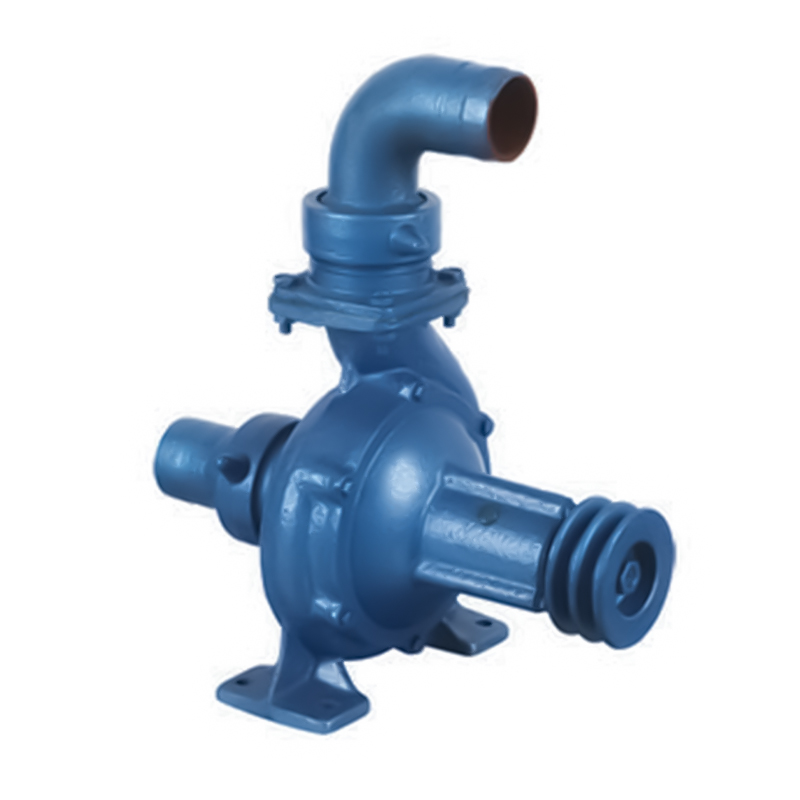
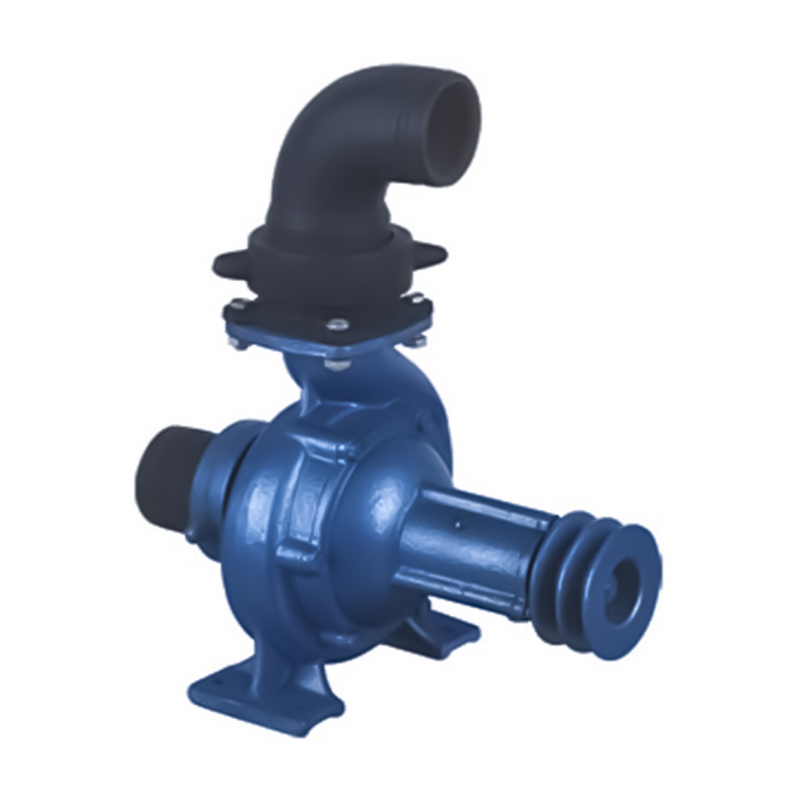
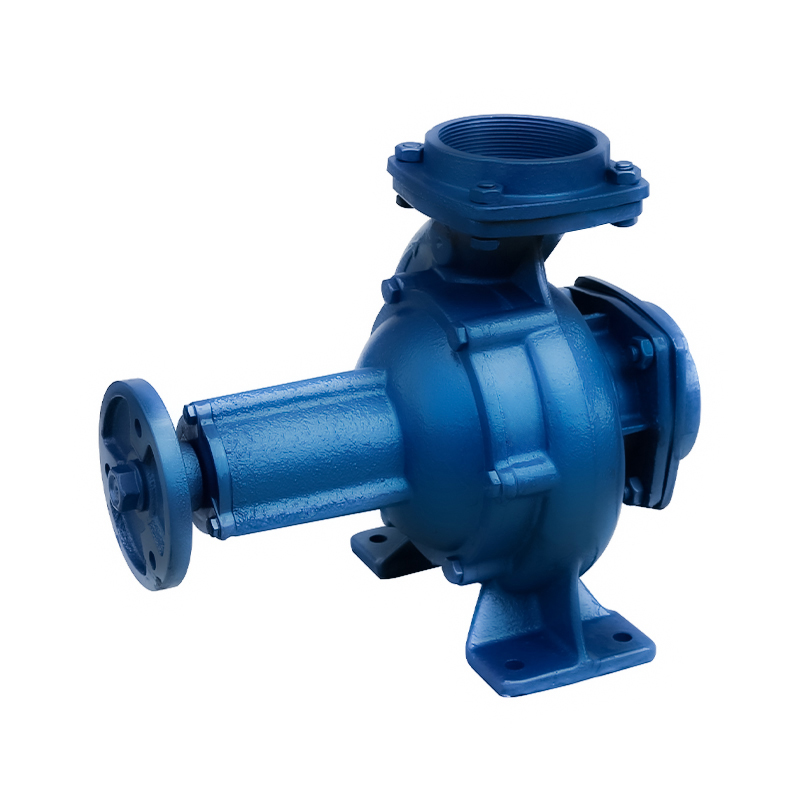
Greenhouse and open-field irrigation systems may use similar pumping technology, but their operating requirements can be quite different. A suitable Drip Irrigation Centrifugal Pump should be selected according to pipeline design, irrigation schedules, water conditions, and the intended agricultural application.
As a manufacturer, we encourage distributors, agricultural suppliers, and project contractors to evaluate these factors before placing bulk orders. Clear technical requirements make it easier to identify suitable pump configurations and provide reliable equipment support for different farming projects.

 Email:
 Phone:+86-13605899207