


 English
 русский
 Español

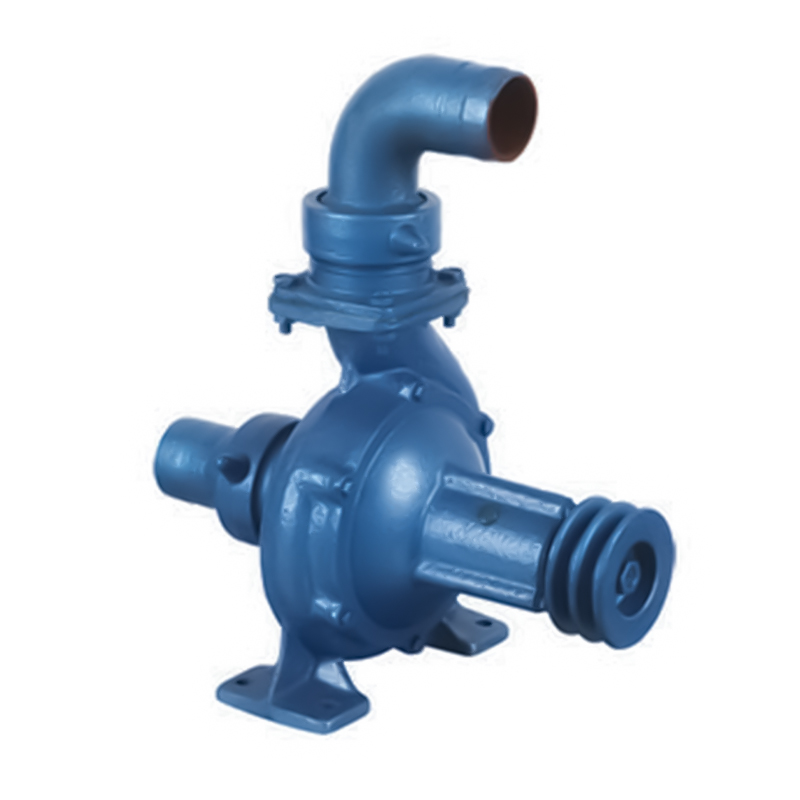
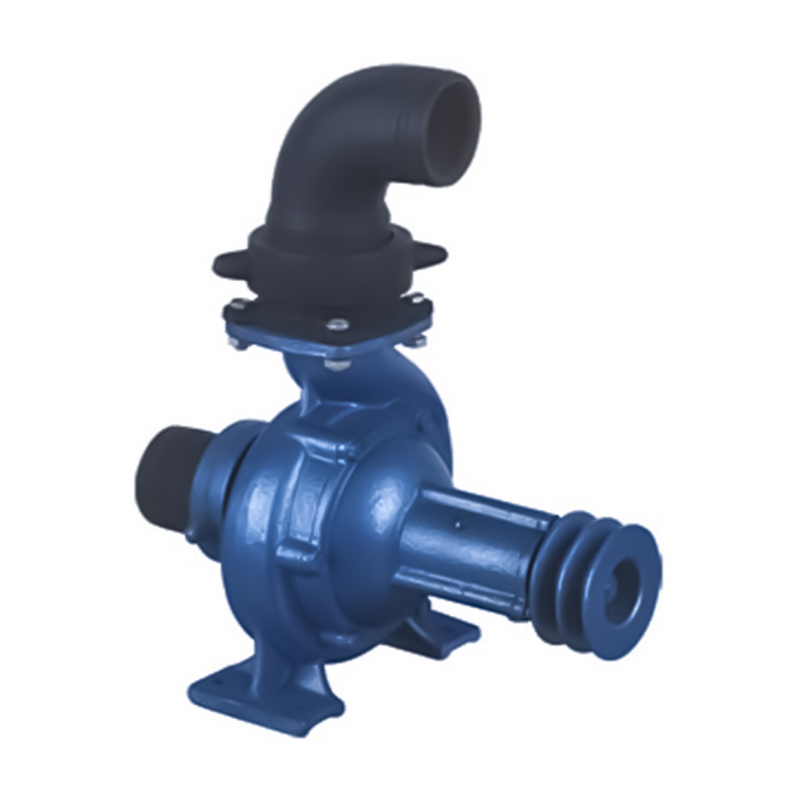
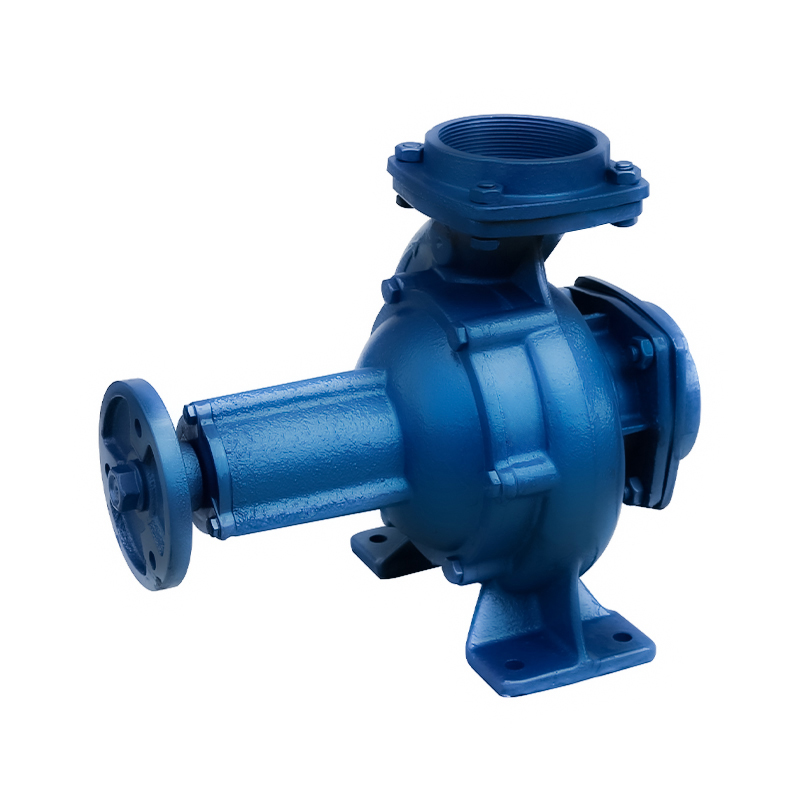
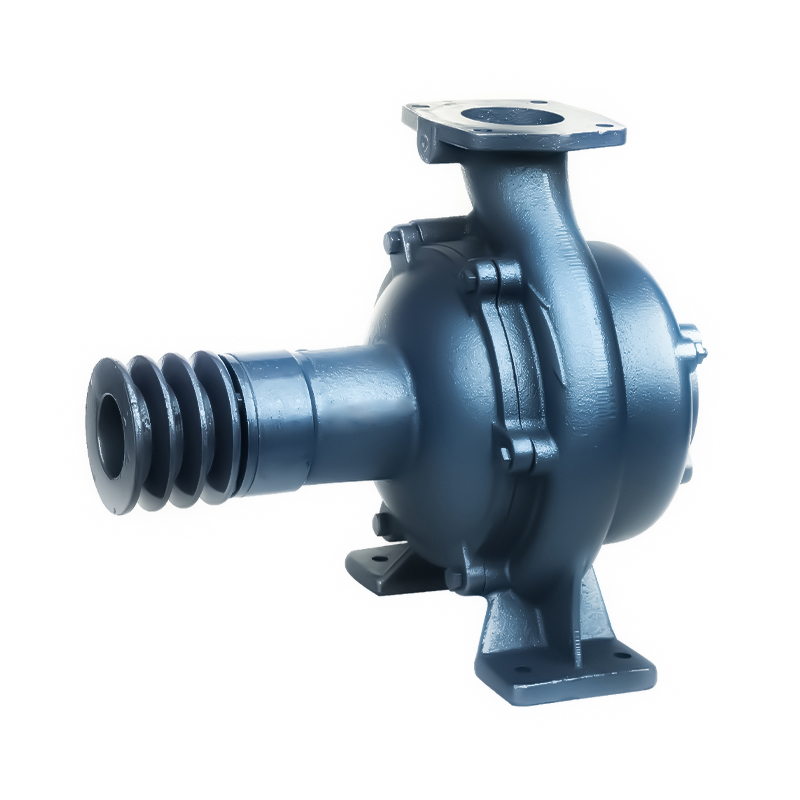
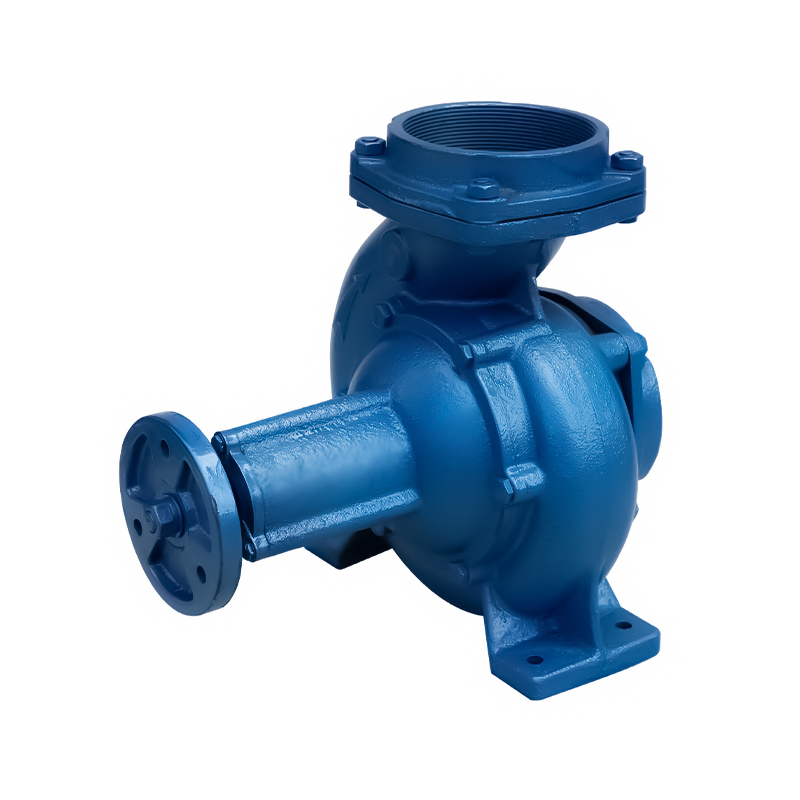
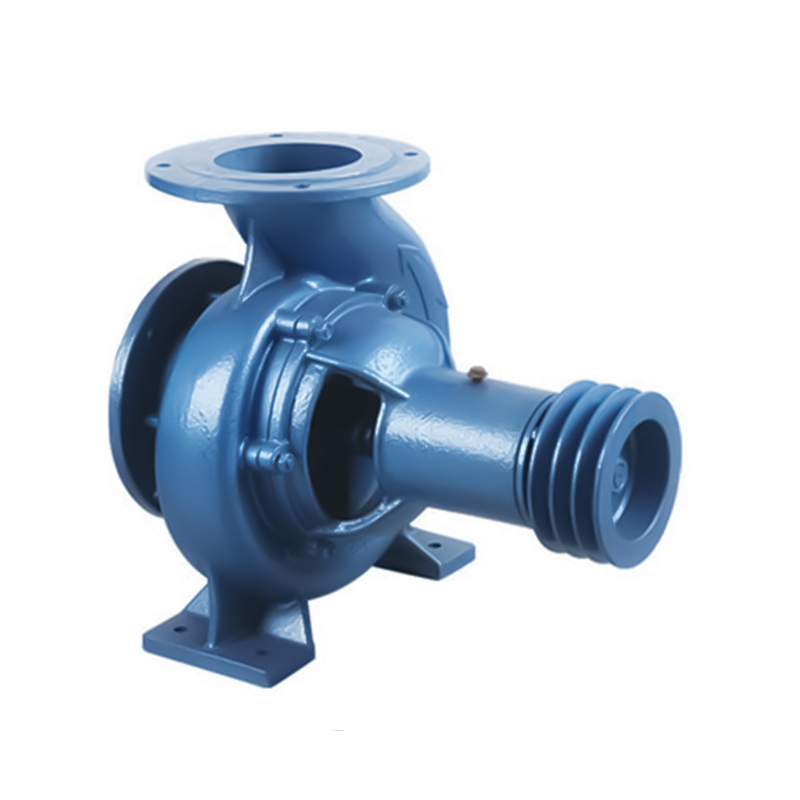
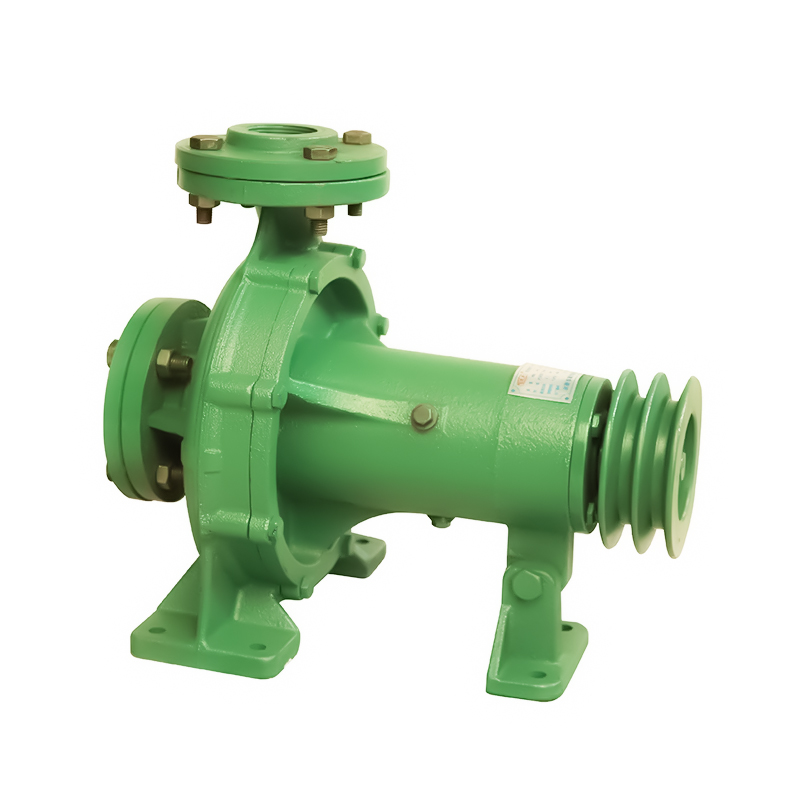
As agricultural businesses expand, their irrigation requirements often change. A farm may add new planting areas, build additional greenhouses, or introduce more irrigation zones to support different crops. These changes can place new demands on existing pumping equipment. A Drip Irrigation Centrifugal Pump that worked well for a smaller system may no longer provide suitable water delivery after the irrigation network has been expanded. For farm owners, irrigation contractors, and agricultural equipment distributors, understanding when to upgrade a pump can help avoid unnecessary operating problems.

New Irrigation Areas May Increase Water Demand
Adding more drip lines or planting areas usually increases the total water requirement. If the existing pump cannot supply the additional demand, some sections of the field may receive insufficient water.
Before expanding the system, buyers should calculate the combined flow requirements of the new irrigation zones. It is also important to consider whether all zones will operate simultaneously or follow a scheduled irrigation plan.
This information helps determine whether the existing pump can continue operating within its suitable performance range.
Longer Pipelines Can Affect Pump Performance
When irrigation networks extend to more distant fields, the total pipeline length increases. Water moving through pipes experiences friction losses, and additional fittings, valves, and elevation changes can further affect the required pump head.
Simply choosing a pump with higher motor power is not always the right solution. Buyers should review the updated pipeline layout and calculate the actual total head before selecting replacement equipment.
A centrifugal pump with a suitable performance curve can help meet the revised operating requirements without unnecessary equipment oversizing.
Check Compatibility Before Replacing Equipment
Replacing an agricultural irrigation pump involves more than comparing flow rate and motor power. The new unit should also fit the existing installation and electrical system.
Important details include:
- Inlet and outlet connection sizes.
- Pump installation dimensions and foundation requirements.
- Motor voltage and frequency.
- Pipeline connection arrangements.
- Control panel and protection device compatibility.
Checking these details before ordering can reduce installation changes and avoid delays during equipment replacement.
Variable Water Demand May Require Better Control
Some farms operate different irrigation zones at different times of the day. Their water demand can change depending on crop type, planting area, and seasonal conditions.
In these situations, a compatible variable frequency drive may help adjust pump speed according to system demand. However, the control method should be selected according to the pump characteristics and actual irrigation requirements.
For buyers managing several irrigation zones, reviewing the control system alongside the pump upgrade can make daily operation easier.
Consider Maintenance Costs During an Upgrade
An expanding irrigation system may operate for longer periods, making equipment maintenance an important purchasing consideration.
Before replacing a pump, buyers should review the condition of the existing unit, including its bearings, mechanical seals, impeller, and motor. If repeated maintenance issues are affecting irrigation schedules, replacement may be worth considering.
When comparing pump models, ask manufacturers about spare parts availability, maintenance procedures, and technical documentation. These details help distributors and farm operators plan equipment support after installation.
Work with a Manufacturer on Project Requirements
For agricultural equipment wholesalers and irrigation contractors, pump upgrades often involve different installation conditions across multiple customer projects. Access to technical specifications and configuration support can make product selection more straightforward.
As a manufacturer, we recommend preparing the existing pump specifications, updated irrigation layout, water source information, and required operating conditions before requesting a quotation. This allows the equipment configuration to be evaluated according to the actual project rather than relying on motor power alone.
A properly selected Drip Irrigation Centrifugal Pump can support an expanding irrigation network while helping agricultural businesses manage water delivery, equipment compatibility, and long-term maintenance requirements.

 Email:
 Phone:+86-13605899207