


 English
 русский
 Español
Facilities that require lifting water from a lower source often consider a High Suction Self‑Priming Pump. These pumps are distinguished by their ability to evacuate air from the suction line and create a partial vacuum, allowing atmospheric pressure to push liquid upward.
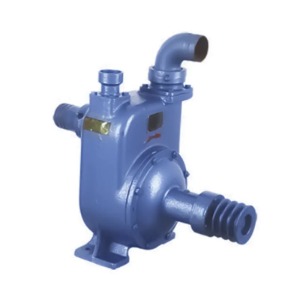
Suction Lift Capability
The suction lift of a self‑priming pump is the vertical distance between the water surface and the pump centerline. For a High Suction Self‑Priming Pump, this distance is often greater than that of a standard self‑priming model. Under practical conditions, lifts of several meters are achievable. The actual value depends on factors such as atmospheric pressure, water temperature, and friction losses in the suction pipe. Colder water and higher atmospheric pressure (e.g., at sea level) allow a higher lift. When planning an installation, the user should calculate the total suction head, which includes the vertical rise plus all pipe and fitting losses. A margin should be kept below the theoretical to avoid cavitation.
Flow and Pressure Characteristics
These pumps cover a wide range of flow rates, from small units used for draining a pit to large pumps serving irrigation networks. The head (pressure) produced varies with the flow; as the flow increases, the head decreases, following a characteristic curve. For applications that require a relatively steady pressure over a range of flows, a pump with a flatter curve may be chosen. For systems with variable demand, such as a distribution network, a steeper curve allows the pressure to change noticeably with flow, which can be managed with control valves or variable frequency drives. The efficiency of a well‑designed High Suction Self‑Priming Pump is comparable to that of a standard centrifugal pump when operating at the design point, though efficiency may drop slightly due to the recirculation needed for priming.
Priming Time and Reliability
One practical performance parameter is the time required to prime, i.e., to expel air from the suction line and begin delivering liquid. This time depends on the suction lift, the diameter and length of the suction pipe, and the pump’s internal volume. A High Suction Self‑Priming Pump typically primes within a period ranging from tens of seconds to a couple of minutes for a moderate lift. If the suction pipe is very long or has leaks, the priming time may increase or may not be achieved at all. Therefore, maintaining airtight suction piping is important. Some designs incorporate a vacuum pump to assist priming, reducing the time and allowing the pump to handle deeper lifts or longer pipes.
Application Scenario – Agricultural Irrigation
In farming areas, water is often taken from a canal, river, or reservoir. The pump is placed on the riverbank, above the water level. A High Suction Self‑Priming Pump draws water from the source and delivers it to a distribution system. This arrangement avoids the need to construct a concrete sump or to place a submersible pump in the water, which can be damaged by debris or vandalism. The pump can be mounted on a movable skid or trailer, allowing it to serve different fields during the growing season. For intermittent use, the self‑priming feature saves the operator from refilling the pump casing before each start.
Application Scenario – Industrial Cooling Water
Many industrial plants use water for cooling processes. The cooling water may be stored in a basin or drawn from a nearby lake. A High Suction Self‑Priming Pump located on the plant floor can pull water from a below‑grade basin. This setup keeps the pump accessible for maintenance and reduces the risk of flooding the motor. When the cooling demand varies, a variable frequency drive can adjust the pump speed. Because the pump can handle small amounts of air that may enter the suction line due to vortex action, operation remains stable.
Application Scenario – Building Site Dewatering
Construction excavations often collect groundwater and rainwater. Removing this water is necessary to keep the work area dry. A High Suction Self‑Priming Pump placed at ground level can dewater a pit several meters deep. The pump can run continuously or intermittently, and it will re‑prime each time the water level rises and air is displaced. For sites with abrasive sand or silt, a pump with hardened wear parts is recommended. The discharge hose should be routed away from the excavation to prevent recirculation.
Whether for irrigation, industrial cooling, or construction dewatering, the High Suction Self‑Priming Pump provides a flexible solution for moving water from below‑grade sources. Understanding its suction lift, priming behavior, and flow characteristics helps users match the pump to the task effectively.
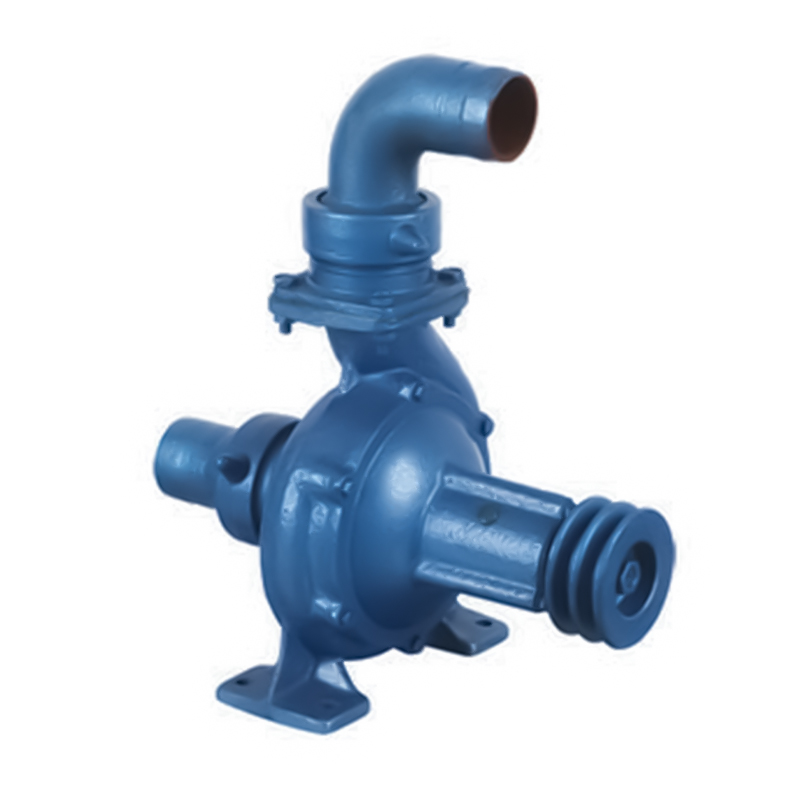
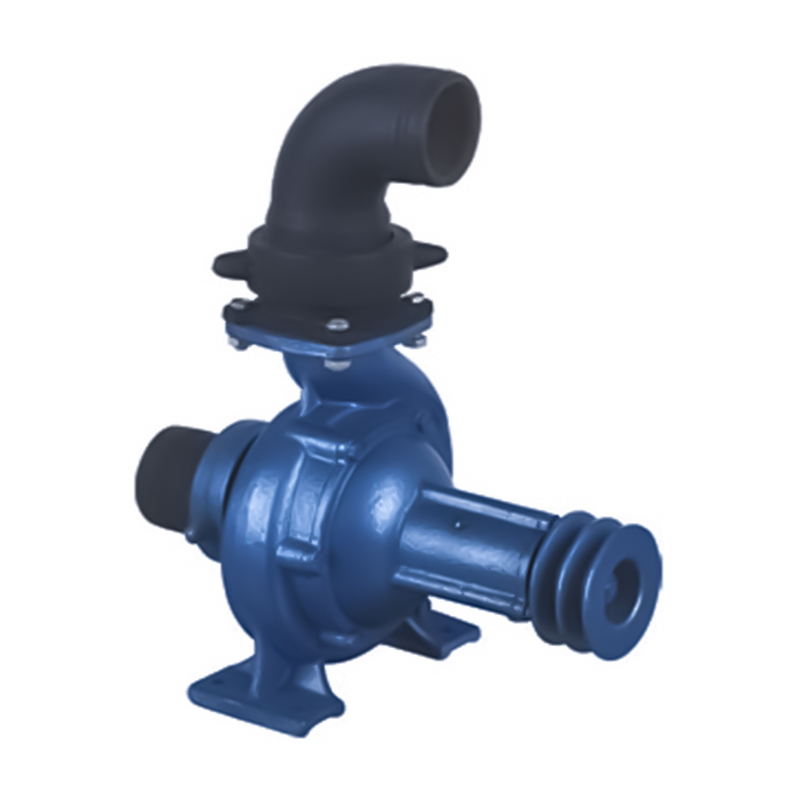
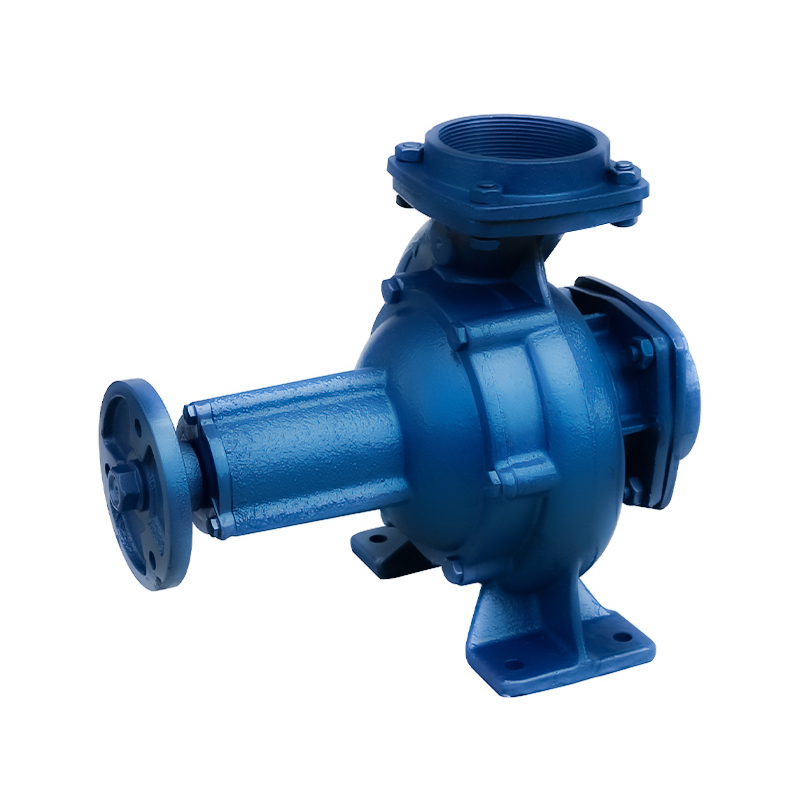

 Email:
 Phone:+86-13605899207