


 English
 русский
 Español
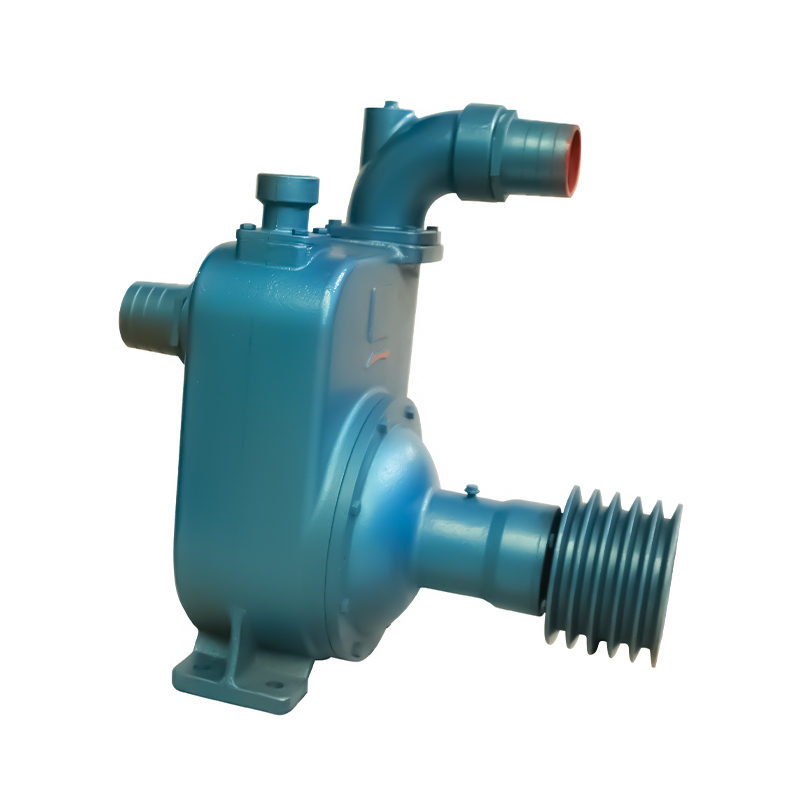
Household Self-Priming Pump systems are widely installed in residential properties where stable water pressure cannot always be guaranteed. In many homes, pressure fluctuates due to municipal supply variation, multi-story layouts, rooftop storage tanks, or well-based water systems. These fluctuations affect showers, washing machines, dishwashers, and irrigation outlets. To address this issue, modern pump systems combine automatic control with efficient motor operation. Design concepts originally refined in the Sprinkler Irrigation Self-Priming Pump industry have also contributed to improvements in residential pressure stability.
Why Constant Pressure Matters
Stable water pressure is more than a matter of comfort. Inconsistent flow can cause uneven shower temperature, longer appliance filling times, and irregular irrigation coverage. Over time, pressure instability may also create additional strain on plumbing components.
A properly configured pump maintains balanced pressure by responding immediately to demand changes. When a faucet opens, the internal system detects pressure loss and activates the motor. Once the demand stops, the motor shuts down after restoring the preset pressure level. This cycle repeats automatically without manual adjustment.
Key Components That Support Constant Pressure
Achieving reliable pressure control requires coordination among several internal elements:
- Pressure switch or electronic controller
- Flow sensor
- Expansion tank or pressure tank
- Motor protection system
The pressure tank plays an important role in reducing frequent motor cycling. By storing a small volume of pressurized water, it absorbs minor demand changes without triggering immediate startup. This function supports smoother operation and contributes to balanced energy use.
Electronic control systems further refine responsiveness. Some pumps use integrated circuit boards to monitor pressure changes more accurately, ensuring stable performance even during simultaneous water usage across multiple outlets.
Energy Savings Through Demand-Based Operation
A major advantage of a self-priming pump is that it operates only when water is required. Unlike continuous-running systems, it activates strictly in response to a pressure drop. This reduces unnecessary electrical consumption and limits mechanical wear.
Energy-conscious households benefit from:
- Controlled startup and shutdown cycles
- Reduced idle operation
- Balanced motor workload
Proper pump sizing also contributes to energy efficiency. A pump that closely matches the home’s flow requirements avoids excessive cycling or extended running periods. When system capacity aligns with actual demand, performance remains steady without unnecessary strain.
The Importance of Proper Installation
Even well-designed pumps require correct installation to achieve constant pressure and efficient operation. Important factors include:
- Airtight suction line connections
- Properly positioned check valves
- Stable electrical supply
- Correct placement of the pressure tank
Air leakage in the suction line may disrupt priming performance and create pressure instability. Ensuring secure pipe connections supports consistent suction and prevents operational interruptions.
Learning From Irrigation Engineering
The Sprinkler Irrigation Self-Priming Pump sector has long focused on maintaining even water distribution across sprinkler networks. These systems require reliable suction and balanced discharge pressure to ensure uniform irrigation.
Residential pump manufacturers have adopted similar hydraulic principles, improving impeller design and motor durability. Although household units are generally more compact, they benefit from structural refinements originally developed for outdoor irrigation environments.
Long-Term Maintenance for Sustainable Performance
Routine maintenance helps preserve constant pressure and energy efficiency:
- Inspecting seals and fittings regularly
- Cleaning inlet filters to prevent blockage
- Monitoring pressure switch operation
- Checking for unusual vibration or noise
Preventive care supports steady operation and reduces the likelihood of unexpected downtime.
Outlook for Energy-Conscious Homes
As homeowners pay closer attention to utility management and system durability, demand continues to grow for pumps that combine reliable pressure control with balanced energy use. By integrating self-priming functionality, responsive control systems, and durable construction, modern household pumps provide a practical solution for achieving stable water flow without continuous operation.
Through thoughtful selection, proper installation, and regular maintenance, households can maintain consistent pressure while supporting responsible energy consumption.

 Email:
 Phone:+86-13605899207