


 English
 русский
 Español
Household Self-Priming Pump systems have become an essential component of modern residential plumbing networks. In homes that rely on wells, rooftop tanks, or fluctuating municipal supply, stable water delivery cannot always be assumed. A self-priming pump addresses these challenges by ensuring reliable suction, steady flow, and automatic operation. Engineering approaches developed in the Sprinkler Irrigation Self-Priming Pump field have further enhanced durability and suction performance in residential equipment.
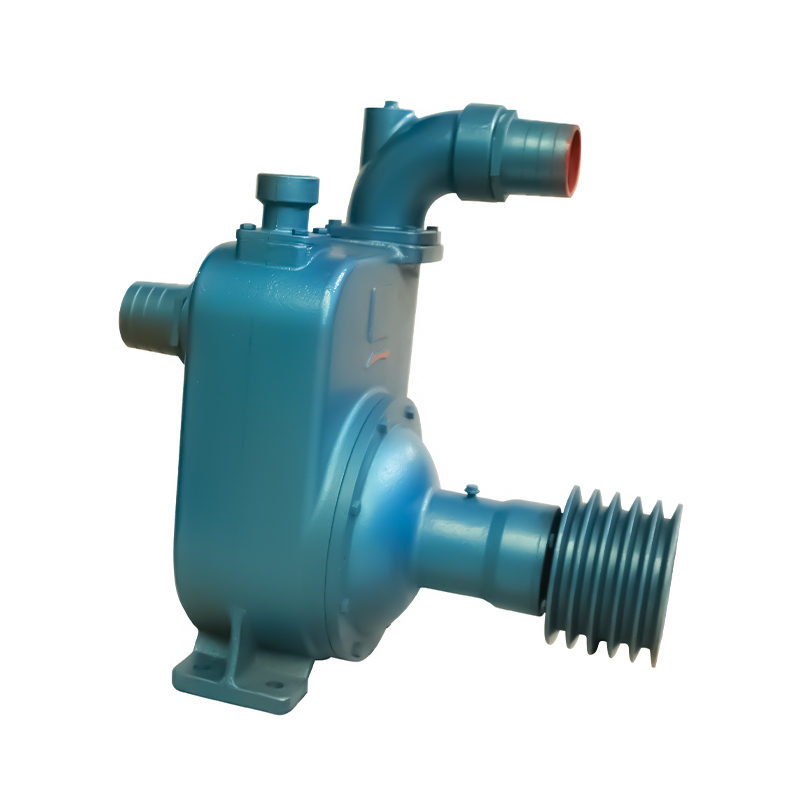
Self-Priming Structure and Operational Reliability
The defining feature of a household self-priming pump is its ability to remove air from the suction line without manual intervention. After installation, the pump chamber retains enough water to create a vacuum effect during startup. This vacuum draws water upward from the source, even if air is present in the pipe.
This mechanism offers several practical advantages:
- Simplified restart after power interruption
- Reduced need for manual water filling
- Reliable operation in shallow well or tank systems
By automatically handling air removal, the pump maintains consistent suction and avoids interruptions caused by trapped air pockets.
Flow Stability and Pressure Balance
A stable domestic supply depends on consistent pressure regulation. Modern pumps incorporate pressure switches or electronic controllers that respond quickly to demand changes.
When a faucet opens:
- Pressure drops inside the pipeline.
- The pump activates automatically.
- Water flow increases until pressure stabilizes.
Once water usage stops, the system shuts down smoothly. This cycle ensures balanced pressure delivery across multiple fixtures, including showers, kitchen taps, and appliances.
Durable Construction for Long-Term Use
Residential pumps must withstand repeated startup cycles and varying operating conditions. To support longevity, manufacturers focus on:
- Reinforced impeller assemblies
- Corrosion-resistant housing materials
- Mechanical seals designed for moisture exposure
- Motor windings with thermal protection
Vibration control also plays a significant role in performance stability. Secure mounting bases and balanced rotor structures reduce mechanical stress and limit noise transmission within the home.
Integrated Safety Mechanisms
Safety features protect both the pump and the surrounding plumbing network. These may include:
- Overheat protection systems
- Dry-run detection and automatic shutdown
- Pressure control safeguards
- Electrical overload protection
If the water supply becomes unstable or the pump experiences an abnormal temperature rise, built-in sensors interrupt operation to prevent internal damage.
Compatibility With Multiple Water Sources
Household self-priming pumps are adaptable to a range of residential configurations:
- Rooftop water tanks supplying multi-story homes
- Underground storage cisterns
- Shallow well extraction systems
- Booster applications for municipal pipelines
Additionally, some households connect light garden irrigation lines to the same pump. The structural principles shared with Sprinkler Irrigation Self-Priming Pump systems allow residential units to handle moderate sprinkler operation while maintaining indoor supply stability.
Installation Considerations for Stable Operation
Correct installation supports reliable performance. Key factors include:
- Ensuring airtight suction piping
- Installing appropriate check valves
- Protecting the pump from direct weather exposure
- Providing stable electrical grounding
Attention to these details helps maintain consistent suction and pressure regulation over time.
Future Development in Residential Pump Systems
As homes become more integrated and automation-focused, water supply systems are evolving accordingly. Homeowners increasingly seek equipment that operates independently while maintaining steady output. Quiet performance, reliable safety mechanisms, and compatibility with various water sources remain central priorities.
By combining self-priming capability, structural durability, and intelligent pressure management, household pumps continue to strengthen residential water infrastructure. Drawing inspiration from irrigation engineering while adapting to domestic requirements, these systems provide dependable performance across diverse living environments.

 Email:
 Phone:+86-13605899207