


 English
 русский
 Español
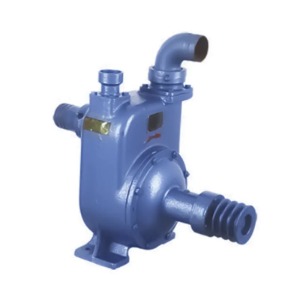
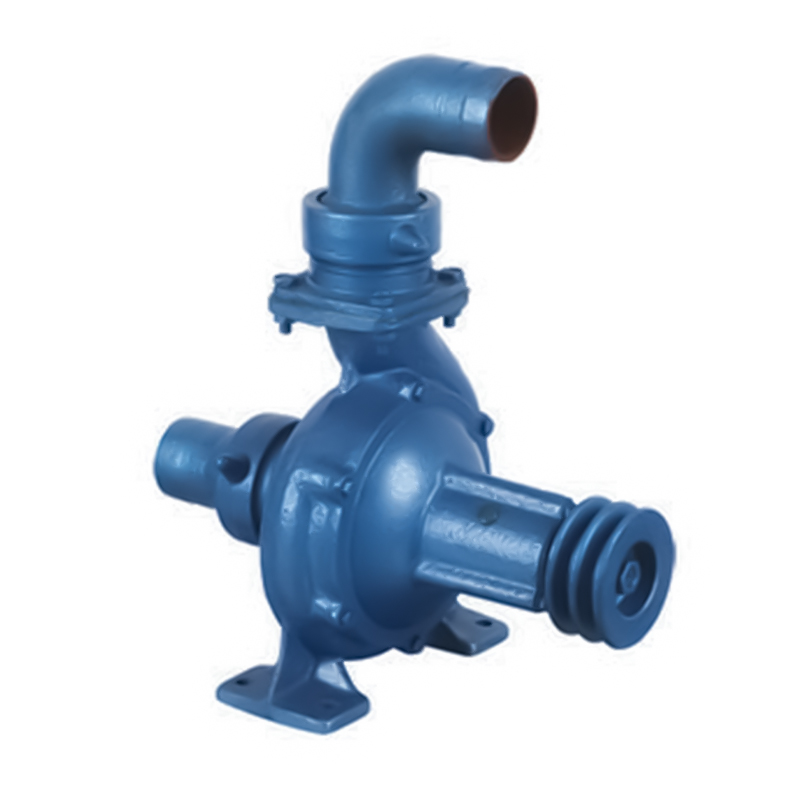
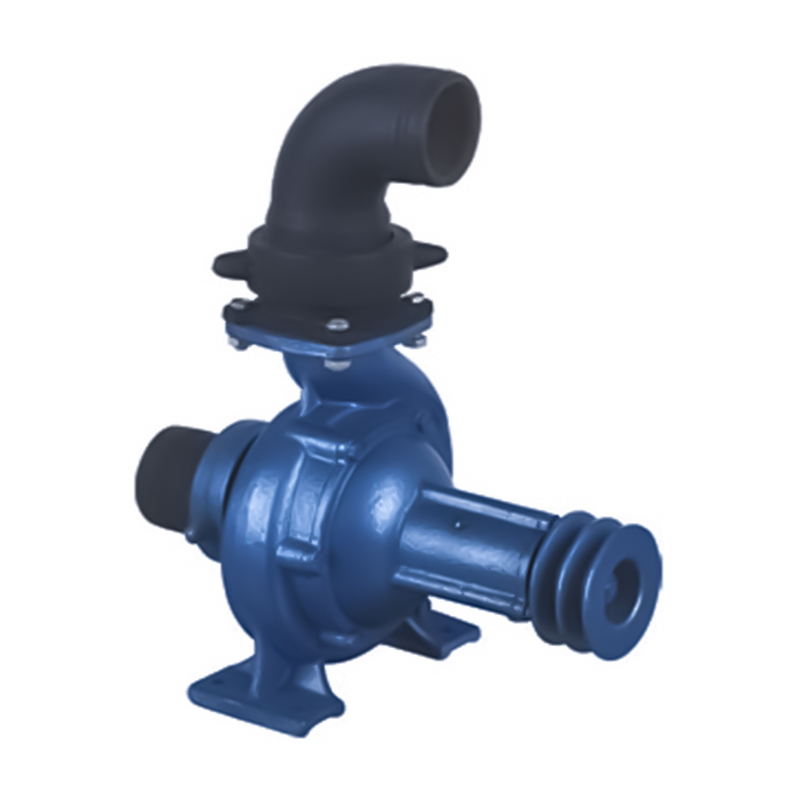
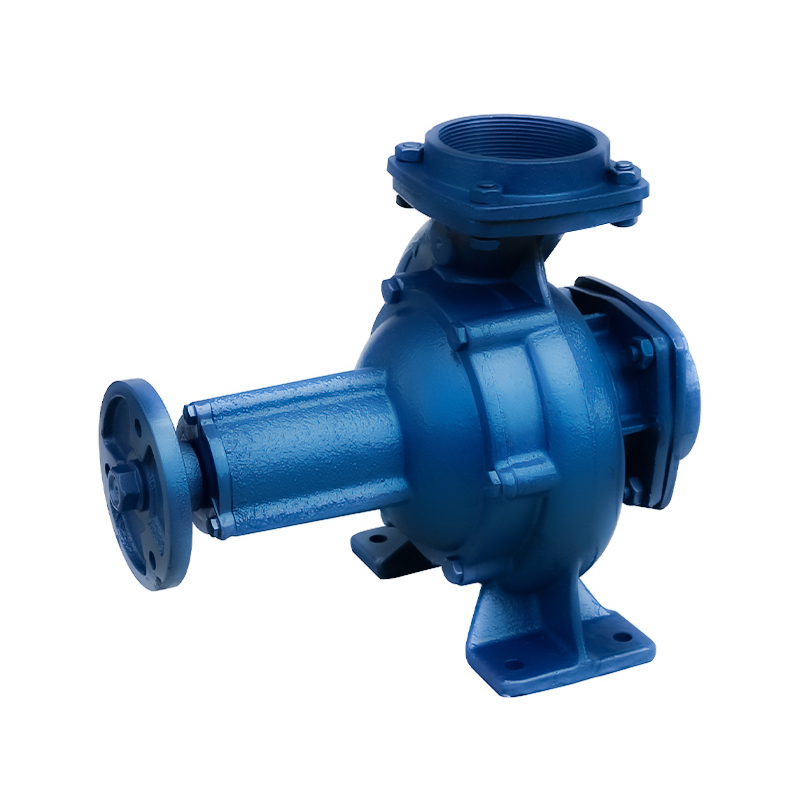
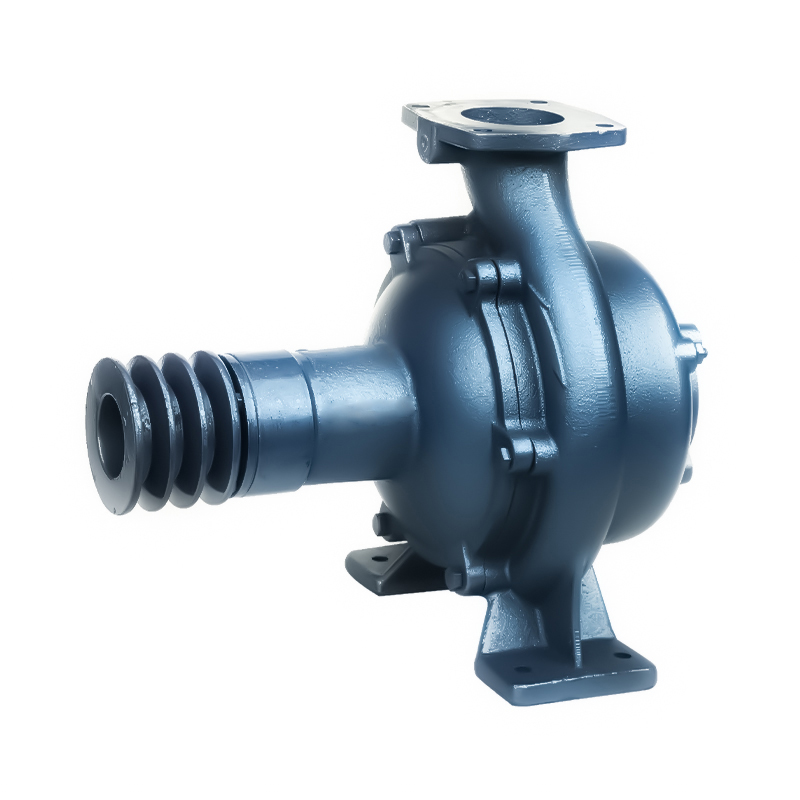
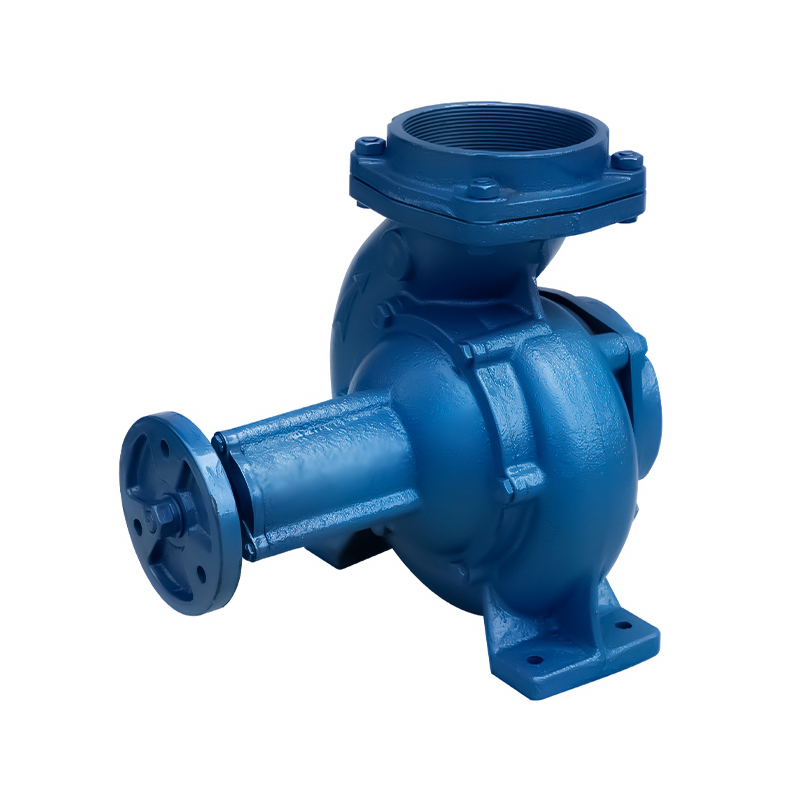
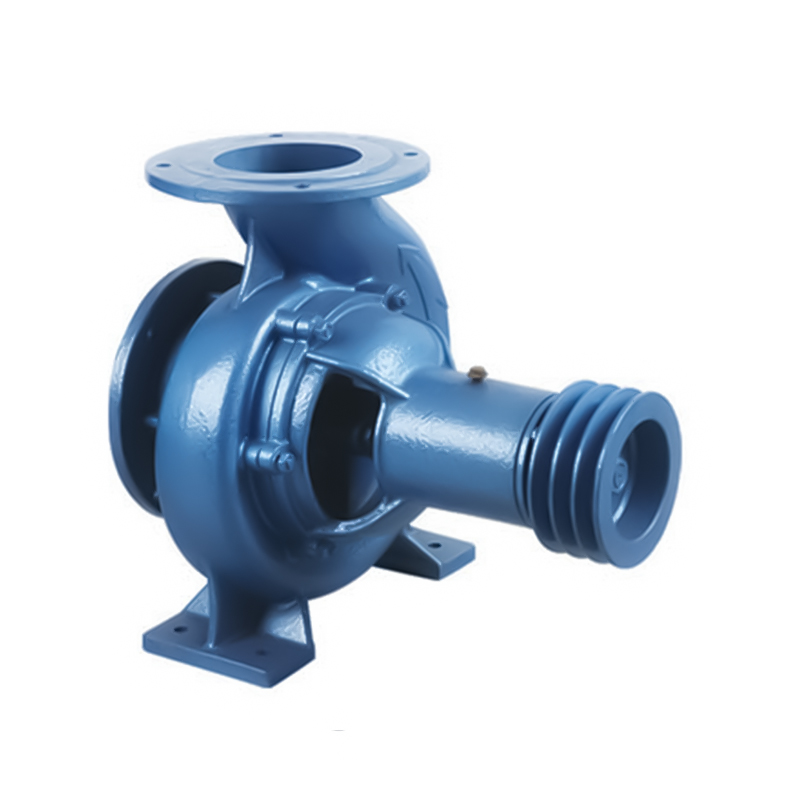
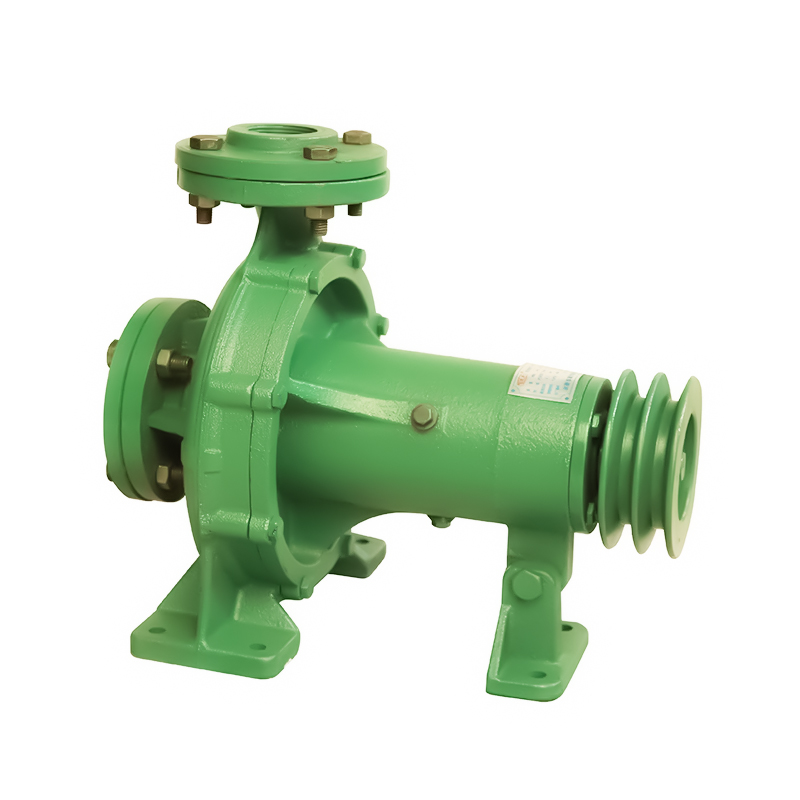
Efficient water management has become a key concern for agricultural businesses, irrigation contractors, and equipment distributors around the world. As farms expand and irrigation systems become more specialized, choosing the correct pumping equipment is essential for maintaining stable water supply and reducing operational challenges. A suitable Sprinkler Irrigation Centrifugal Pump helps deliver consistent pressure for sprinkler networks, while an Agricultural Self-Priming Pump provides flexibility for applications where quick water intake and convenient operation are required. For international buyers, understanding pump functions, installation conditions, and maintenance needs can make the difference between a smooth irrigation project and frequent equipment issues.
Understanding the Challenges Behind Modern Agricultural Irrigation
Agricultural irrigation is becoming more complex due to changing field conditions, different crop requirements, and various water sources. Many farms no longer rely on simple water delivery systems but require carefully designed solutions that can maintain stable performance across different seasons.
Before purchasing irrigation pumps, buyers usually consider factors such as water source distance, suction conditions, pipeline length, and required irrigation coverage. A pump that performs well in one agricultural environment may not always be suitable for another. Therefore, matching pump characteristics with actual project requirements is an important step for engineers and procurement teams.
How Centrifugal Pumps Support Sprinkler Irrigation Systems
Sprinkler irrigation requires stable water pressure to ensure even water distribution across farmland. This is where centrifugal pump technology plays an important role.
A properly selected centrifugal pump can support continuous water circulation and provide the pressure needed for different sprinkler arrangements. For large agricultural fields, greenhouse irrigation, and commercial farming projects, buyers often focus on pump efficiency, flow stability, and compatibility with existing irrigation equipment.
When selecting a Sprinkler Irrigation Centrifugal Pump, professional buyers usually review:
- Flow requirements based on irrigation area
- Pressure demand of sprinkler equipment
- Pump material selection according to water conditions
- Motor compatibility with local power standards
- Installation and maintenance convenience
These details help ensure the pump works effectively within the complete irrigation system.
Why Self-Priming Features Matter in Agricultural Applications
In many farming environments, water sources are located below the pump installation position or may involve temporary irrigation setups. Traditional pumps can require additional preparation before operation, which may increase complexity for field workers.
An Agricultural Self-Priming Pump is designed to simplify startup by helping the pump remove air from the suction line and begin water delivery more conveniently. This feature can be valuable for mobile irrigation equipment, open water sources, and agricultural applications where installation conditions change frequently.
For distributors and contractors, offering self-priming solutions can help meet different customer requirements across various regions and farming environments.
Common Pump Selection Mistakes and How to Avoid Them
Some irrigation projects experience performance problems because pump selection is based only on basic parameters such as horsepower or purchase price. However, pump performance depends on the entire irrigation system.
Common mistakes include:
- Selecting a pump without calculating actual pressure requirements
- Ignoring pipeline resistance and distance factors
- Using unsuitable materials for specific water conditions
- Overlooking future expansion of irrigation areas
Working with experienced manufacturers can help buyers evaluate application requirements before production. Proper communication during the early stage often reduces installation problems and improves overall system reliability.
Maintenance Practices That Help Extend Equipment Service Life
Regular maintenance is an important part of agricultural equipment management. Even well-designed pumps require proper operation and inspection to maintain stable performance.
Farm operators should regularly check suction pipes, connections, seals, and other key components. Keeping the pump area clean and monitoring unusual vibration or noise can help identify potential issues earlier.
For international customers purchasing in larger quantities, manufacturers that provide maintenance guidance and technical support can offer additional value throughout the product lifecycle.
Why Working with a Professional Pump Manufacturer Matters
For global agricultural equipment buyers, selecting a supplier is not only about obtaining a product. They also need technical cooperation, manufacturing consistency, and reliable communication.
As an experienced pump manufacturer, we focus on understanding each customer's irrigation application before recommending suitable solutions. Through professional production processes, quality inspections, and application-based support, we help distributors, engineering companies, and agricultural businesses develop practical irrigation systems.
Building More Reliable Irrigation Solutions for Future Agriculture
As agricultural water management continues to develop, pump selection will remain a critical part of efficient irrigation planning. Choosing the appropriate Sprinkler Irrigation Centrifugal Pump allows sprinkler systems to achieve stable water delivery, while an Agricultural Self-Priming Pump offers operational flexibility for farms with different water source conditions. By combining suitable pump technology with professional manufacturing support, international buyers can build irrigation solutions that better match their field requirements and long-term business goals.

 Email:
 Phone:+86-13605899207