


 English
 русский
 Español
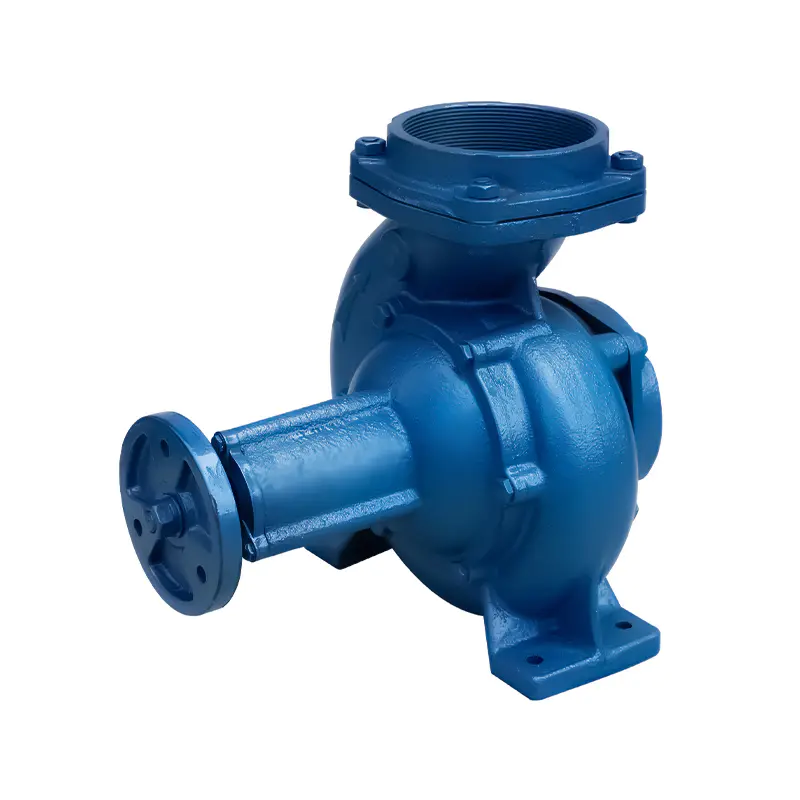
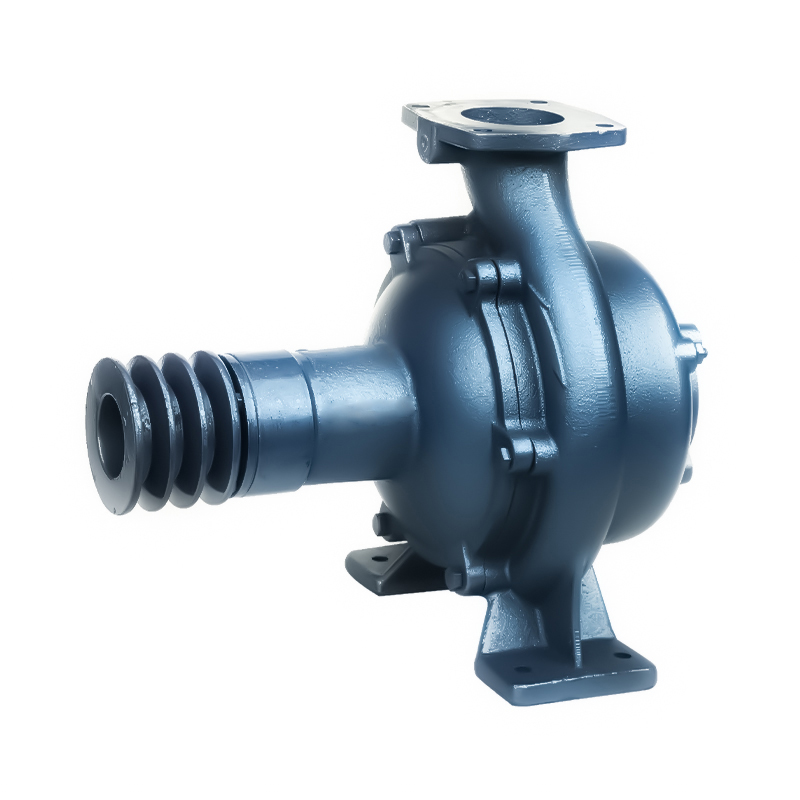
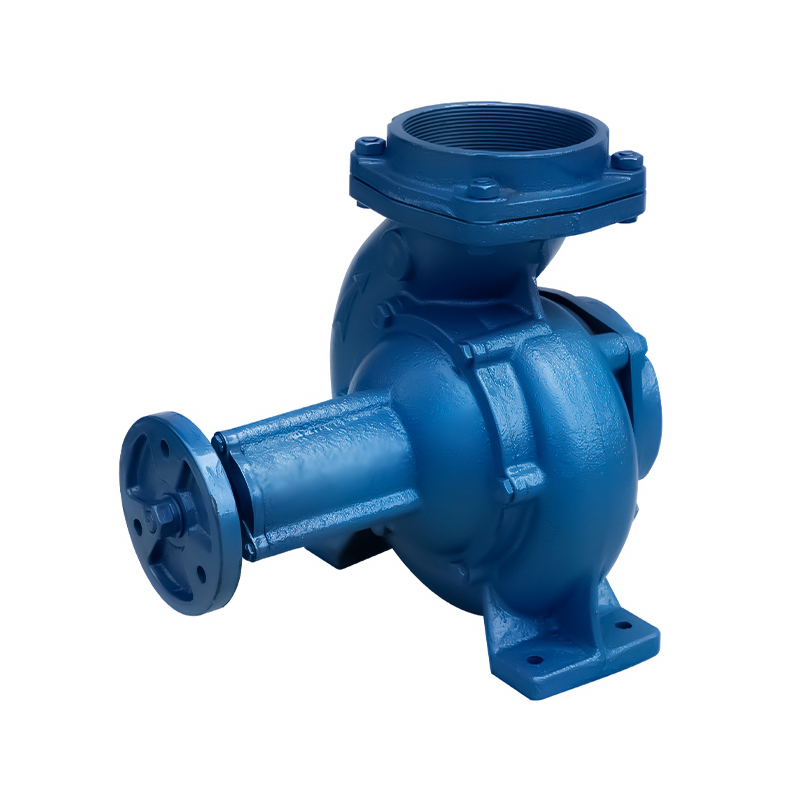
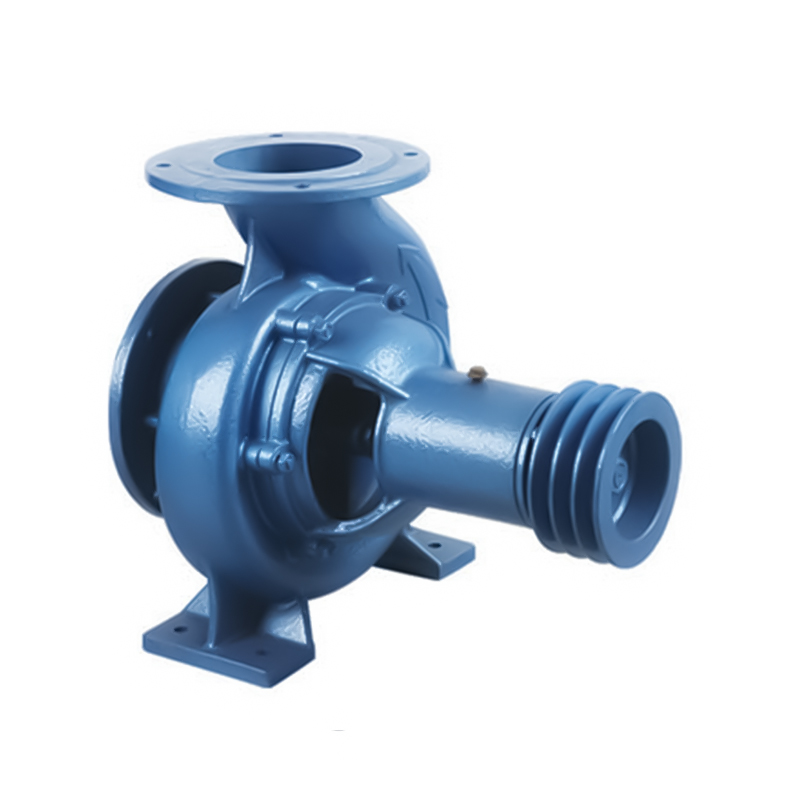
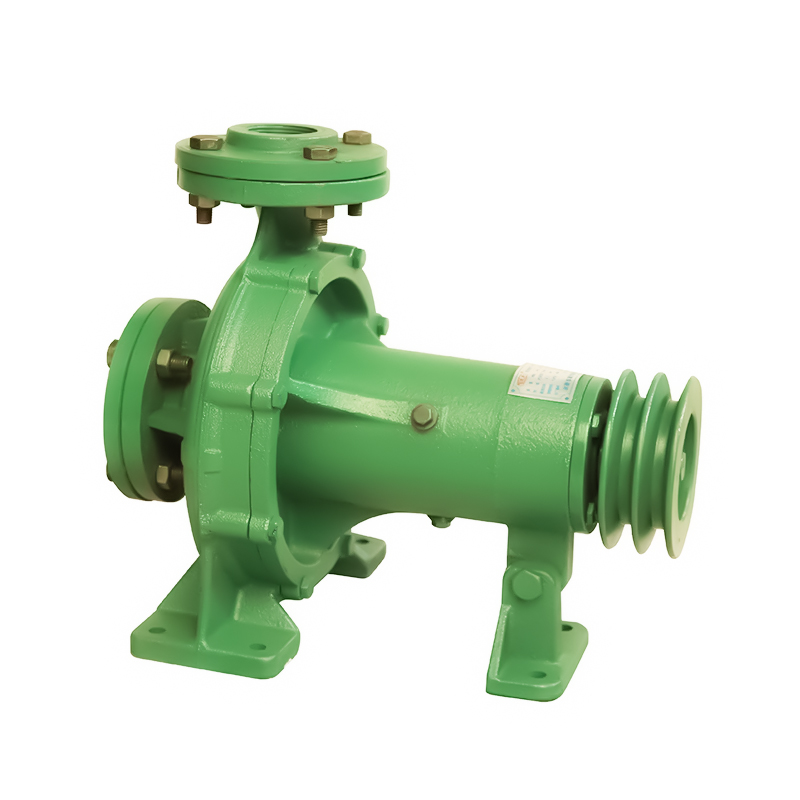
Water availability, energy efficiency, and changing farming practices are encouraging agricultural professionals to rethink how irrigation systems are designed. Whether upgrading existing farmland or planning new projects, buyers are paying closer attention to equipment reliability, maintenance requirements, and long-term operating costs. A well-matched Sprinkler Irrigation Centrifugal Pump can provide stable water delivery for sprinkler systems, while an Agricultural Self-Priming Pump offers practical advantages where rapid startup and flexible installation are required. Understanding how these pump types fit different irrigation scenarios has become an important part of purchasing decisions for distributors, contractors, and agricultural equipment suppliers.
Why Irrigation System Design Is Receiving More Attention
Farm operators today are looking beyond simple water transfer. They are evaluating complete irrigation performance, including pressure stability, water distribution consistency, energy consumption, and ease of servicing. Seasonal weather uncertainty and increasing interest in precision irrigation have also encouraged buyers to compare pump specifications more carefully before placing orders.
Engineers frequently search for solutions that reduce downtime while supporting different water sources such as rivers, reservoirs, ponds, and storage tanks. Procurement teams also want equipment that integrates smoothly with sprinkler irrigation networks without requiring complicated modifications. As a result, pump selection is becoming an important part of irrigation planning rather than an afterthought.
Selecting the Right Pump for Different Field Conditions
Every irrigation project presents unique operating conditions. Crop type, irrigation area, elevation changes, pipeline layout, and water source all influence pump performance.
When comparing available options, experienced buyers typically evaluate several factors:
- Required flow rate and operating pressure
- Pump efficiency under normal working conditions
- Ability to handle clean or slightly contaminated water
- Installation flexibility for fixed or mobile irrigation systems
- Maintenance accessibility and spare parts availability
A centrifugal pump often performs well in continuous sprinkler irrigation applications where stable pressure is important. Meanwhile, self-priming models simplify operation when suction lift is involved or when the pipeline cannot remain filled with water between irrigation cycles.
Maintenance Planning Can Influence Long-Term Operating Costs
Many purchasing discussions now include maintenance considerations from the beginning of the project. Reducing unexpected service interruptions helps farms maintain irrigation schedules during critical growing periods.
Routine inspection of seals, bearings, impellers, and suction lines supports consistent performance throughout the irrigation season. Choosing pumps with service-friendly designs can shorten maintenance time and simplify component replacement.
Manufacturers that provide technical documentation, spare parts support, and application guidance often help buyers reduce uncertainty during installation and future servicing. This practical support is becoming increasingly valuable for international distributors managing multiple irrigation projects.
Energy Efficiency Starts with Proper Pump Matching
Improving energy efficiency is not only about selecting a pump with suitable specifications. Correct matching between the pump, motor, pipeline, and sprinkler system plays an equally important role.
Oversized pumps may consume unnecessary electricity, while undersized equipment may struggle to maintain sufficient operating pressure. Professional system evaluation helps determine the appropriate balance between flow capacity and pressure requirements.
For buyers managing agricultural development projects, considering the complete hydraulic system during equipment selection often contributes to smoother system operation over time.
What International Buyers Commonly Ask Before Ordering
As a manufacturer serving global customers, we notice that purchasing decisions are becoming increasingly technical. Instead of focusing only on product pricing, buyers often discuss application details before requesting quotations.
Common questions include:
- Which pump configuration fits a specific irrigation layout?
- How does the pump perform during continuous seasonal operation?
- What materials are suitable for local water conditions?
- Can the pump be customized for different voltage or motor standards?
- Are technical drawings and testing information available before shipment?
These conversations allow manufacturers and customers to identify suitable configurations based on actual operating requirements rather than relying solely on catalog specifications.
Manufacturing Support Adds Value Beyond the Product
Reliable manufacturing involves more than production capacity. Consistent quality control, material selection, machining accuracy, assembly inspection, and performance testing all contribute to dependable pump operation.
From our manufacturing perspective, every project begins with understanding the customer's irrigation application. Technical communication helps confirm operating parameters before production, reducing compatibility issues after delivery.
We also recognize that international buyers often require flexible OEM or ODM support, customized documentation, and responsive technical communication throughout procurement. These services help simplify sourcing while supporting long-term business partnerships.
Choosing Pumps That Match Future Irrigation Needs
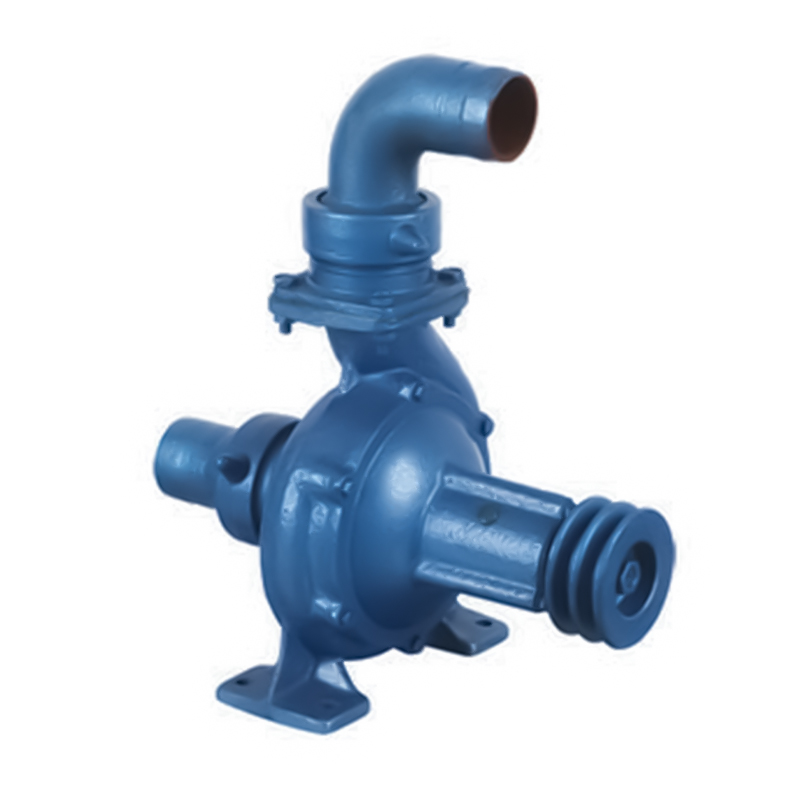
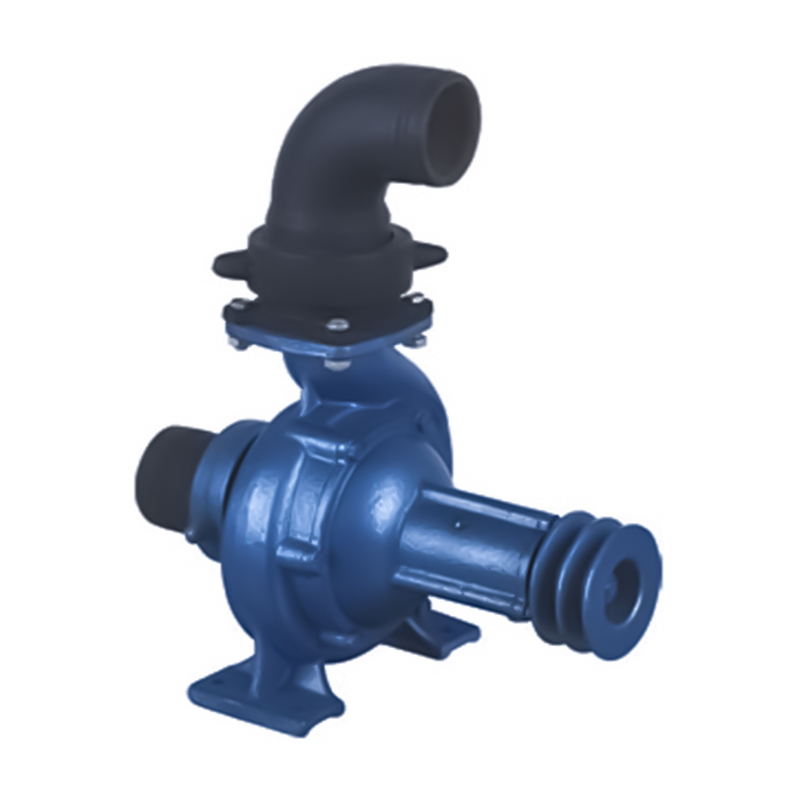
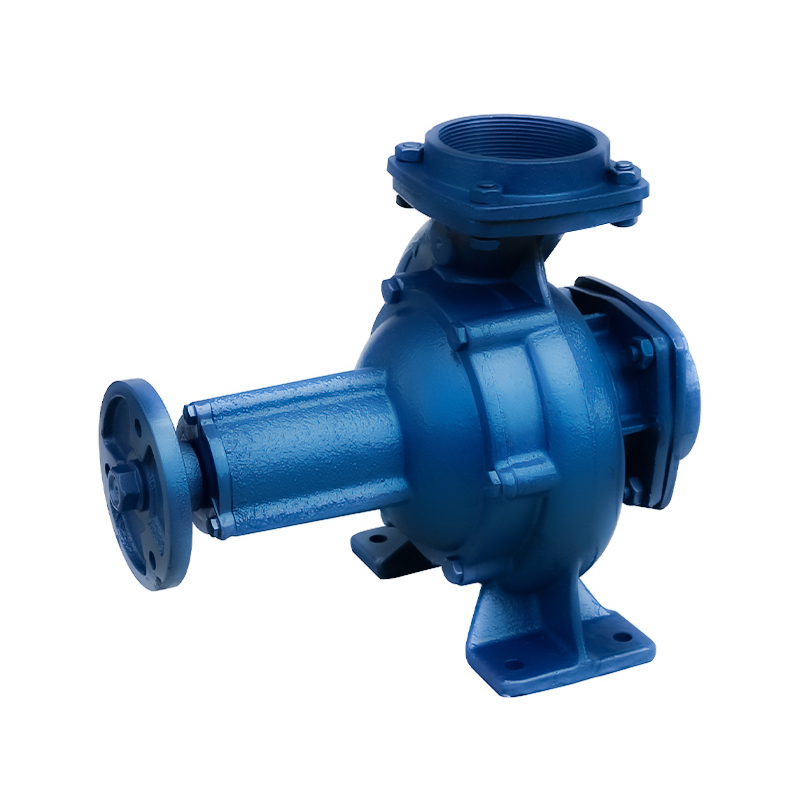
Agricultural irrigation continues to evolve as farms pursue greater efficiency, flexible water management, and dependable equipment performance. Selecting the appropriate Sprinkler Irrigation Centrifugal Pump requires careful evaluation of irrigation objectives, system design, and operating conditions rather than focusing on a single specification. Likewise, an Agricultural Self-Priming Pump remains a practical option for applications requiring convenient startup and adaptable installation. By working with an experienced manufacturer that understands irrigation engineering, buyers can obtain solutions that fit real operating environments while supporting reliable agricultural water delivery for years to come.

 Email:
 Phone:+86-13605899207