


 English
 русский
 Español

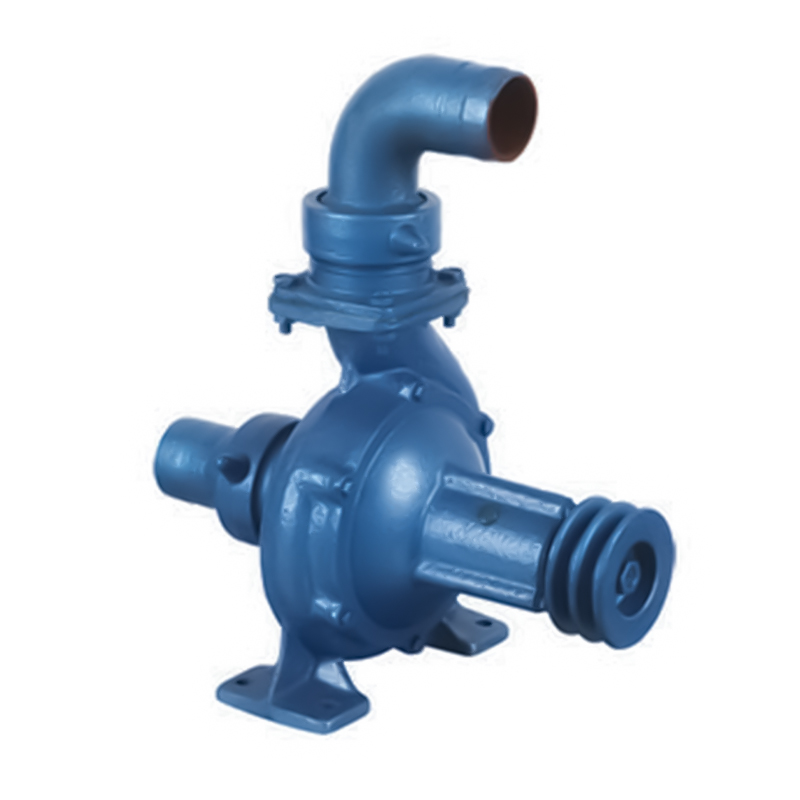
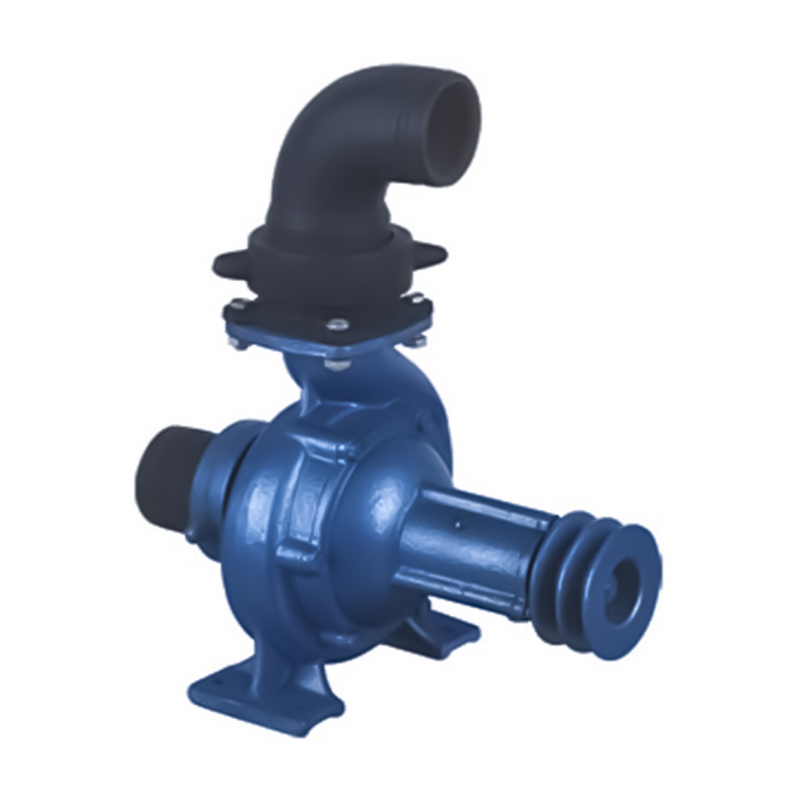
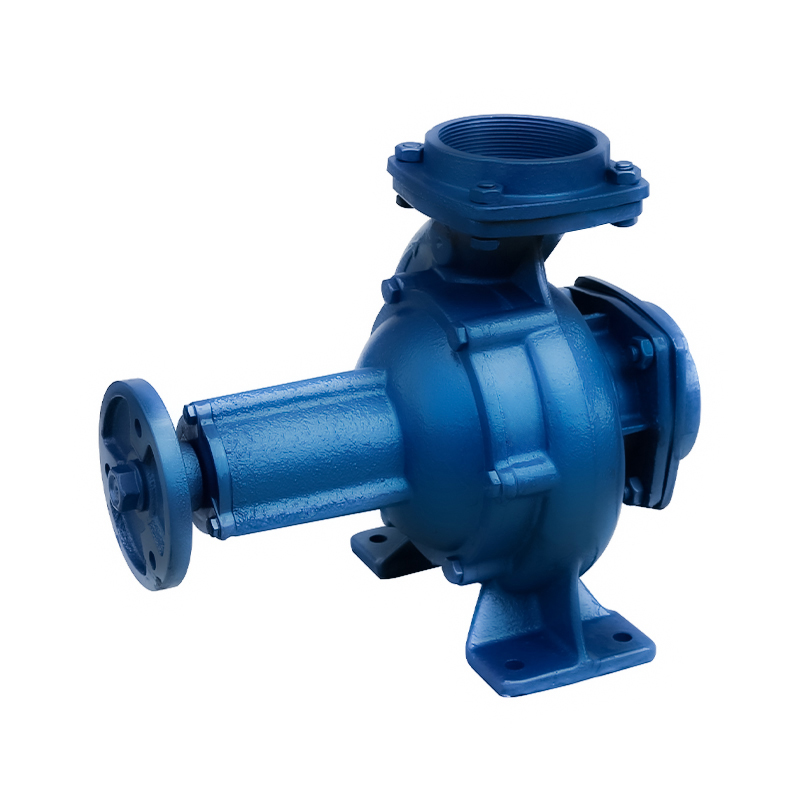
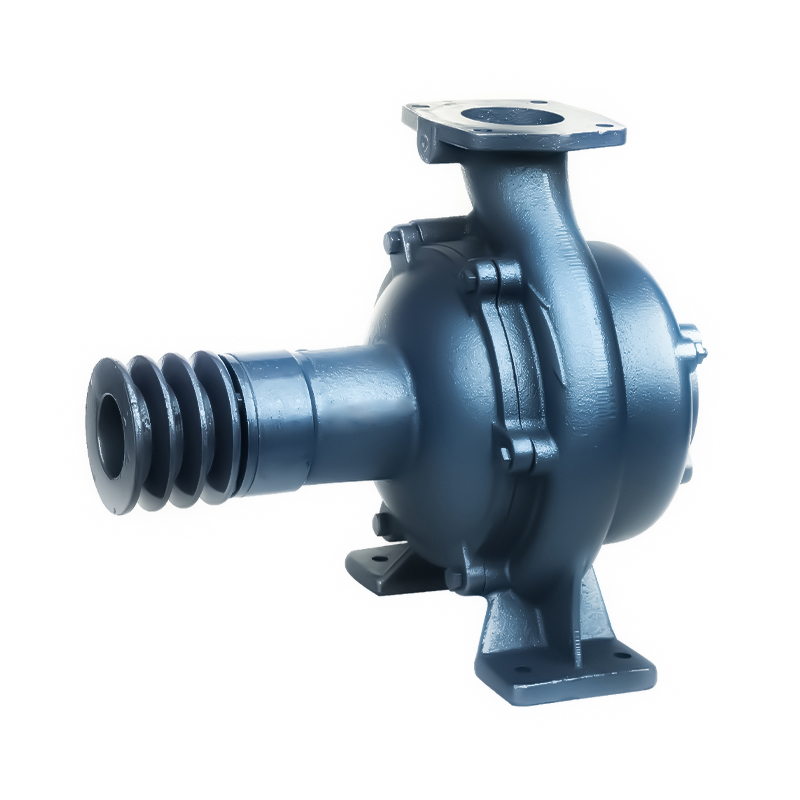
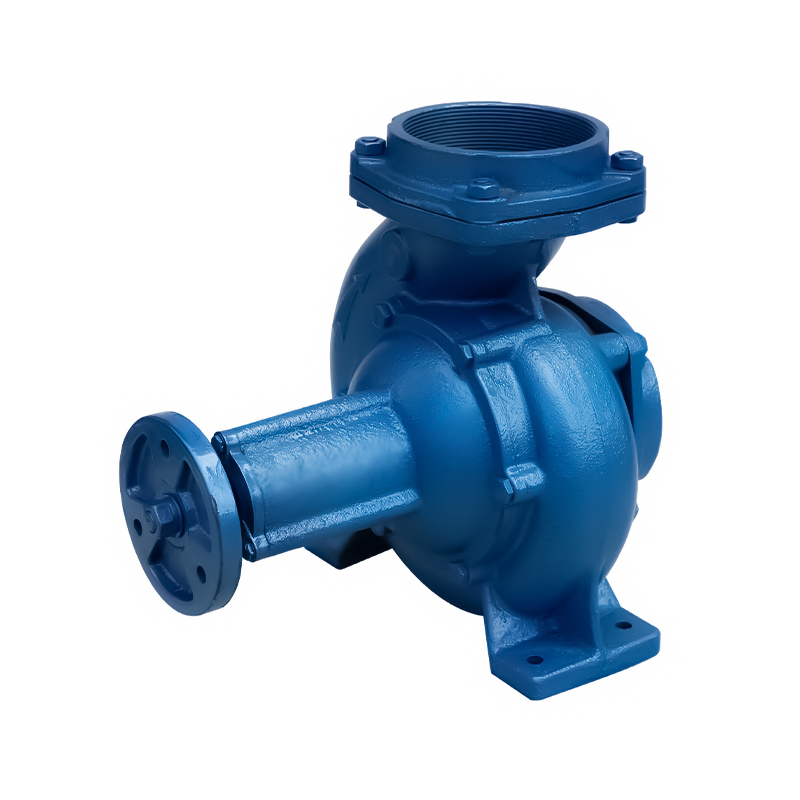
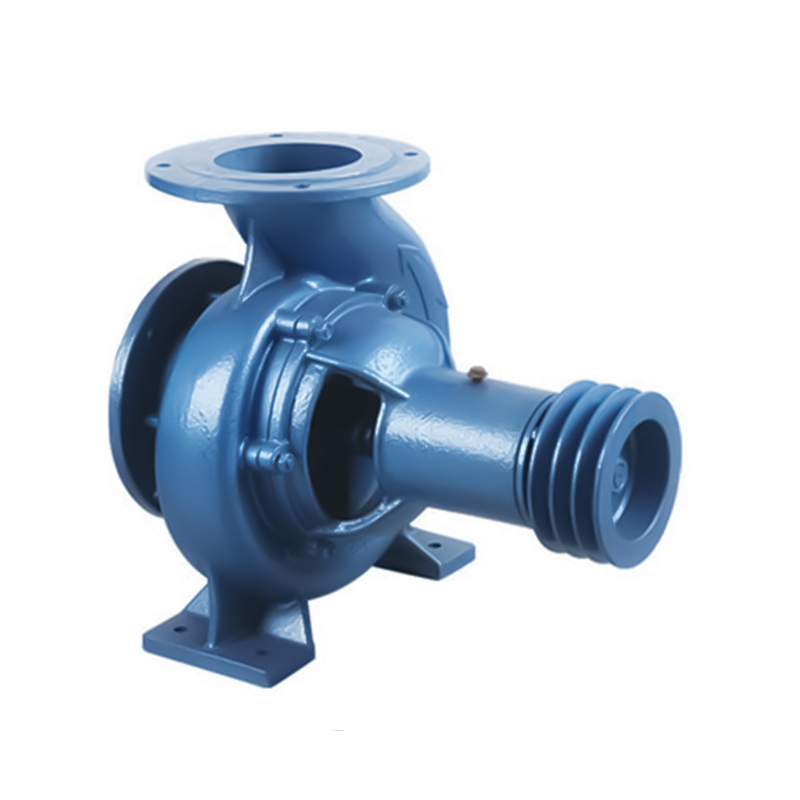
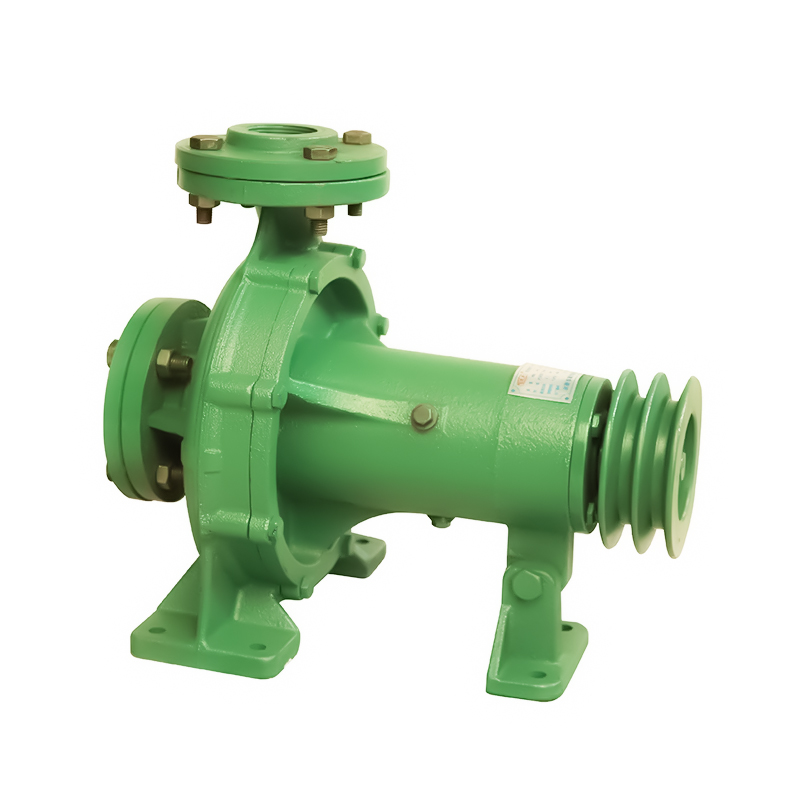
Agricultural water sources vary from open canals and farm ponds to reservoirs and storage tanks. Each source presents different challenges involving water quality, suction conditions, and delivery distance. Selecting the right Agricultural Centrifugal Pump requires understanding these differences before purchasing equipment. For agricultural distributors, irrigation contractors, and farm operators, a suitable pump configuration can improve water delivery and help prevent avoidable operating problems.

Evaluate the Water Source Before Selecting a Pump
The step is to identify where the water comes from and whether its characteristics change throughout the year. Canal water may contain sediment and plant debris, while stored water may have fluctuating levels that affect suction conditions.
Buyers should provide the manufacturer with information about water temperature, suspended particles, and expected seasonal variations. These details help determine whether standard pump construction is suitable or whether additional inlet protection or a different configuration is required.
Match Flow Rate to the Irrigation System
Different irrigation methods require different combinations of flow and pressure. Surface irrigation may prioritize water volume, whereas sprinkler systems need sufficient pressure to distribute water properly.
When comparing agricultural irrigation pumps, consider:
- Required water volume per operating period.
- Total dynamic head, including elevation and pipeline friction.
- Delivery pressure required by the irrigation equipment.
- Expected operating hours and seasonal demand.
Matching these requirements to the pump performance curve helps buyers avoid selecting equipment that cannot meet actual field conditions.
Consider Suction Lift and Installation Distance
When a pump draws water from an open source, the vertical distance between the water surface and pump inlet can affect performance. Long suction pipes, sharp bends, and restrictive fittings can further increase losses.
A properly designed suction line should be adequately sized, securely connected, and arranged to minimize unnecessary restrictions. Buyers should also verify the manufacturer's priming requirements and permissible suction conditions before installation.
Where the water source is far below the installation point, a different pump arrangement may be more appropriate than a conventional surface-mounted centrifugal pump.
Choose Suitable Materials for Water Conditions
Water quality influences component durability and maintenance requirements. Suspended sand can cause abrasive wear, while certain chemicals may affect seals and metal components.
For a centrifugal pump used in farming, buyers should discuss casing materials, impeller construction, and sealing options with the manufacturer. If the application involves abrasive solids or chemically treated water, compatibility should be confirmed rather than assumed.
Appropriate inlet screening may reduce the entry of larger debris, but it must be designed to avoid excessive suction resistance.
Improve Performance Through Proper Pipeline Design
Pump performance depends on the entire water delivery system, not just the equipment itself. Undersized pipes, unnecessary bends, and partially blocked valves increase resistance and may reduce discharge.
During system planning, consider pipe diameter, total pipeline length, elevation changes, and the number of outlets operating simultaneously. Correct pipeline design helps the pump operate closer to its intended conditions and supports more predictable irrigation performance.
Plan Maintenance Around Seasonal Demand
Agricultural pumps may operate intensively during planting and growing seasons, making preventive maintenance particularly important before peak demand begins.
Inspect seals, pipe connections, inlet screens, and motor condition according to the manufacturer's recommendations. Unusual noise, vibration, leakage, or changes in discharge pressure should be investigated promptly.
Keeping maintenance records also helps farm operators identify recurring problems and plan replacement parts before equipment failures interrupt water delivery.
Request Manufacturer Guidance Before Ordering
Choosing an agricultural water pump becomes easier when buyers provide complete application details. Water source, required flow, total head, liquid conditions, power supply, and installation layout all help establish realistic equipment requirements.
As a manufacturer, we recommend evaluating these factors before confirming a model. This approach allows purchasing teams to compare specifications accurately and identify potential installation challenges early.
A properly selected Agricultural Centrifugal Pump can support efficient irrigation, reliable water transfer, and manageable maintenance across different agricultural environments. By matching pump design to the water source and system requirements, buyers can make more informed procurement decisions and build a dependable water supply for their operations.

 Email:
 Phone:+86-13605899207