


 English
 русский
 Español

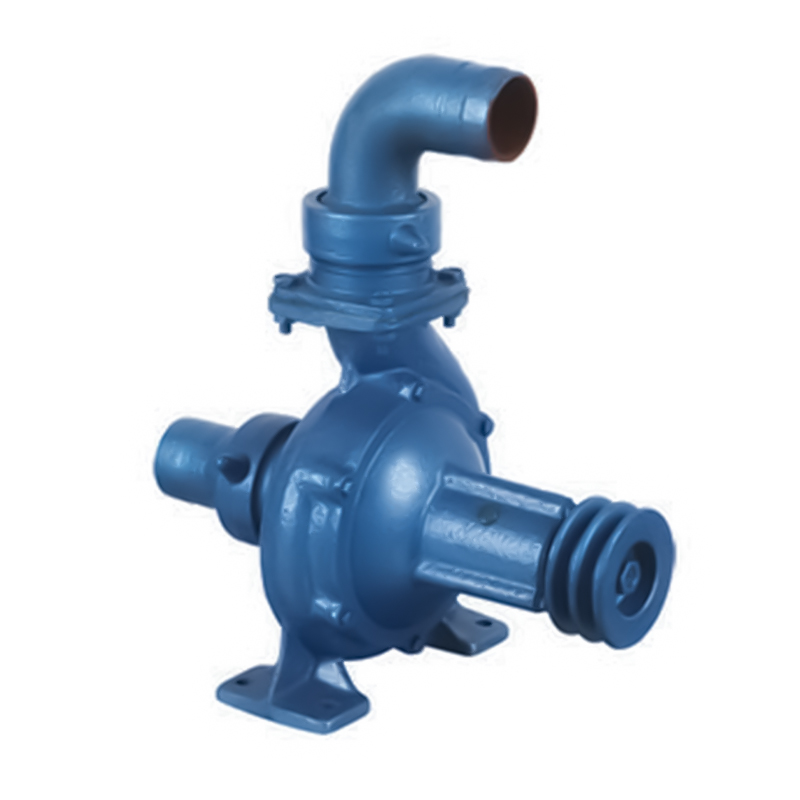
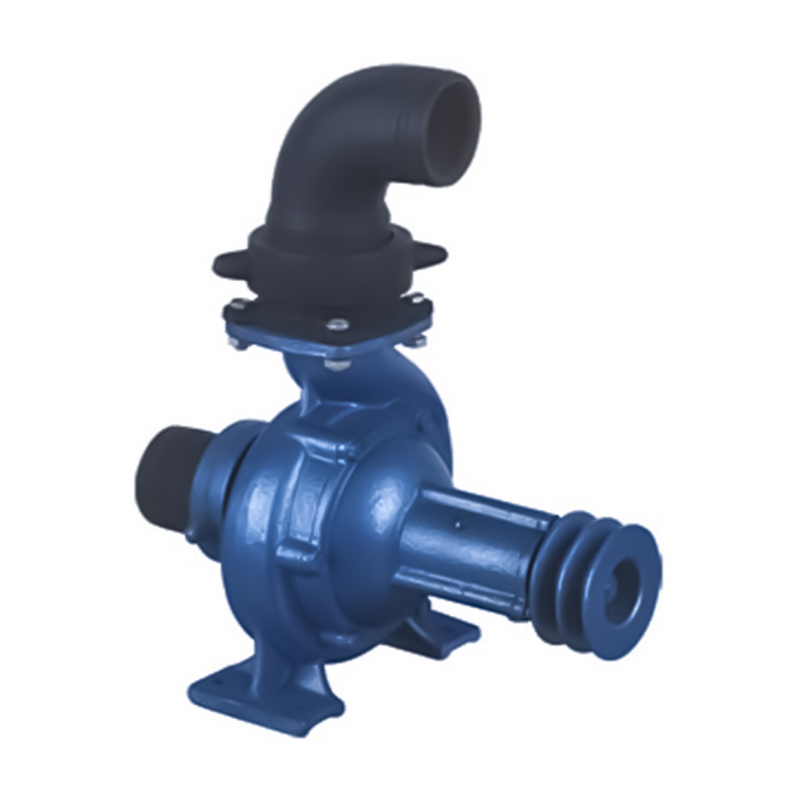
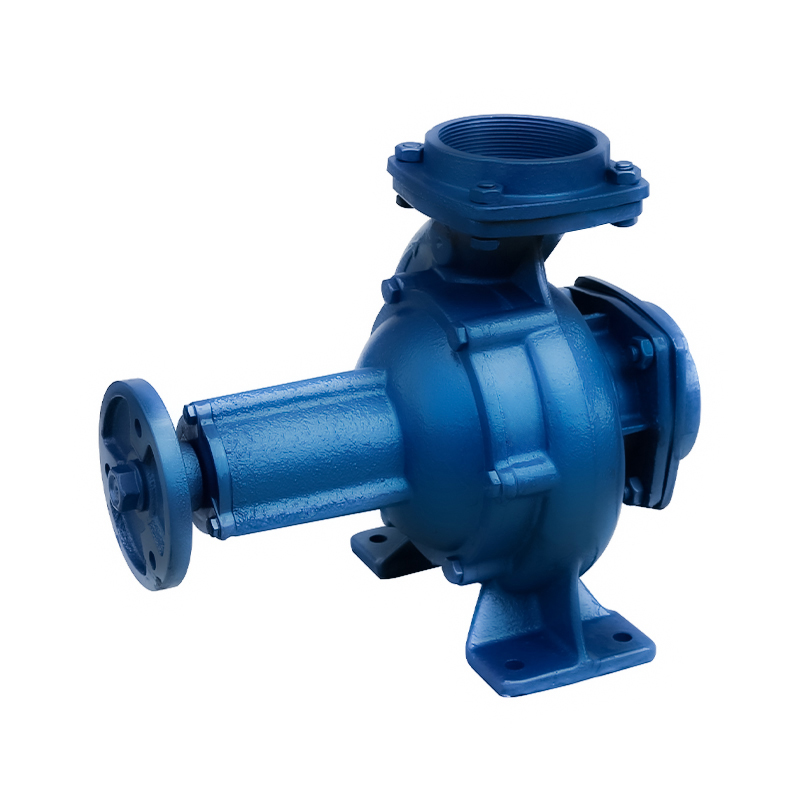
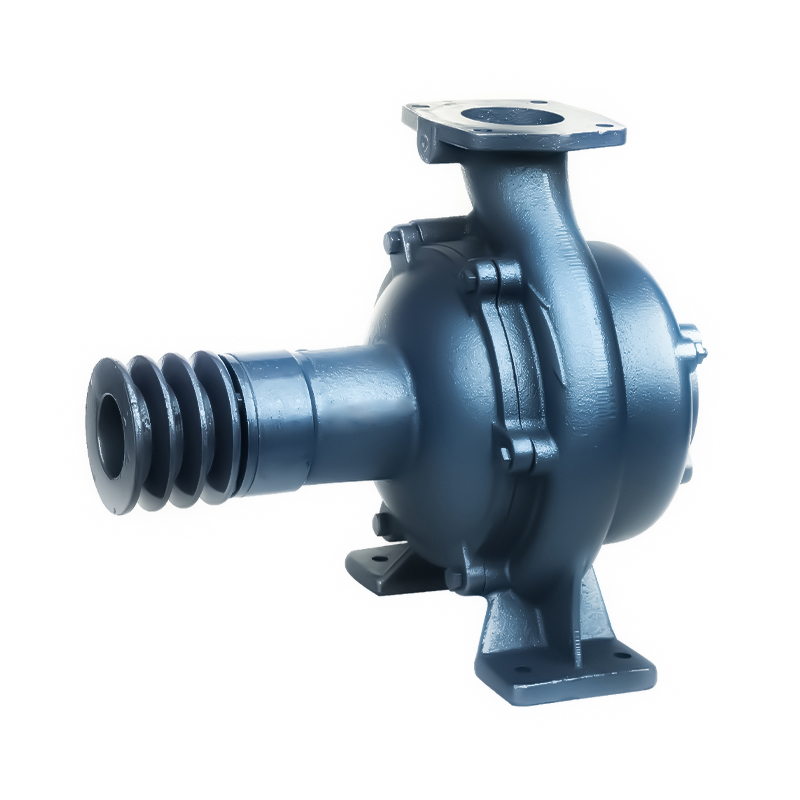
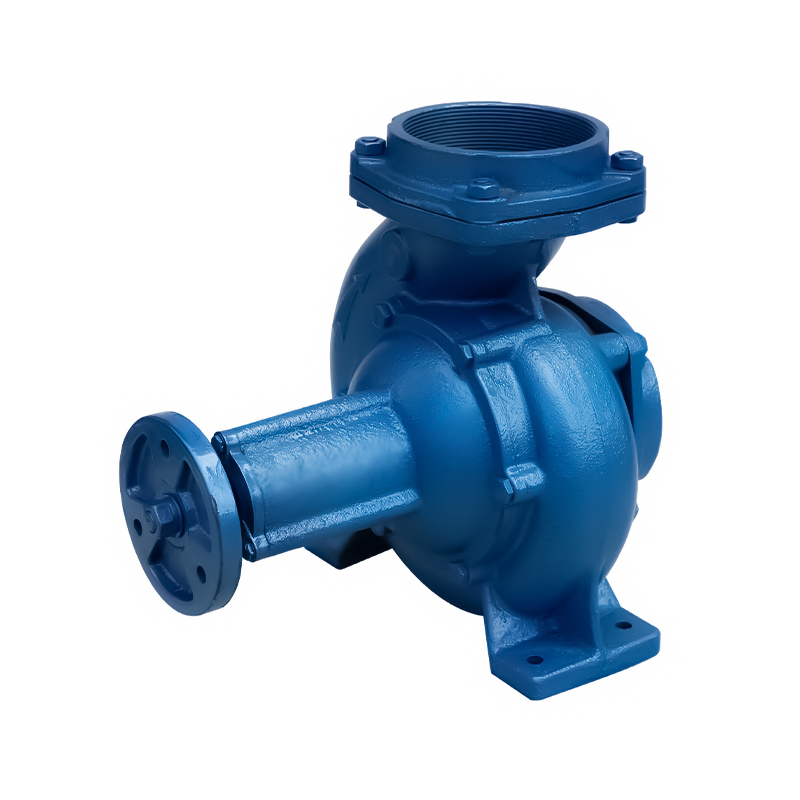
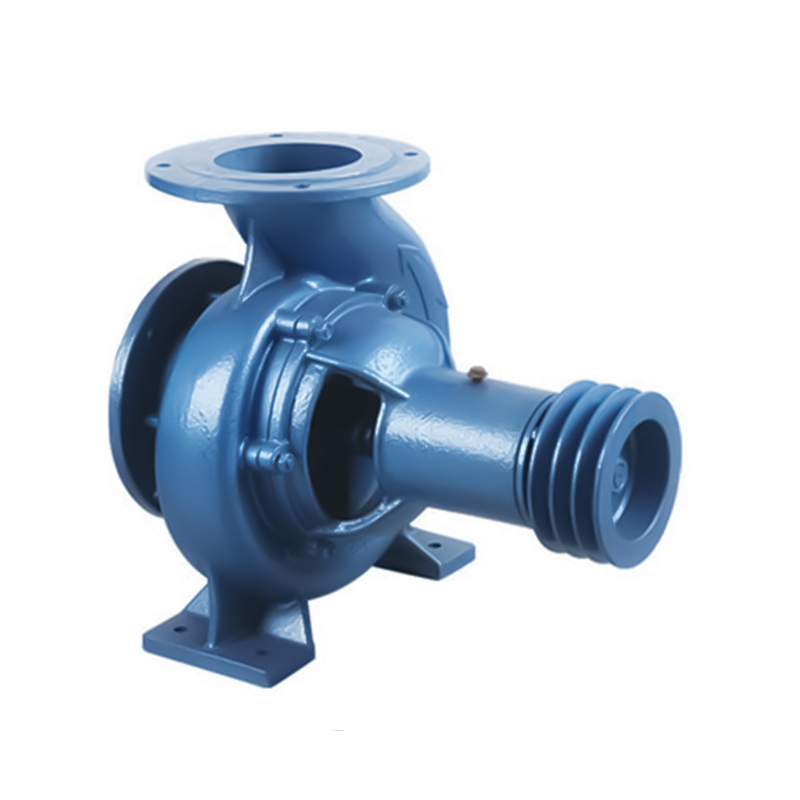
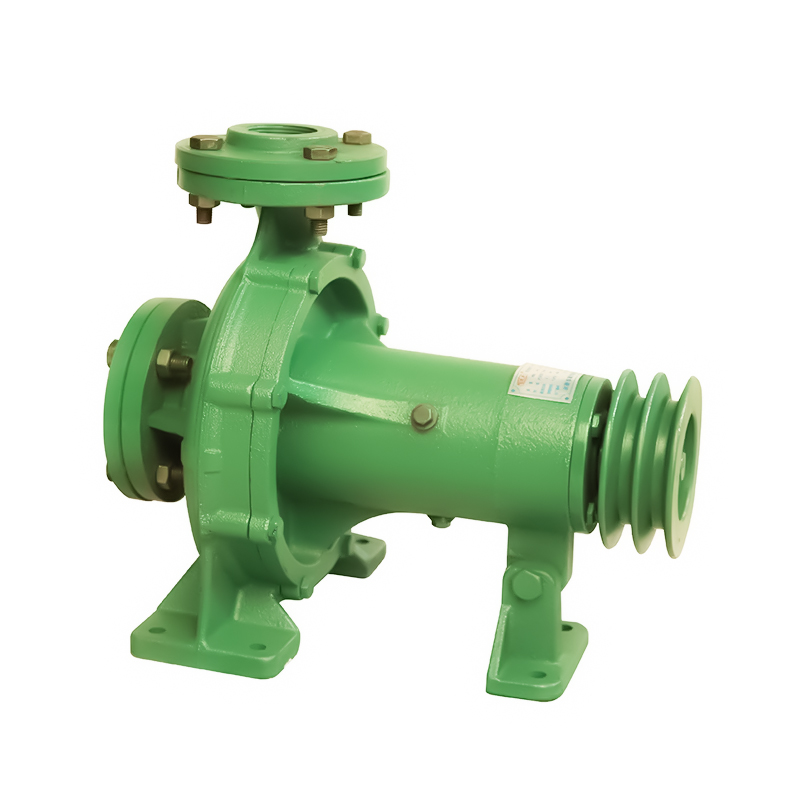
Reliable water delivery is essential for maintaining crop growth, especially during periods of high irrigation demand. For farms, agricultural contractors, and equipment distributors, unexpected pump failures can disrupt irrigation schedules and increase maintenance costs. An Agricultural Centrifugal Pump provides a practical solution for transferring water across agricultural systems, but its reliability depends on correct installation, suitable operating conditions, and timely maintenance.

Identify Early Signs of Pump Performance Loss
A gradual reduction in water flow does not always mean the pump needs replacement. Blocked inlet screens, leaking suction pipes, worn impellers, and changes in the water source can all affect performance.
When troubleshooting an agricultural irrigation pump, operators should compare current flow and discharge pressure with normal operating conditions. Checking the water level and inspecting the suction line can help identify simple problems before more extensive repairs become necessary.
Check Installation Conditions Before Startup
Incorrect installation can create problems even when the selected pump meets the required specifications. Poorly supported pipes may place additional stress on connections, while unsuitable suction arrangements can contribute to air entry and unstable flow.
Before commissioning, verify that the pump foundation is stable, the pipeline connections are secure, and the suction line is correctly sized. Confirm the required priming procedure and rotation direction according to the manufacturer's instructions. These checks help reduce avoidable startup problems.
Protect Components From Abrasive Particles
Agricultural water drawn from ponds, canals, and rivers may contain suspended sediment. Depending on particle size and concentration, these solids can accelerate wear on impellers, seals, and internal passages.
A suitable inlet screen can help prevent larger debris from entering the system, provided it does not create excessive suction resistance. For water containing significant abrasive material, buyers should consult the manufacturer about appropriate pump construction and application limits.
Monitor Operating Conditions to Reduce Energy Waste
Pump efficiency depends on the relationship between flow rate, total head, and the pump's operating point. A system that operates far from its intended performance range may experience unnecessary energy consumption and additional mechanical stress.
Farm operators should periodically review operating pressure, delivered water volume, and motor performance. Where irrigation demand varies, a compatible variable frequency drive may provide better flow control. Correct pump sizing remains important when designing a new agricultural water supply system.
Build a Maintenance Schedule Around Actual Usage
Maintenance requirements vary with water quality, operating hours, and environmental conditions. Instead of relying on occasional repairs, operators should establish regular inspections based on manufacturer recommendations.
Important tasks include checking for leakage, monitoring vibration and unusual noise, cleaning inlet screens, and inspecting electrical connections. Recording maintenance findings also helps identify recurring problems and supports better decisions about spare parts and servicing intervals.
Prepare Spare Parts Before Peak Irrigation Periods
Access to suitable replacement components can influence how quickly a pump returns to service. Agricultural businesses operating in remote locations may face additional delays when parts are not readily available.
When purchasing an agricultural centrifugal water pump, buyers should ask about recommended spare parts, seal availability, technical documentation, and after-sales support. Keeping commonly required components on hand can simplify maintenance planning, although the appropriate inventory depends on equipment design and operating conditions.
Work With a Manufacturer to Improve Reliability
Effective pump selection starts with accurate application information. Flow requirements, total head, water quality, power supply, and expected operating hours help determine whether a proposed model suits the installation.
As a manufacturer, we recommend reviewing these details before confirming an order. Our technical evaluation focuses on application suitability, operating conditions, and practical maintenance considerations.
A well-matched Agricultural Centrifugal Pump can help farms maintain dependable irrigation while managing maintenance demands and energy use. Combining correct installation, routine inspections, and appropriate manufacturer support gives agricultural buyers a practical foundation for more reliable water management.

 Email:
 Phone:+86-13605899207