


 English
 русский
 Español

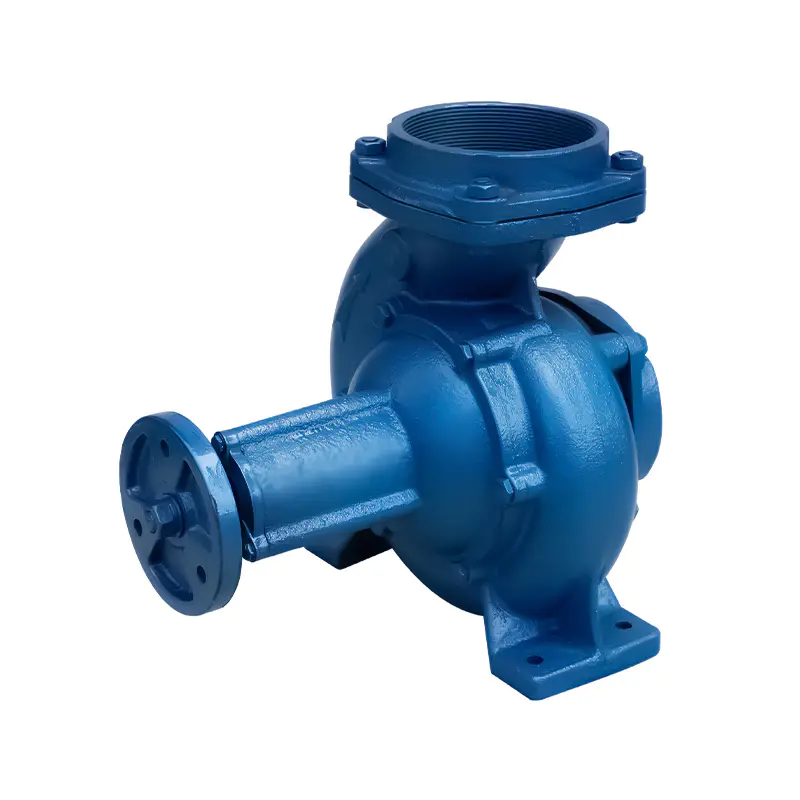
As water conservation becomes a growing concern in agriculture, drip irrigation is receiving more attention from growers, irrigation contractors and agricultural equipment distributors. However, efficient water delivery depends on more than drip lines and emitters. The pump plays an equally important role in maintaining stable water flow and suitable operating pressure. Choosing the right Drip Irrigation Centrifugal Pump can help prevent uneven irrigation, unnecessary energy consumption and frequent system maintenance. For agricultural equipment buyers, understanding pump selection and system compatibility is becoming an important part of planning reliable irrigation projects.
Why Pump Performance Matters in Modern Drip Irrigation
Drip irrigation delivers water directly to plant roots through pipes and emitters. Compared with traditional irrigation methods, it allows growers to manage water application more precisely. However, the system requires a suitable pressure range to operate correctly.
If the pump cannot provide sufficient flow or pressure, distant irrigation lines may receive less water than expected. Excessive pressure can also damage pipes, fittings or emitters.
A properly selected centrifugal pump helps maintain consistent water delivery across different irrigation zones, supporting crop management in greenhouses, orchards, vegetable farms and commercial agricultural projects.
Common Problems Buyers Should Consider
During irrigation system operation, several issues can affect pump performance and water distribution:
- Unstable water pressure: Incorrect pump selection or changing system resistance may cause uneven emitter discharge.
- Emitter blockage: Sand, organic particles and mineral deposits can restrict water flow.
- High energy consumption: An oversized pump may consume unnecessary power when actual irrigation demand is lower.
- Frequent maintenance: Poor water quality, unsuitable filtration and improper installation can increase maintenance requirements.
Recent agricultural irrigation research has also paid attention to emitter clogging and dynamic pressure management, highlighting the relationship between hydraulic conditions and long-term system performance.
How to Match Pump Flow and Head Requirements
When selecting a Drip Irrigation Centrifugal Pump, buyers should evaluate the complete irrigation layout rather than focusing only on the pump outlet size.
Important factors include:
- Total water demand across active irrigation zones.
- Required operating pressure of the drip emitters.
- Pipeline length, diameter and friction losses.
- Elevation differences between the water source and irrigation area.
- Additional resistance from filters, valves and fittings.
The pump's flow rate and total head should be evaluated together against its performance curve. This helps engineers determine whether the equipment can meet actual operating requirements without unnecessary pressure or capacity.
Filtration and Pump Protection Cannot Be Ignored
Water quality directly affects drip irrigation reliability. Water drawn from wells, ponds or reservoirs may contain suspended particles, algae and other contaminants.
Installing suitable filtration equipment before water enters the drip lines helps reduce the risk of emitter blockage. Depending on the water source, screen filters, disc filters or sand media filters may be considered.
From a manufacturer's perspective, we recommend evaluating the filtration arrangement together with pump capacity. Filter pressure loss, cleaning frequency and pipeline configuration should all be considered during system design.
Energy Efficiency and Practical Operation
Electricity costs remain an important consideration for farms operating irrigation equipment regularly. Rather than choosing a pump based on rated power alone, buyers should compare its operating efficiency at the required flow and head.
For systems with changing irrigation demand, engineers can also evaluate variable-frequency control where compatible with the motor and pump configuration. This allows pump output to respond more closely to actual water requirements.
Proper pipe sizing, leak inspection and regular pressure monitoring can further reduce avoidable energy losses.
What Manufacturers Should Help Buyers Confirm
Before placing a bulk order, distributors and project contractors should request clear technical information from suppliers.
Key details include pump materials, motor specifications, flow-head curves, operating conditions, installation requirements and available protection features.
As a pump manufacturer, we believe product selection should start with the customer's actual irrigation conditions. Understanding the water source, required delivery distance and application environment helps avoid mismatched equipment and unnecessary operating adjustments.
Maintenance for Long-Term Irrigation Reliability
Routine inspection helps identify problems before they affect the entire irrigation system. Operators should check inlet conditions, filter cleanliness, unusual vibration, leakage and pressure changes.
Pump priming requirements should also be followed according to the product design. Centrifugal pumps that are not self-priming generally need their casing filled with water before startup.
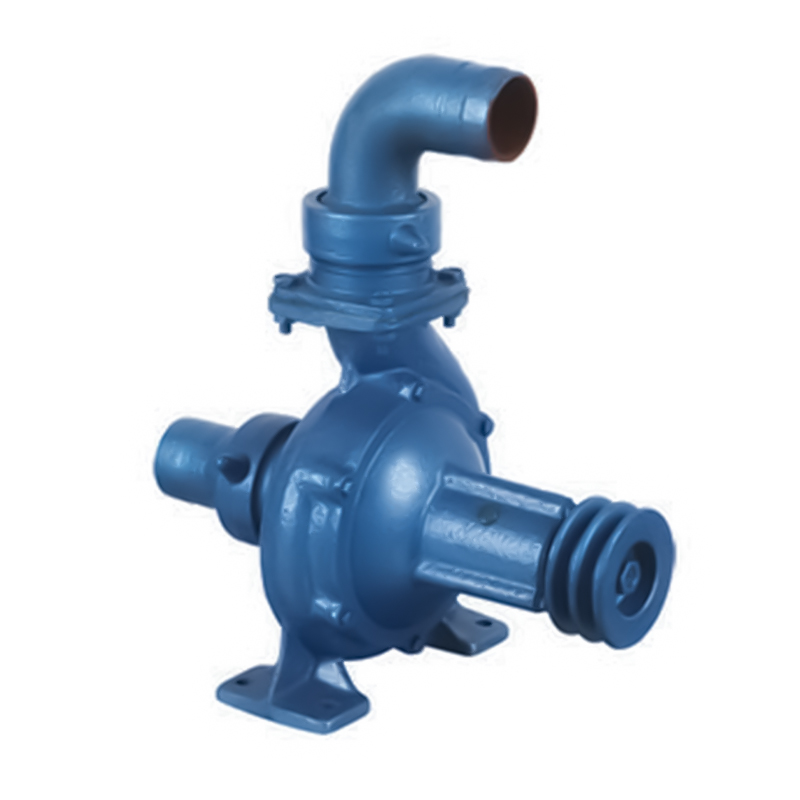
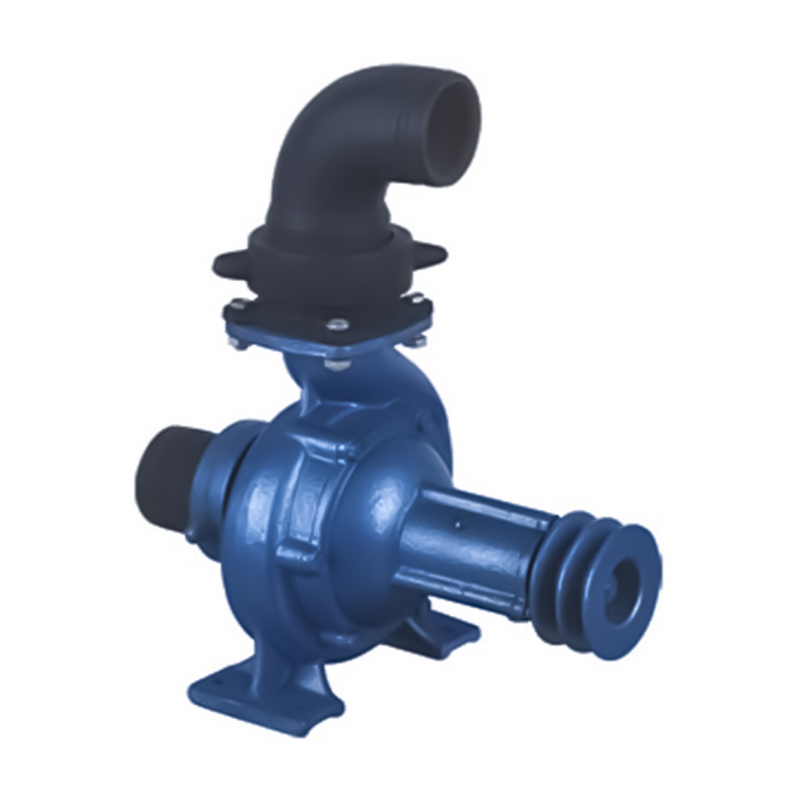
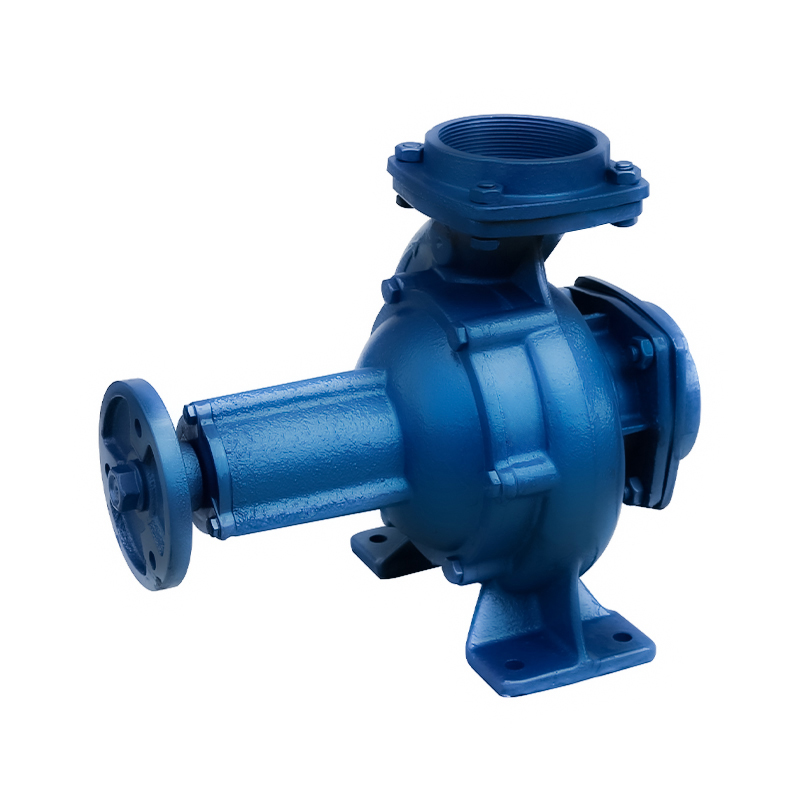
For agricultural buyers planning new installations or replacing existing equipment, a suitable Drip Irrigation Centrifugal Pump should be selected according to real flow demand, pressure requirements and water conditions. Working with an experienced manufacturer can help ensure better equipment compatibility and more reliable irrigation system operation.

 Email:
 Phone:+86-13605899207