


 English
 русский
 Español

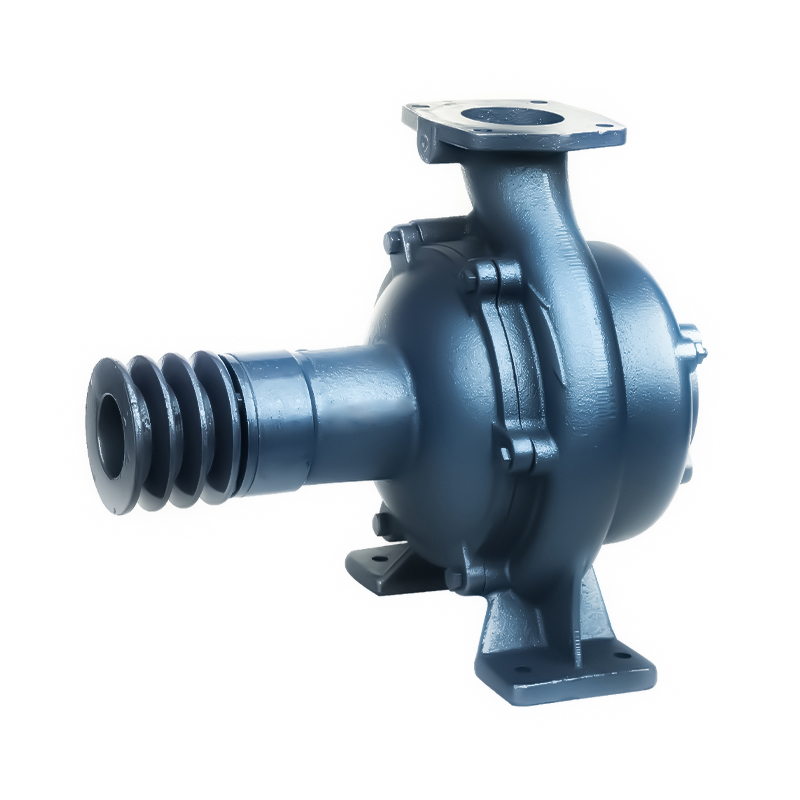
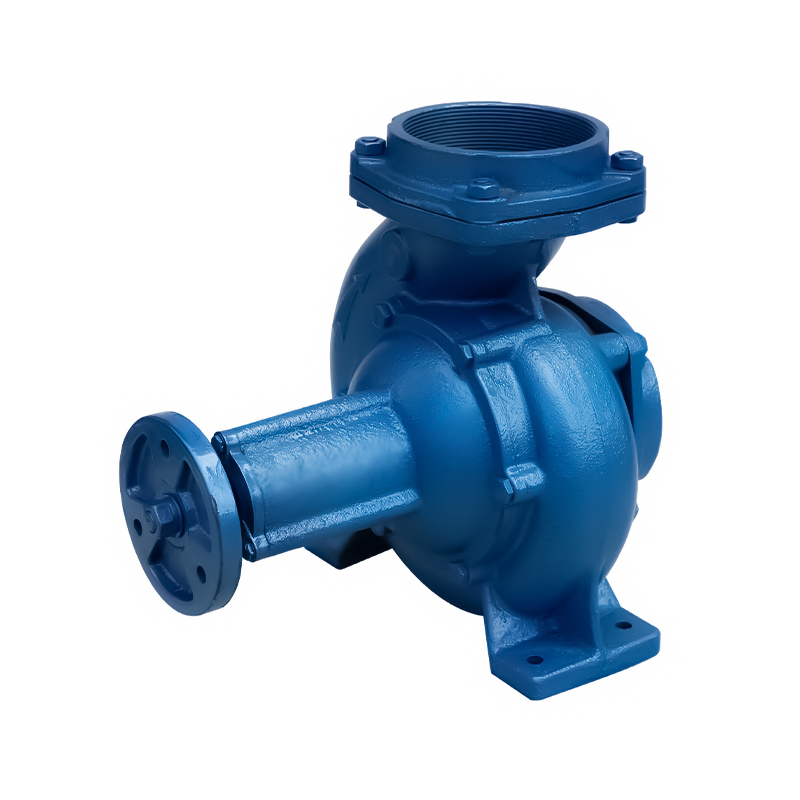
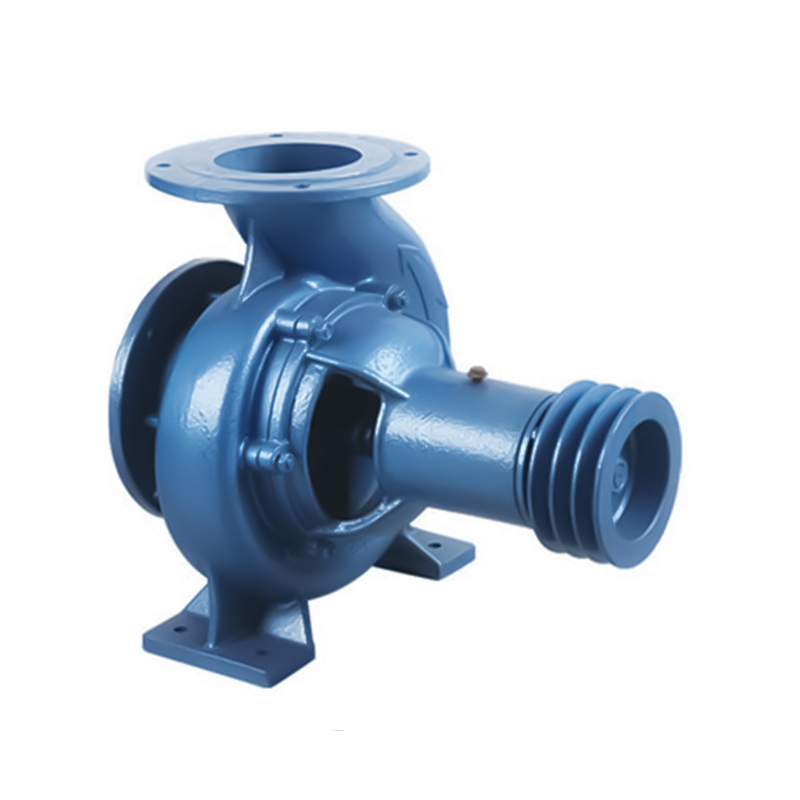
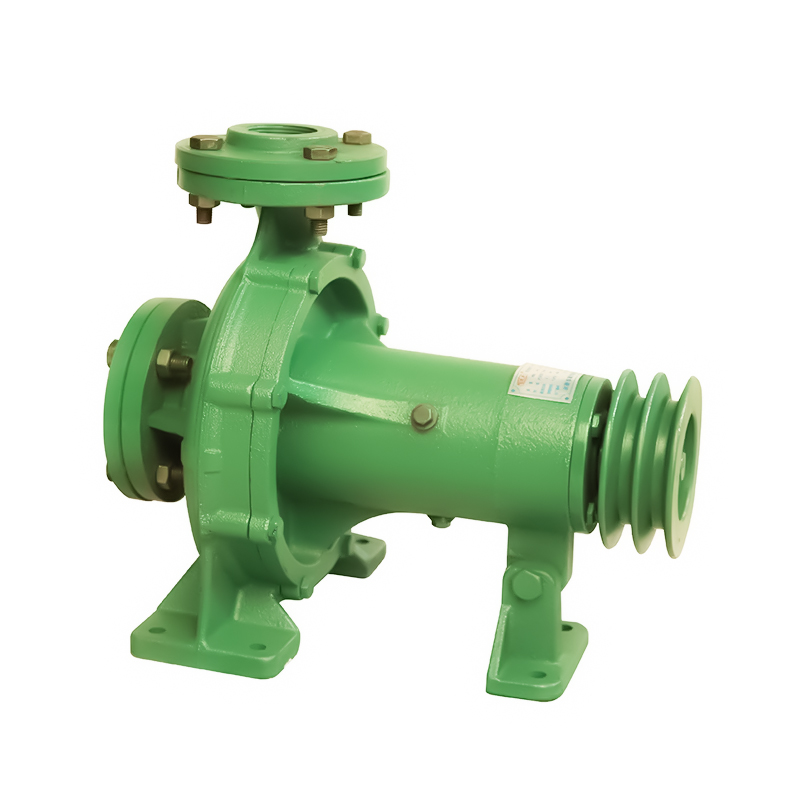
Water sources vary from one agricultural project to another. Some farms use groundwater, while others depend on rivers, storage tanks, ponds, or agricultural reservoirs. These differences can affect pump installation, water delivery, and maintenance requirements. When selecting a Drip Irrigation Centrifugal Pump, agricultural equipment buyers should look beyond the required flow rate and consider where the water comes from and what condition it is in. Matching the pump to the water source helps reduce operating difficulties and supports more reliable irrigation.
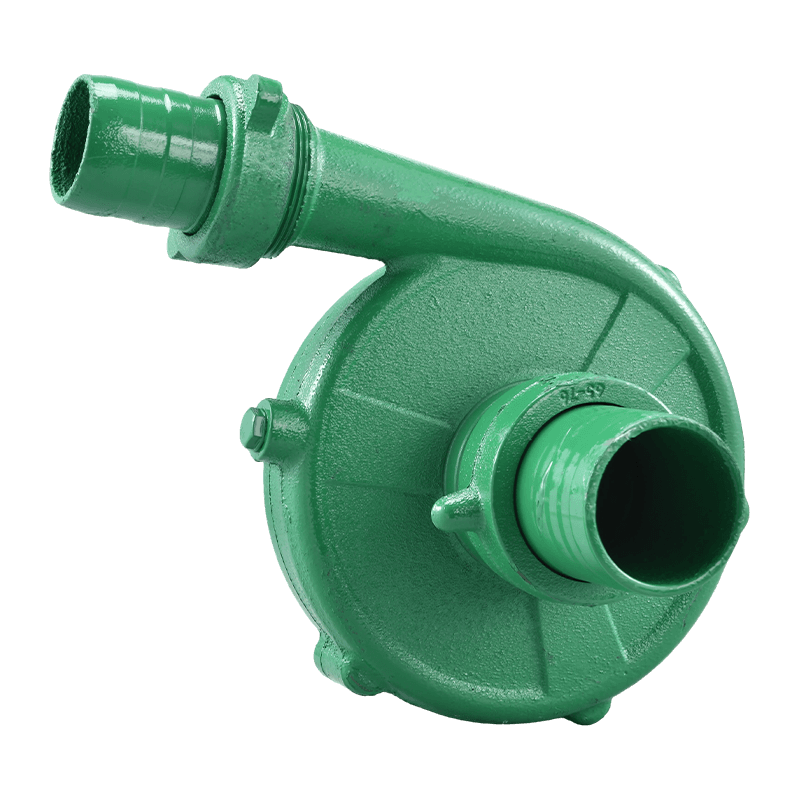
Groundwater Requires Careful Suction Planning
Groundwater is commonly used in agricultural irrigation, particularly in areas where surface water is limited. However, the distance between the water level and the pump inlet can influence suction performance.
Before purchasing a centrifugal irrigation pump, buyers should check the actual pumping water level rather than relying only on the well depth. Suction pipe length, pipe diameter, and installation height should also be considered. Excessive suction resistance may cause unstable operation or cavitation.
For deeper wells, a conventional surface-mounted centrifugal pump may not be suitable. A submersible pump or another pump configuration may be more appropriate depending on the project conditions.
Surface Water Needs Suitable Filtration
Rivers, ponds, and reservoirs can provide sufficient water for farms, but their water quality may change with rainfall, seasons, and surrounding agricultural activities.
Sand, leaves, algae, and organic debris can enter the irrigation system if water is not properly treated. These particles may affect pump components and block drip emitters.
We recommend evaluating water quality before finalizing the equipment configuration. Depending on the source, buyers can consider suction screens, sand separators, and disc filters. The filtration arrangement should match the water characteristics and irrigation system requirements.
Storage Tanks Can Change Pump Installation Requirements
Some farms use storage tanks to collect rainwater or store water before irrigation. In these applications, the pump is often installed near the tank outlet.
The installation layout should allow sufficient water to enter the pump without unnecessary resistance. Buyers should pay attention to inlet pipe dimensions, valve arrangements, and the vertical distance between the water level and pump position.
A properly designed inlet pipeline helps maintain smooth water intake and reduces the risk of air entering the system.
Consider Seasonal Changes in Water Availability
Water availability is not always consistent throughout the year. During dry periods, rivers and reservoirs may experience lower water levels, while groundwater levels can also fluctuate.
These changes may affect the pump's operating conditions. Agricultural buyers should consider the expected water level when planning pump installation. They should also check whether the selected equipment can meet irrigation demand under changing site conditions.
For farms with seasonal water shortages, combining water storage facilities with a suitable pumping arrangement may provide greater flexibility.
Maintenance Should Match the Water Source
Different water sources create different maintenance requirements. Pumps handling relatively clean water may need less frequent cleaning than equipment connected to sediment-rich surface water.
Operators should establish a regular inspection routine, including checking:
- Suction strainers and filtration equipment.
- Pump inlet connections for air leakage.
- Mechanical seals and visible water leakage.
- Unusual noise, vibration, or temperature changes.
- Water flow changes during normal operation.
These checks help identify developing problems before they interrupt irrigation schedules.
Discuss Project Conditions Before Ordering
For distributors, agricultural contractors, and wholesale buyers, providing clear application information helps manufacturers recommend suitable equipment. Important details include water source type, pumping distance, installation height, required flow rate, operating head, and motor power supply.
As a manufacturer, we encourage buyers to share these details before confirming an order. This makes it easier to evaluate pump configuration, material options, and installation requirements.
Choosing a Drip Irrigation Centrifugal Pump based on actual water source conditions can help agricultural projects avoid unnecessary equipment adjustments and maintain a more dependable water supply throughout the growing season.

 Email:
 Phone:+86-13605899207