


 English
 русский
 Español
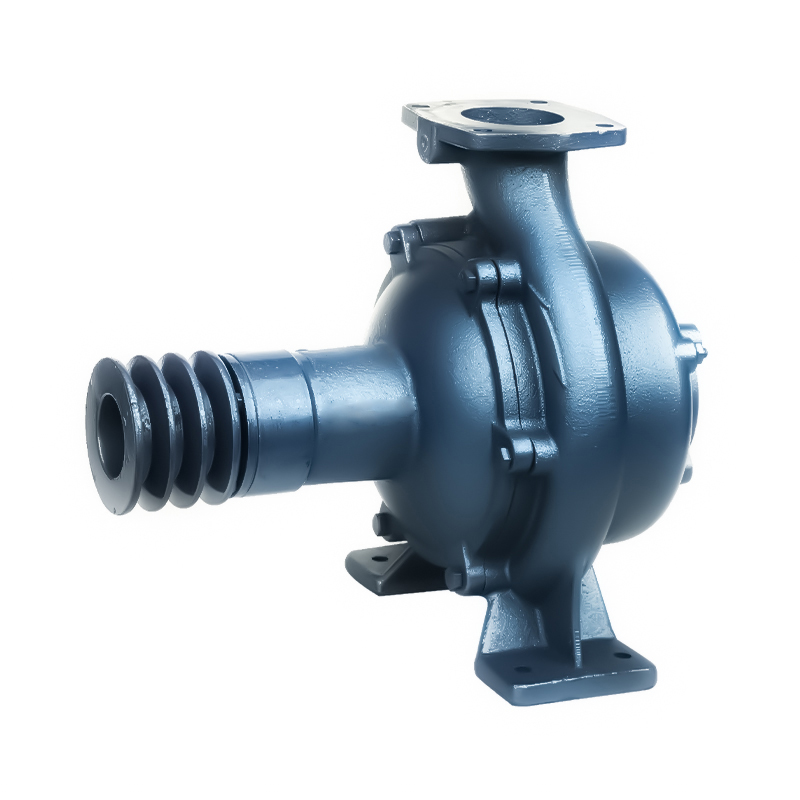
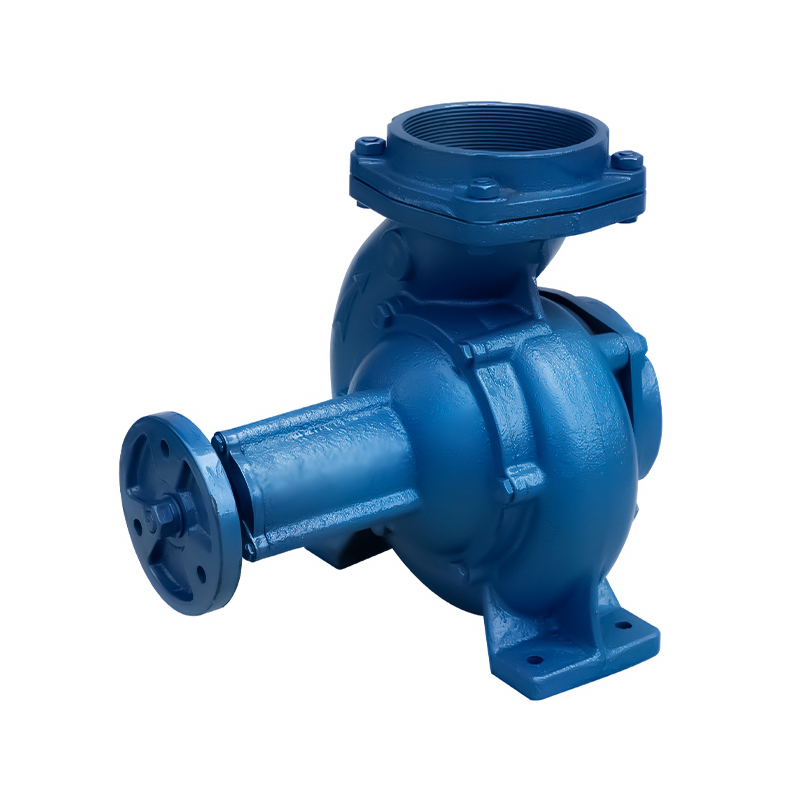
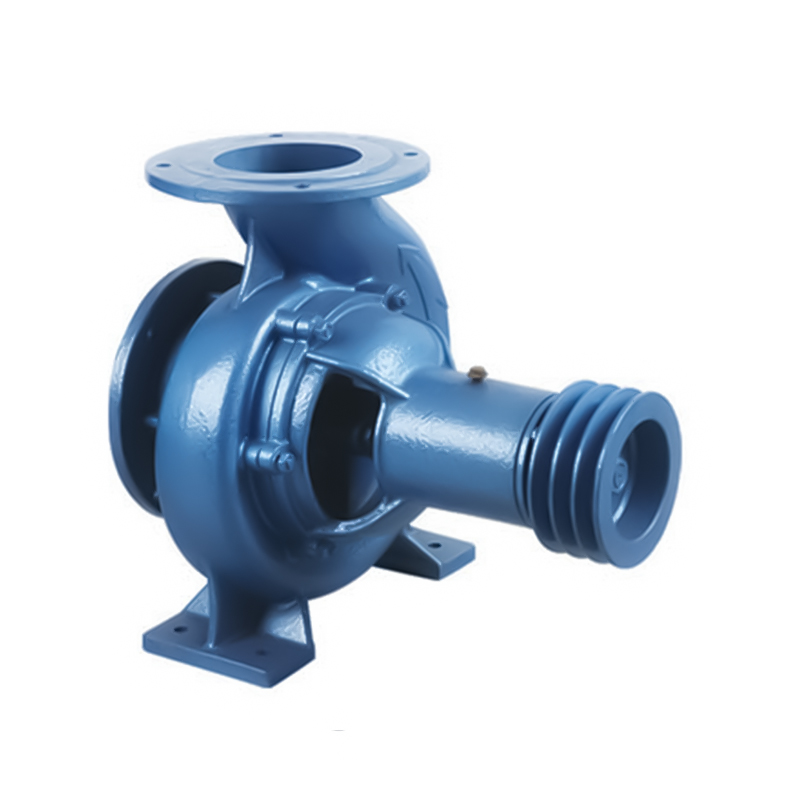
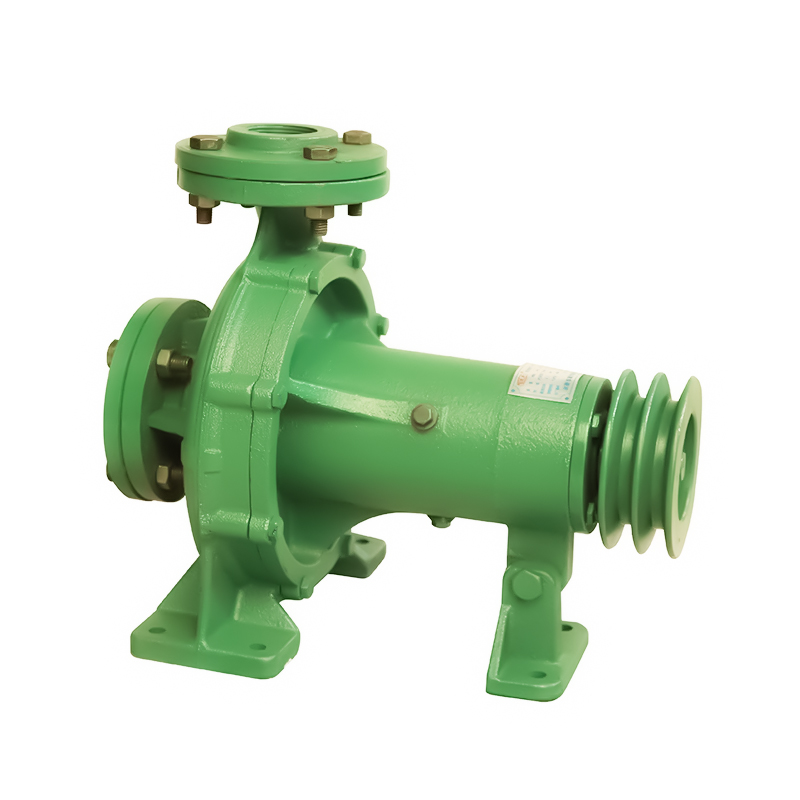
Modern agriculture and landscape irrigation systems are facing increasing pressure to use water more efficiently while maintaining stable plant growth. For farms, greenhouse projects, and commercial landscaping applications, irrigation equipment needs to provide consistent water delivery without adding unnecessary maintenance costs. A reliable Drip Irrigation Centrifugal Pump plays an important role in supporting drip systems by helping maintain proper water flow, pressure balance, and long-term operation. Many buyers are now focusing on pump selection, energy efficiency, and system compatibility when searching for solutions such as a centrifugal pump for drip irrigation systems.
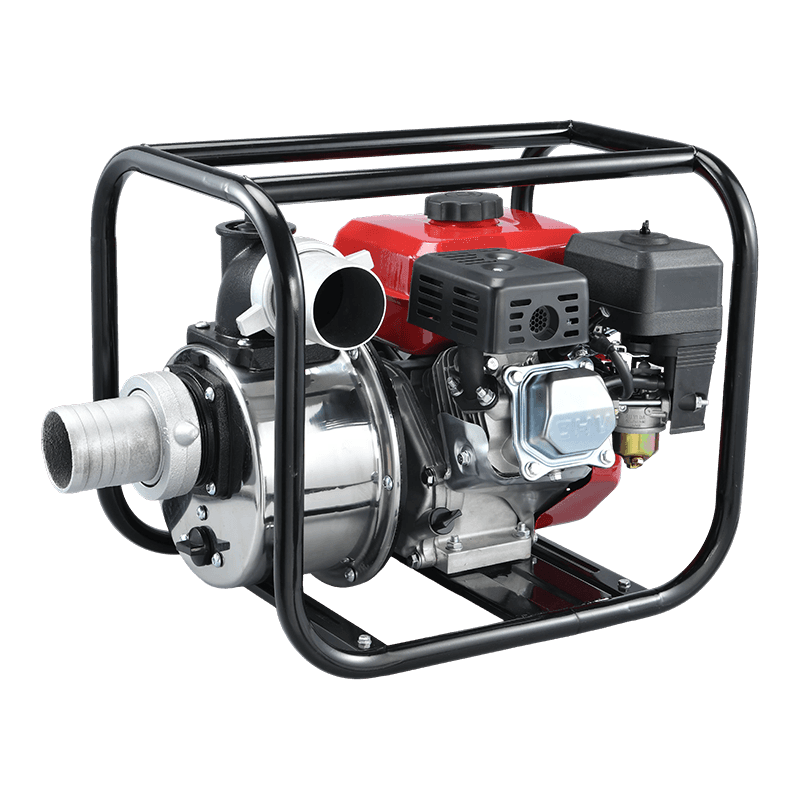
Supporting Stable Water Flow in Drip Irrigation Applications
Drip irrigation depends on controlled water distribution through pipes, emitters, and filtration units. Unlike traditional watering methods, drip systems require a stable supply to ensure each irrigation point receives an appropriate amount of water. An unsuitable pump may cause pressure fluctuations, uneven irrigation, or frequent adjustments during daily operation.
A well-designed irrigation centrifugal pump helps create a steady water supply for different agricultural environments. When selecting a pump, engineers usually consider factors such as flow capacity, pressure requirements, water source conditions, and the layout of the irrigation network. These details help create a system that matches the actual application instead of relying on general equipment choices.
Common Challenges in Pump Selection for Irrigation Projects
Many overseas buyers encounter similar challenges when upgrading irrigation systems. The pump must work efficiently with pipes, filters, and control devices while adapting to different water sources.
Key points that often influence purchasing decisions include:
- Compatibility with drip irrigation pipelines and fittings
- Stable performance under continuous working conditions
- Easy maintenance for long-term operation
- Suitable materials for different water environments
- Flexible installation options for various projects
Understanding these factors allows buyers to avoid problems caused by incorrect pump sizing or unsuitable configurations.
Improving Energy Efficiency Through Proper System Matching
Energy consumption is an important consideration for agricultural and commercial irrigation users. A pump that does not match the irrigation system may consume additional power while failing to provide the required pressure.
Manufacturers and engineers often evaluate the complete irrigation layout before recommending equipment. Pipe distance, elevation changes, water demand, and operating hours all affect pump performance. Choosing a suitable Drip Irrigation Centrifugal Pump based on these conditions can help create a more balanced system with smoother operation.
For large irrigation projects, regular inspection of pump components, electrical connections, and filtration systems also helps maintain consistent performance over time.
Adapting to Different Irrigation Environments
Drip irrigation projects are used in many environments, including vegetable farms, orchards, greenhouses, and urban planting areas. Each application has different requirements depending on climate, water availability, and planting methods.
For example, greenhouse growers may focus on precise water control, while open-field farmers may need equipment that can support longer irrigation cycles. A flexible irrigation pump solution allows users to adjust their systems according to seasonal changes and production needs.
Pump design, material selection, and manufacturing processes all influence how well the equipment performs in different working environments.
Maintenance Practices That Help Extend Pump Service Life
Proper maintenance can reduce unexpected downtime and improve the reliability of irrigation equipment. Many pump issues are related to blocked filters, improper installation, or delayed inspections rather than the pump itself.
Recommended maintenance practices include:
- Checking filters regularly to prevent blockage
- Inspecting seals and connections for possible leakage
- Monitoring unusual noise or vibration during operation
- Cleaning internal components according to usage conditions
These simple steps help irrigation users maintain stable water delivery and reduce operational interruptions.
Meeting Global Demand for Smarter Irrigation Equipment
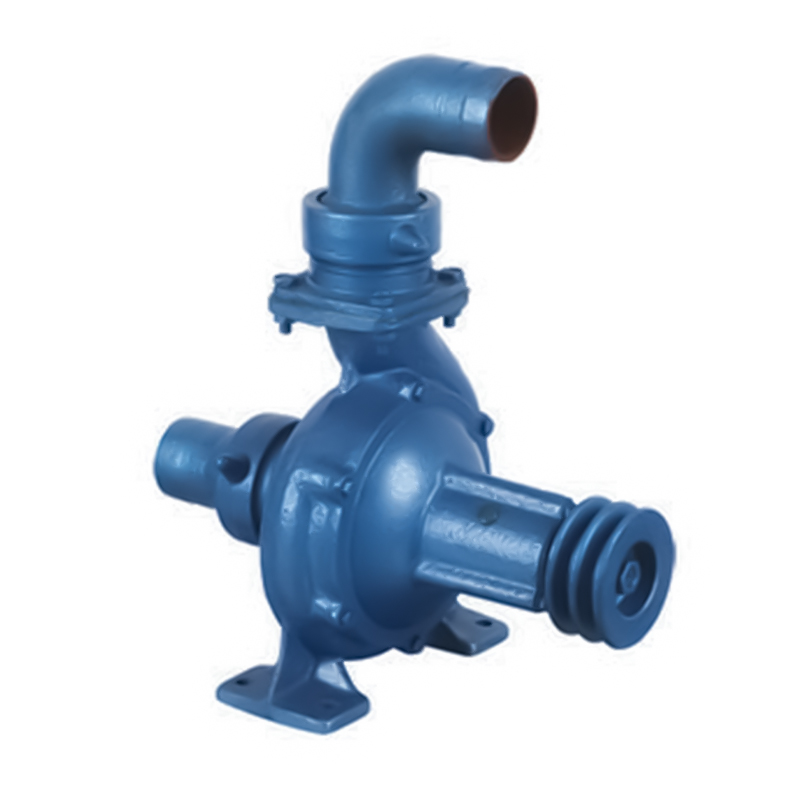
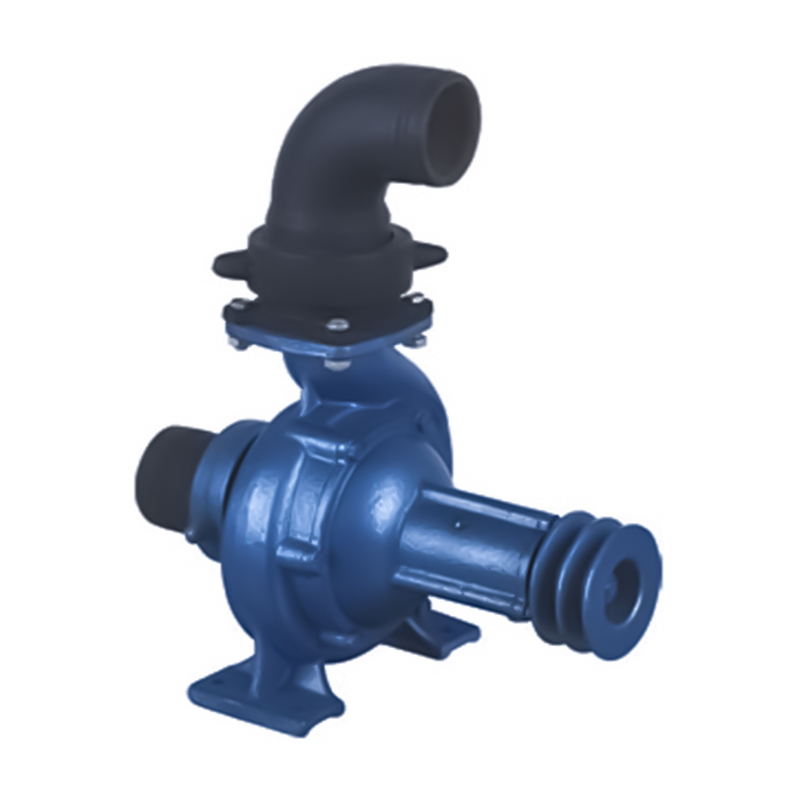
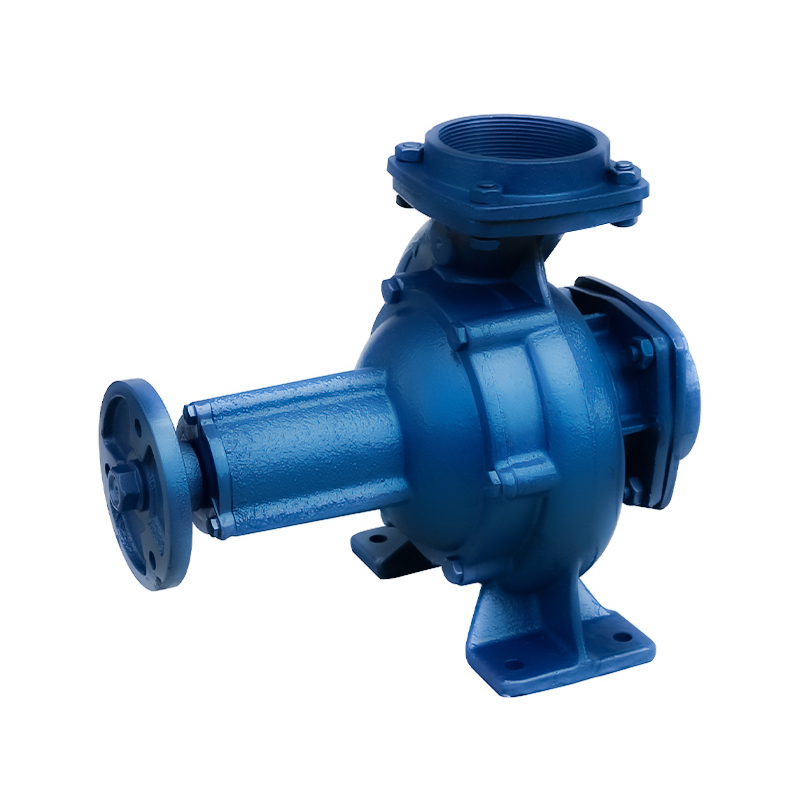
With growing attention toward water management and sustainable farming practices, international buyers are looking for irrigation solutions that combine practical performance with easier management. A dependable centrifugal pump for drip irrigation systems supports efficient water distribution and helps users build irrigation networks suited to modern agricultural needs.
As irrigation technology continues to develop, pump manufacturers are focusing on product reliability, application flexibility, and user-friendly designs. Selecting the right Drip Irrigation Centrifugal Pump allows farmers, engineers, and project contractors to create irrigation systems that deliver consistent performance while supporting responsible water use.

 Email:
 Phone:+86-13605899207