


 English
 русский
 Español
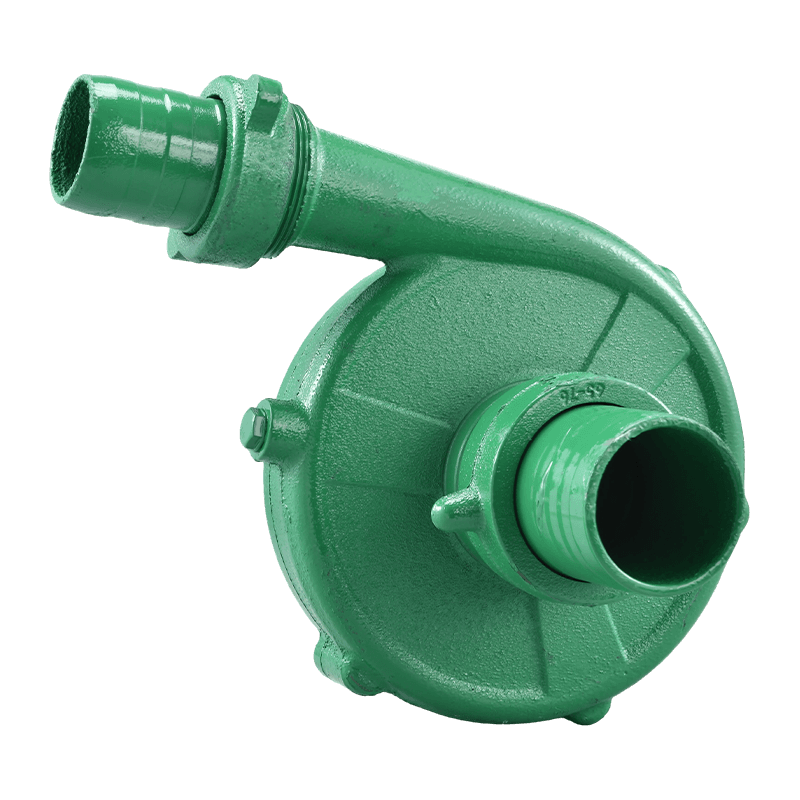
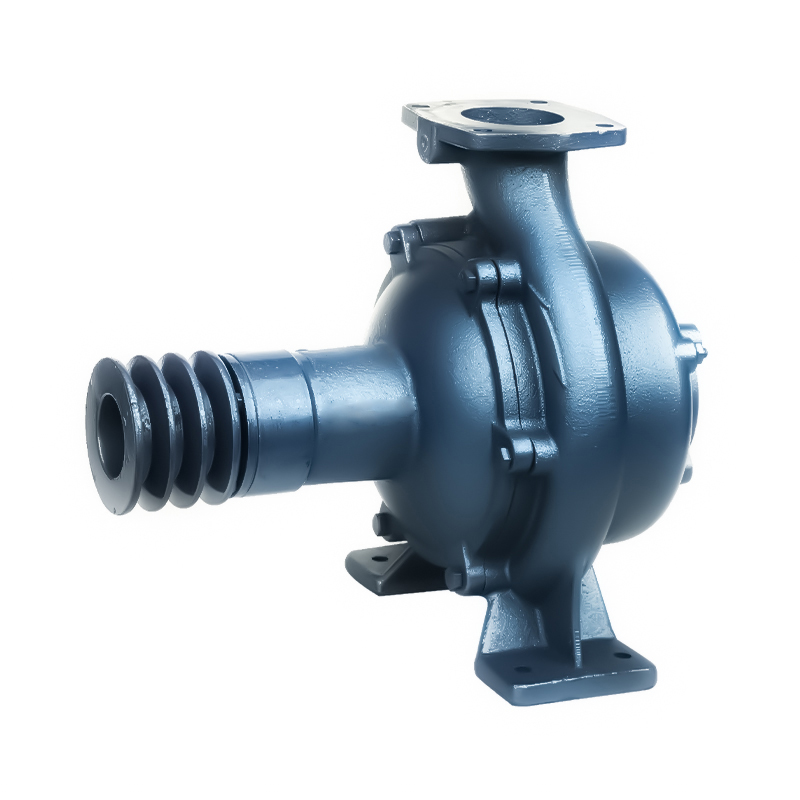
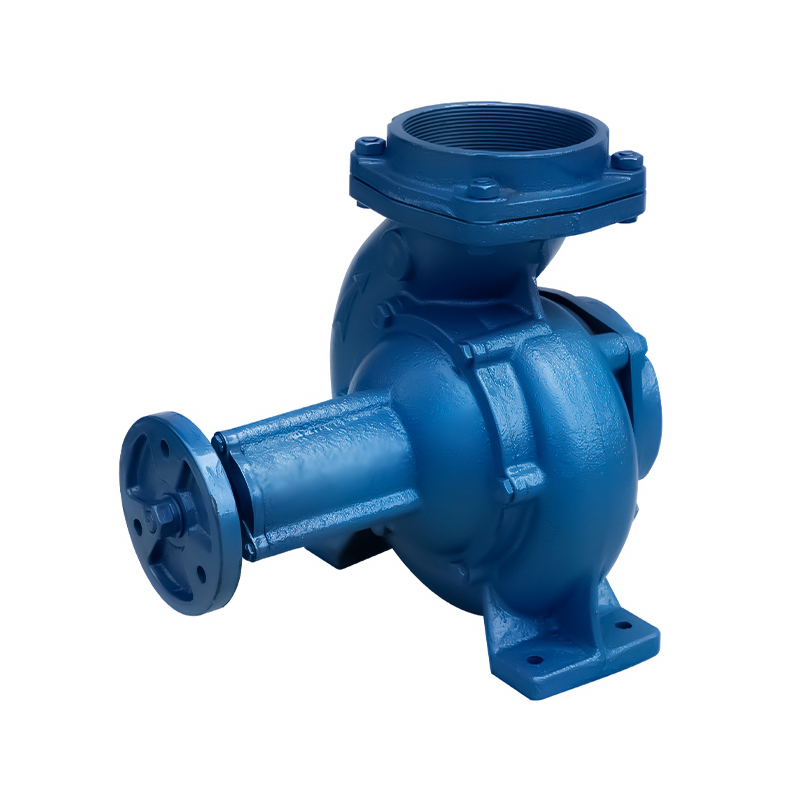
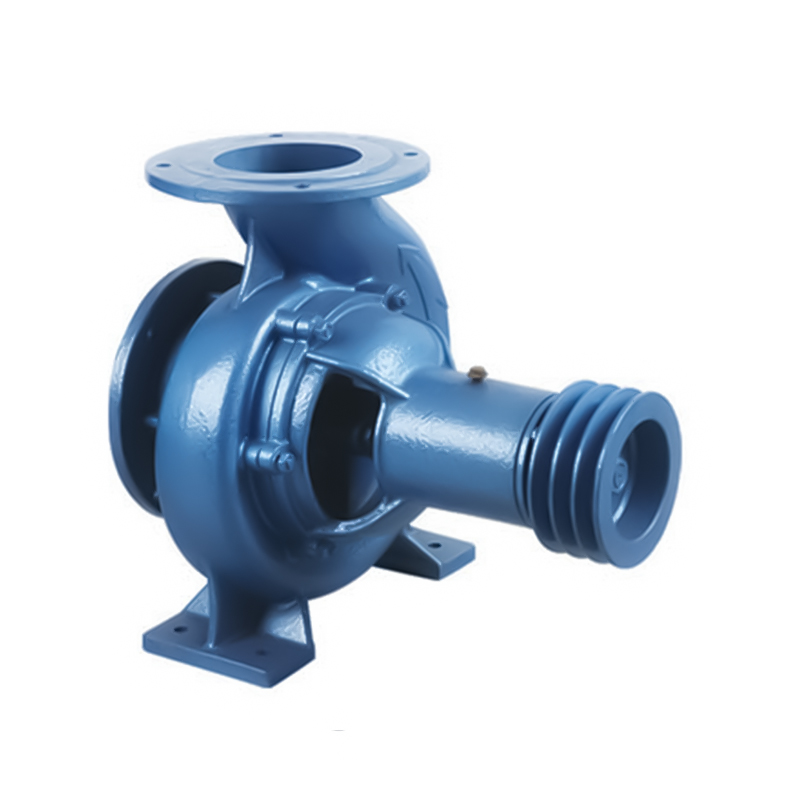
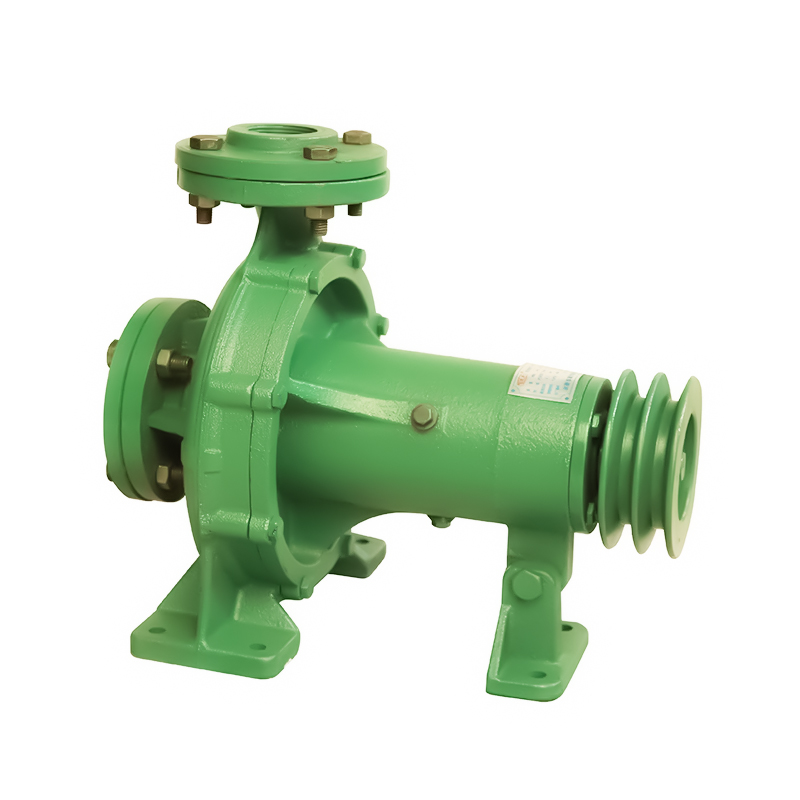
Water management has become a key focus for farmers, greenhouse operators, and landscape professionals as irrigation systems become more precise and resource-conscious. Many buyers are paying closer attention to equipment that can maintain stable pressure, reduce maintenance needs, and fit different application environments. A properly selected Drip Irrigation Centrifugal Pump helps improve water delivery efficiency by supporting consistent flow across irrigation networks. For users searching for a reliable centrifugal pump for drip irrigation systems, understanding practical selection factors and operating conditions can make a significant difference in long-term system performance.
Matching Pump Performance with Real Irrigation Needs
A common challenge in drip irrigation projects is choosing a pump based only on basic specifications without considering the complete system design. Water source distance, pipeline length, elevation changes, and the number of irrigation zones all influence pump requirements.
A suitable irrigation pump should work together with filters, pipes, and emitters to maintain balanced water distribution. When pump output does not match system demand, users may experience uneven watering, pressure instability, or unnecessary energy consumption.
For agricultural buyers and project engineers, evaluating the entire irrigation layout before selecting equipment helps create a more reliable solution. This approach is especially useful for farms that expand planting areas or upgrade existing irrigation networks.
Addressing Pressure Stability in Drip Irrigation Projects
Pressure control is one of the main concerns in drip irrigation applications. Drip emitters are designed to deliver water at a controlled rate, meaning sudden pressure changes can affect irrigation consistency.
A suitable centrifugal irrigation pump provides steady water movement and supports smoother operation during different irrigation cycles. Engineers often consider pump capacity, operating environment, and water quality when designing systems for vegetable farms, orchards, nurseries, and greenhouse cultivation.
For users managing multiple irrigation areas, combining suitable pumps with proper control methods can help maintain stable performance throughout daily operation.
Reducing Maintenance Problems Through Better Pump Configuration
Maintenance requirements often influence purchasing decisions for overseas buyers. A pump that is difficult to service can increase downtime and affect agricultural schedules.
Before installation, users should pay attention to several practical factors:
- Selecting suitable pump materials according to water conditions.
- Installing proper filtration equipment to reduce debris impact.
- Checking connections and seals during regular inspections.
- Keeping operating records to identify unusual changes early.
These simple practices help extend equipment service life and improve overall irrigation reliability.
Supporting Different Applications from Farms to Greenhouses
Drip irrigation technology is used in a wide range of environments, and each project has different operating conditions. Open-field farming may require equipment that supports longer working periods, while greenhouse systems often focus on accurate water delivery and flexible control.
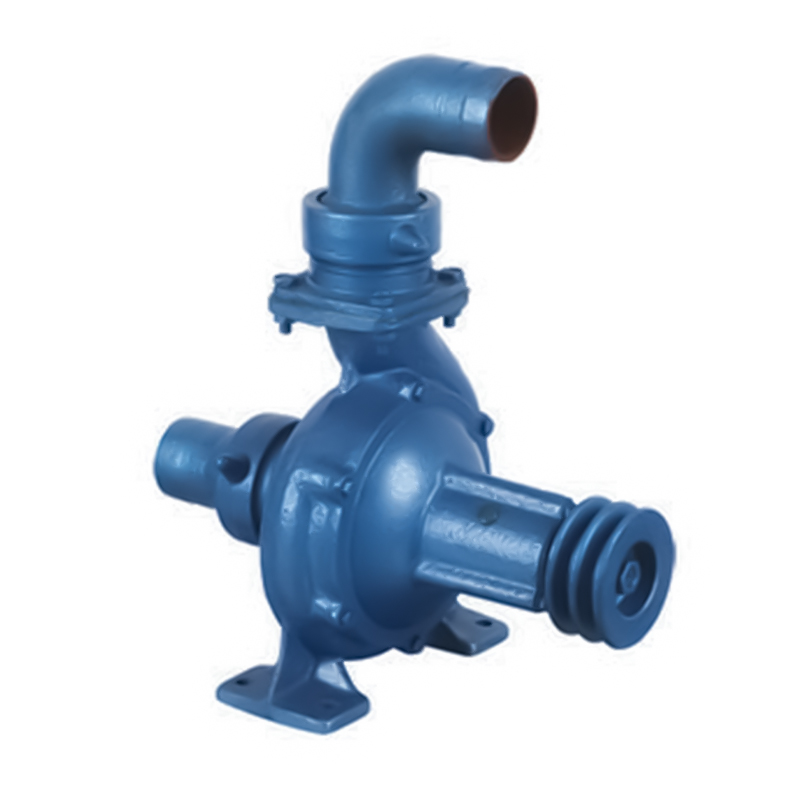
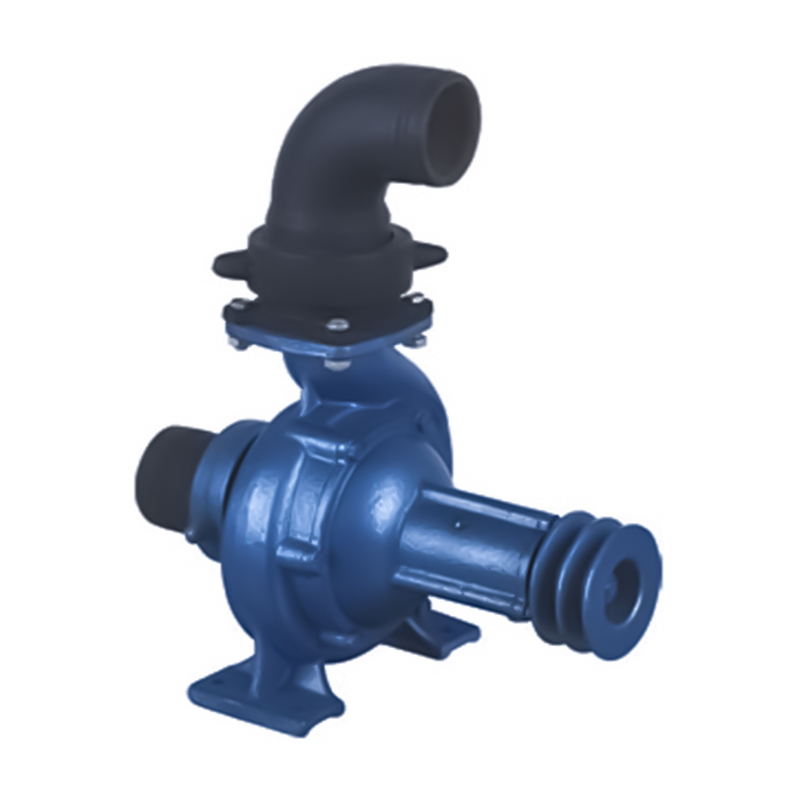
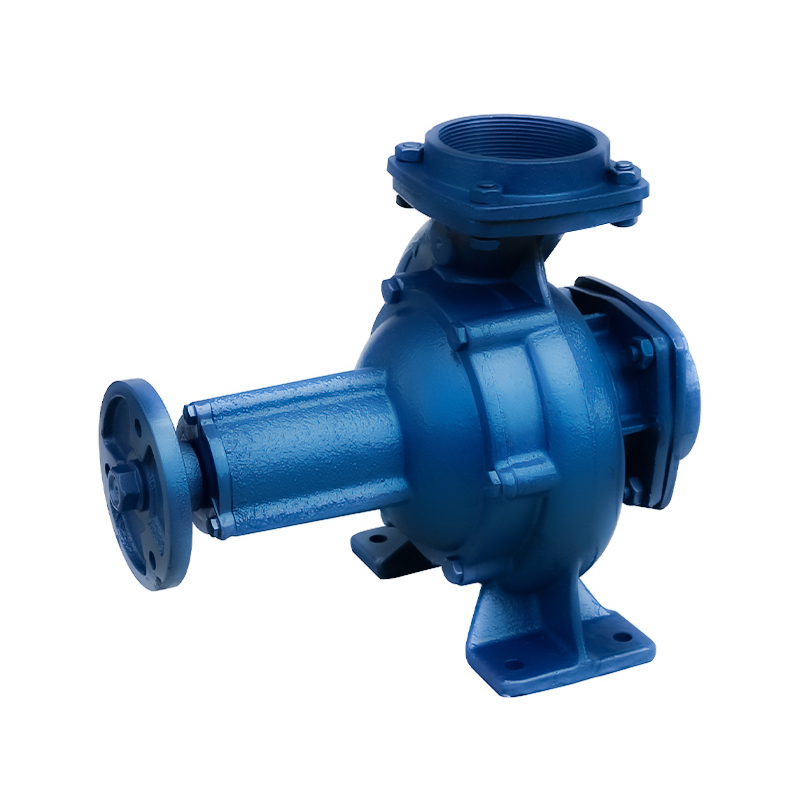
A well-designed Drip Irrigation Centrifugal Pump can adapt to different irrigation layouts by considering factors such as flow demand, installation space, and water source characteristics. This flexibility allows users to build irrigation systems that fit actual production requirements instead of applying a standard solution to every project.
Improving System Efficiency with Proper Installation
Even a suitable pump may not perform effectively without correct installation. Pipeline design, valve arrangement, and pump positioning all influence final irrigation results.
During installation, engineers usually check suction conditions, pipeline resistance, and connection accuracy. These details help reduce operation issues and allow the pump to work closer to its intended performance range.
For contractors and agricultural businesses, professional installation planning can also simplify future maintenance and system upgrades.
Growing Interest in Practical Irrigation Equipment Solutions
Global agriculture is moving toward more efficient water management, and buyers are increasingly looking for irrigation components that provide dependable performance in real working environments. Instead of focusing only on product price, many customers now consider durability, compatibility, and long-term operating costs.
A properly selected centrifugal pump for drip irrigation systems supports stable water distribution and helps users manage irrigation more effectively. With suitable design, installation, and maintenance, a Drip Irrigation Centrifugal Pump can become an important part of a practical irrigation solution for modern farming and landscaping projects.

 Email:
 Phone:+86-13605899207