


 English
 русский
 Español
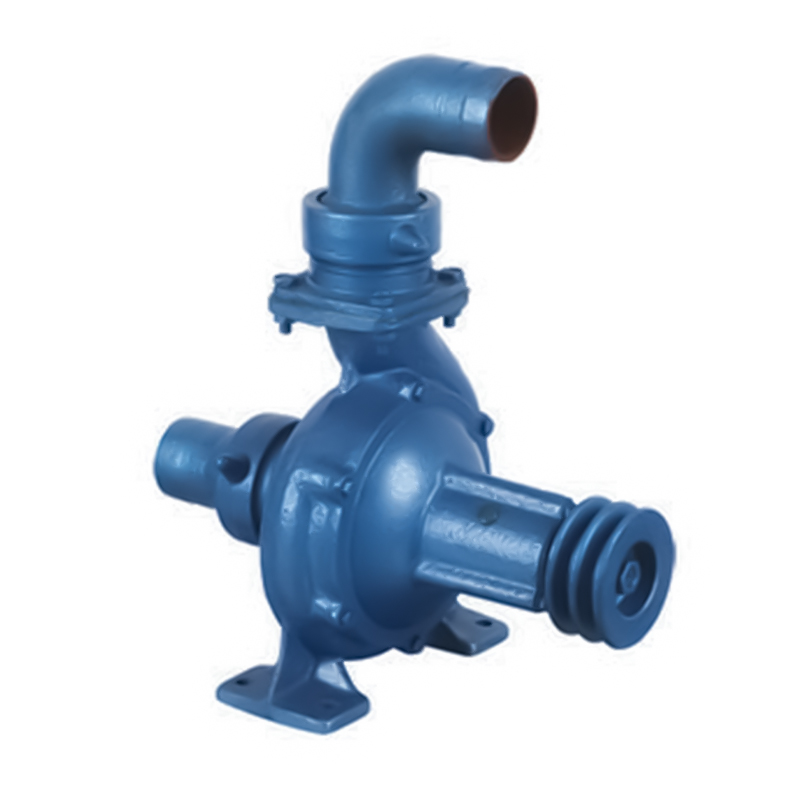
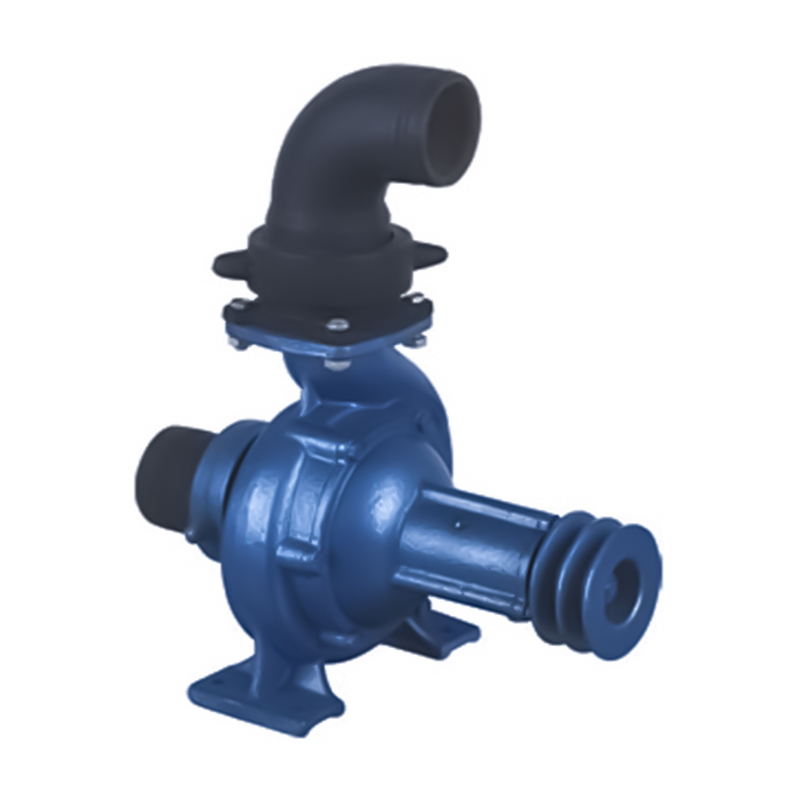
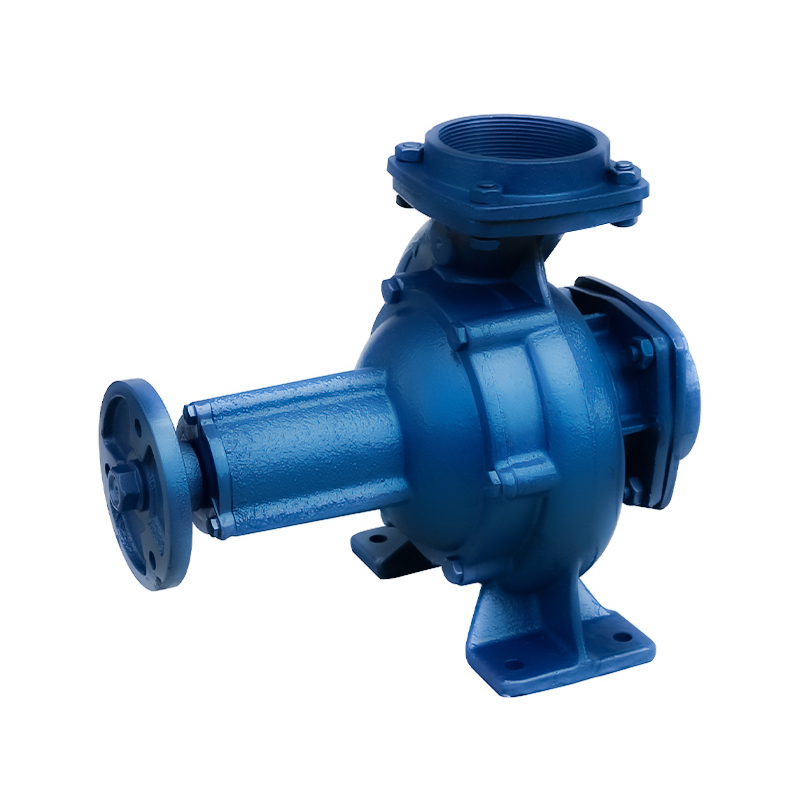
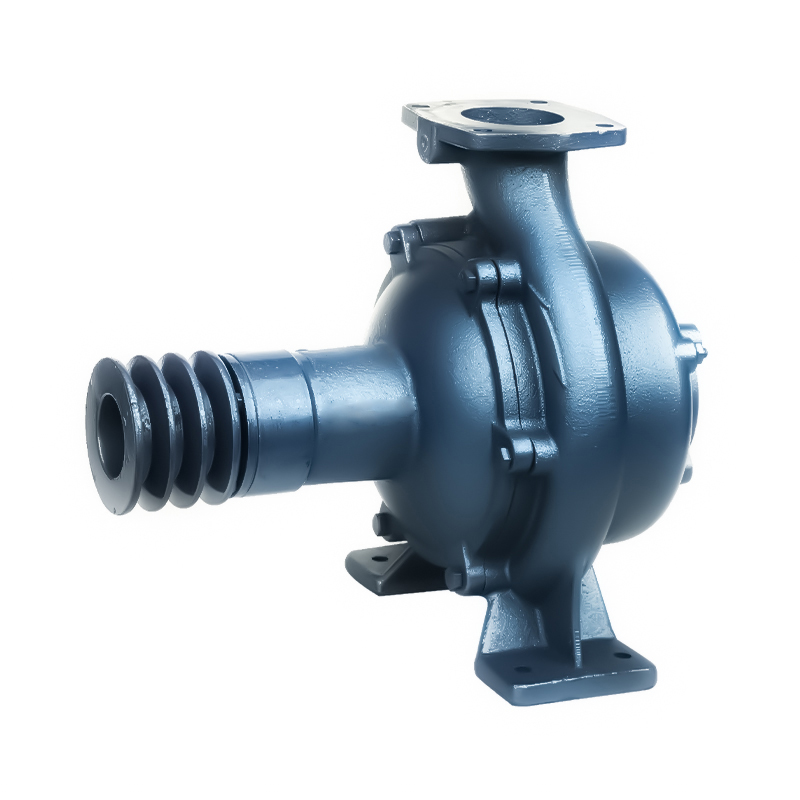
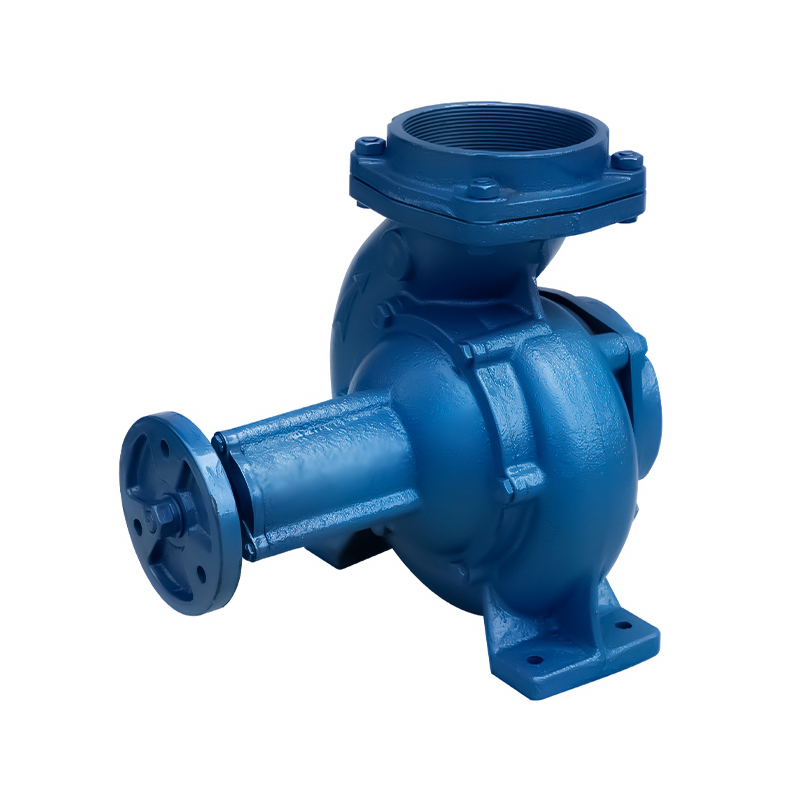
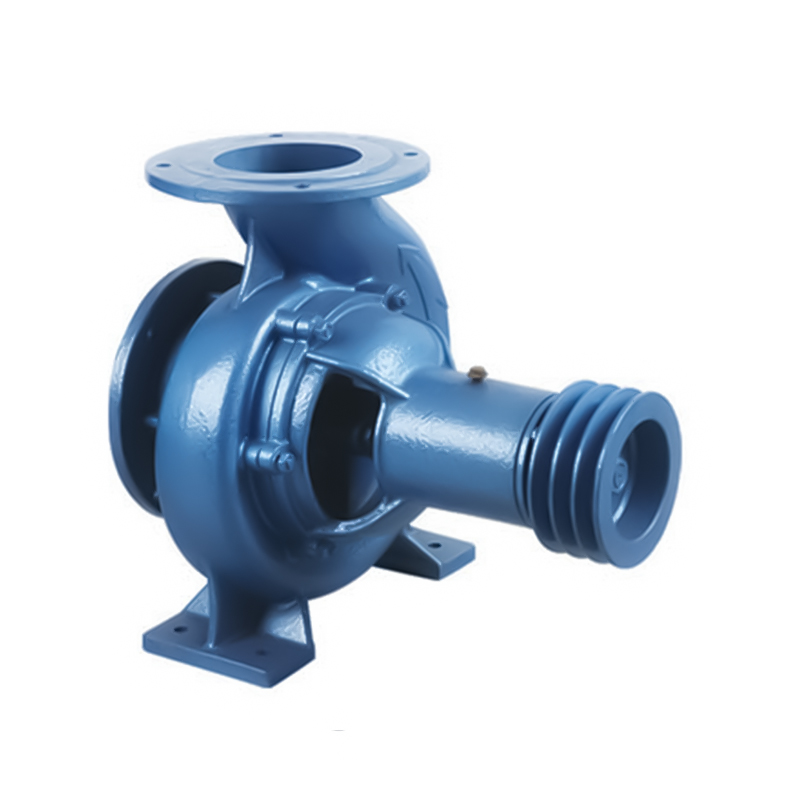
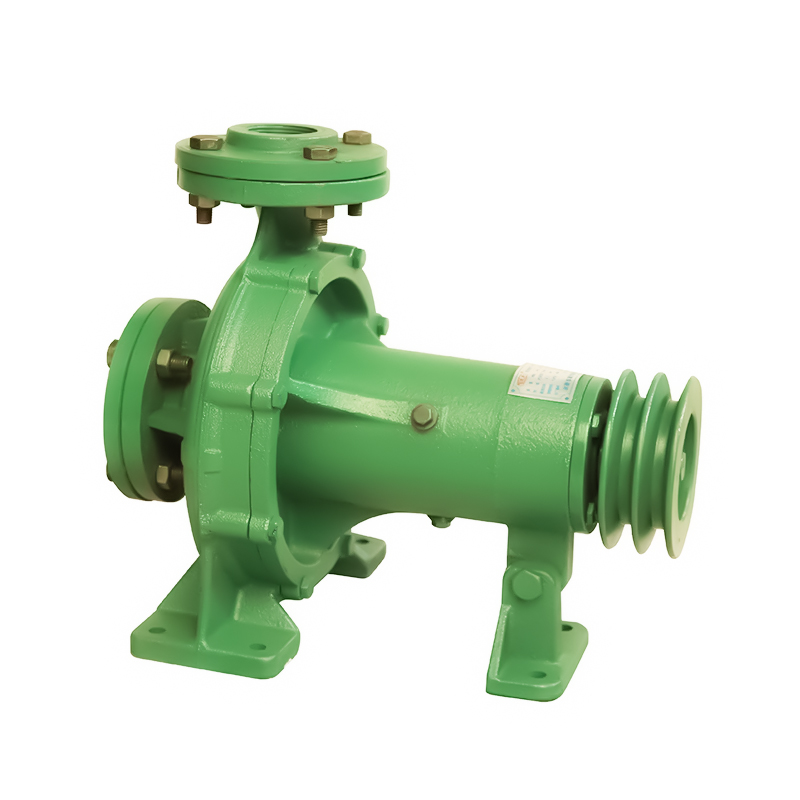
Unpredictable rainfall, changing water availability, and rising operating costs are encouraging agricultural businesses to improve their water management strategies. An Agricultural Centrifugal Pump can provide dependable water transfer for irrigation, farm ponds, livestock facilities, and agricultural drainage applications. However, choosing the right equipment requires more than comparing prices. Pump performance, water conditions, installation requirements, and maintenance access all influence long-term reliability.
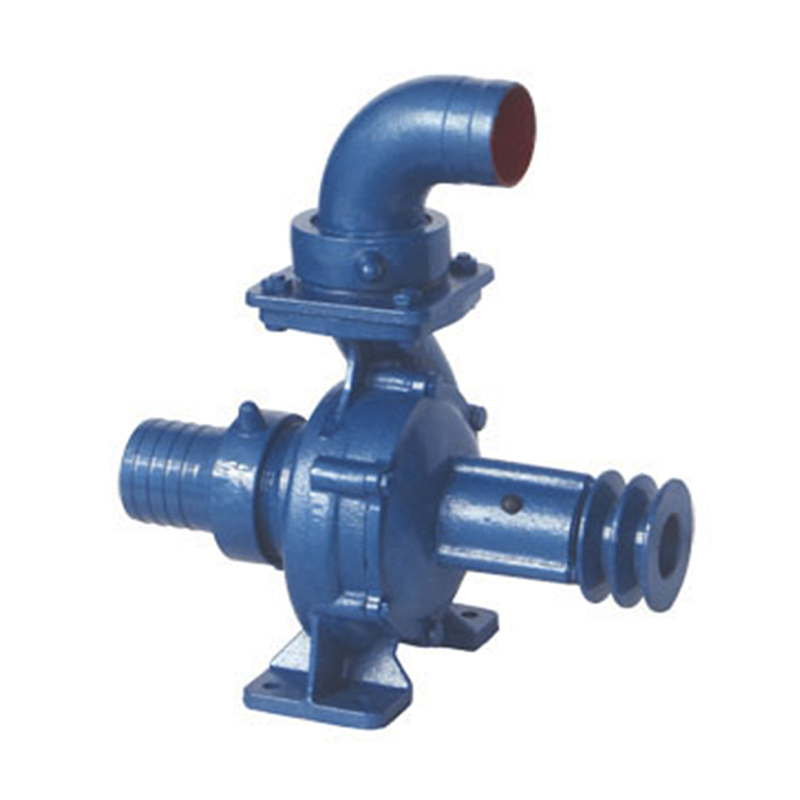
Improve Water Distribution Across Large Fields
Large farms often need to move water over considerable distances while maintaining sufficient flow at different delivery points. Undersized pipelines, excessive elevation changes, and unsuitable pump specifications can reduce water delivery and increase operating costs.
When selecting an agricultural water transfer pump, buyers should calculate the required flow rate and total dynamic head. Pipeline friction and elevation differences must be included in the assessment. Matching these requirements with the manufacturer's performance curve helps ensure the pump can meet actual irrigation demands.
Manage Changing Water Levels Effectively
Water levels in rivers, reservoirs, and farm ponds can fluctuate with seasonal conditions. These changes affect suction requirements and may influence pump stability.
Before installation, operators should evaluate the expected water level, suction pipe arrangement, and distance between the water surface and pump inlet. Proper pipe sizing and secure connections help reduce the risk of air leakage and unstable operation. Where necessary, alternative pump configurations should be assessed against the site's specific conditions.
Reduce Wear When Pumping Agricultural Water
Water drawn from open sources may contain sand, silt, leaves, and other debris. These materials can contribute to impeller wear, blocked passages, and seal damage.
For a centrifugal irrigation pump, the appropriate solution depends on the size and concentration of suspended particles. Buyers should consider inlet screening, accessible maintenance points, and materials suited to the water conditions. If abrasive solids are present in significant quantities, confirm with the manufacturer whether a conventional centrifugal design is appropriate.
Balance Flow Rate and Operating Costs
Selecting a pump with excessive capacity does not automatically improve irrigation performance. If the operating point differs substantially from the pump's suitable efficiency range, energy use and mechanical stress may increase.
Agricultural buyers should compare expected flow, total head, motor power, and efficiency before making a purchase. Farms with variable water demand may also evaluate speed-control systems, provided they are compatible with the selected pump and motor.
A complete cost assessment should include installation, energy consumption, routine servicing, and replacement components rather than the initial equipment price alone.
Simplify Routine Inspection and Maintenance
Preventive maintenance helps agricultural operators identify developing problems before they affect water delivery. Inspection frequency should reflect operating hours, water quality, and site conditions.
Key checks include:
- Inspecting seals, joints, and suction connections for leakage.
- Monitoring unusual vibration, noise, and motor temperature.
- Checking inlet screens for accumulated debris.
- Comparing actual flow and pressure with normal operating conditions.
Following the manufacturer's maintenance instructions can help reduce avoidable downtime during busy irrigation periods.
Consider Equipment Compatibility Before Purchasing
Agricultural pumping systems may operate with grid electricity, generators, diesel engines, or solar power equipment. Each arrangement introduces different installation and operating considerations.
For solar irrigation, buyers should assess available sunlight, daily water demand, required pumping head, and controller compatibility. For remote farms, access to replacement parts and local technical support may also influence the purchasing decision.
Discussing these requirements with a manufacturer before ordering helps identify practical configurations and avoid compatibility problems during installation.
Work With a Manufacturer on Application-Specific Selection
Every agricultural site has different water sources, delivery distances, operating schedules, and maintenance capabilities. Providing accurate application information allows manufacturers to recommend equipment based on actual requirements rather than general assumptions.
When requesting a quotation, prepare the required flow rate, total head, liquid conditions, power supply, and installation details. As a manufacturer, we use this information to evaluate suitable pump models and explain relevant performance limitations.
A properly selected Agricultural Centrifugal Pump can support consistent water delivery, manageable maintenance, and efficient farm operations. By evaluating site conditions and technical specifications before purchasing, agricultural distributors, irrigation contractors, and farm operators can make more informed equipment decisions.

 Email:
 Phone:+86-13605899207