


 English
 русский
 Español
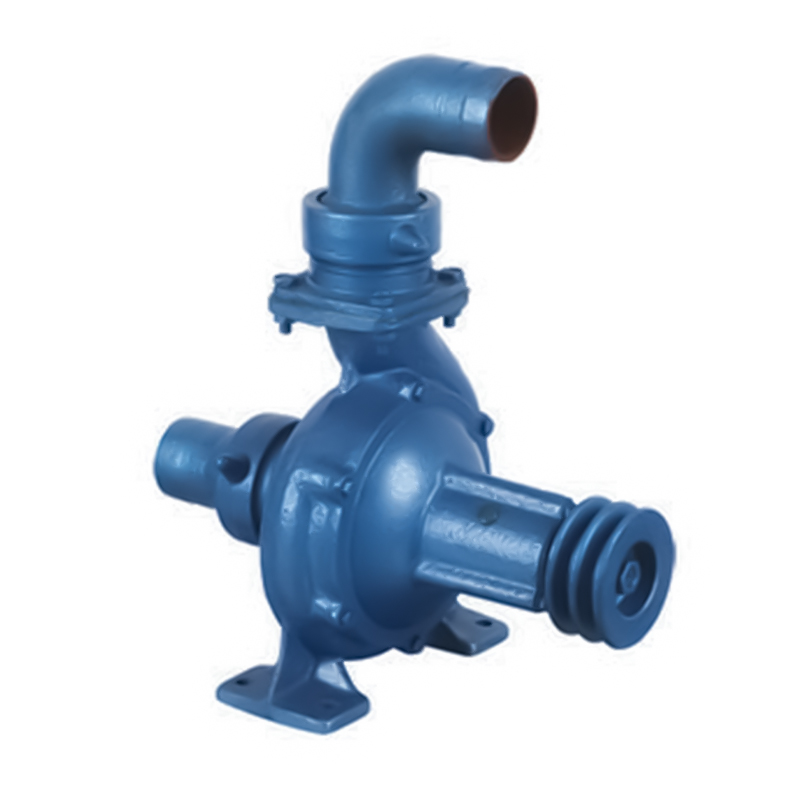
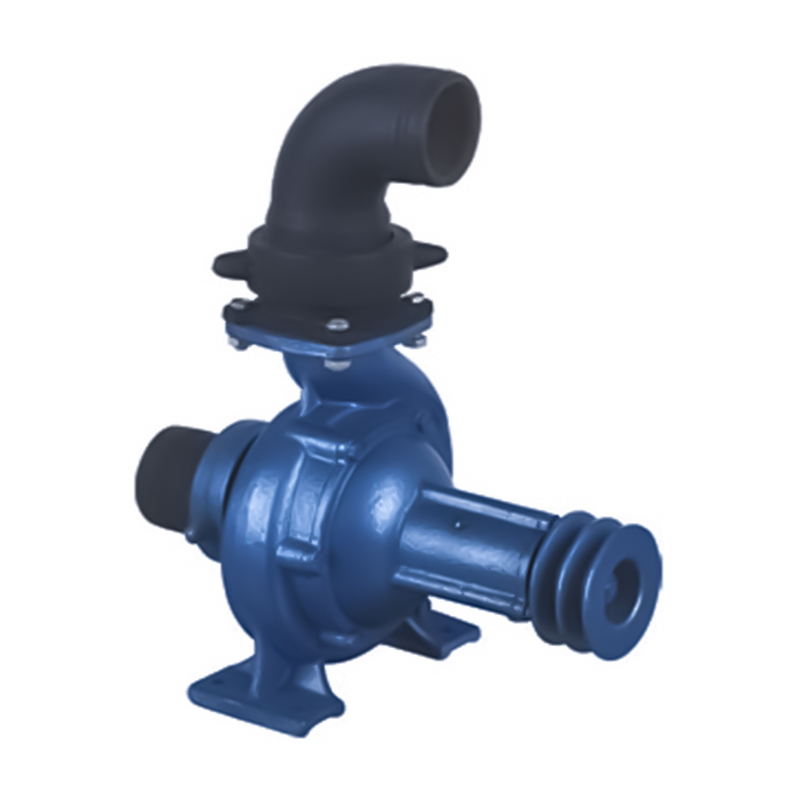
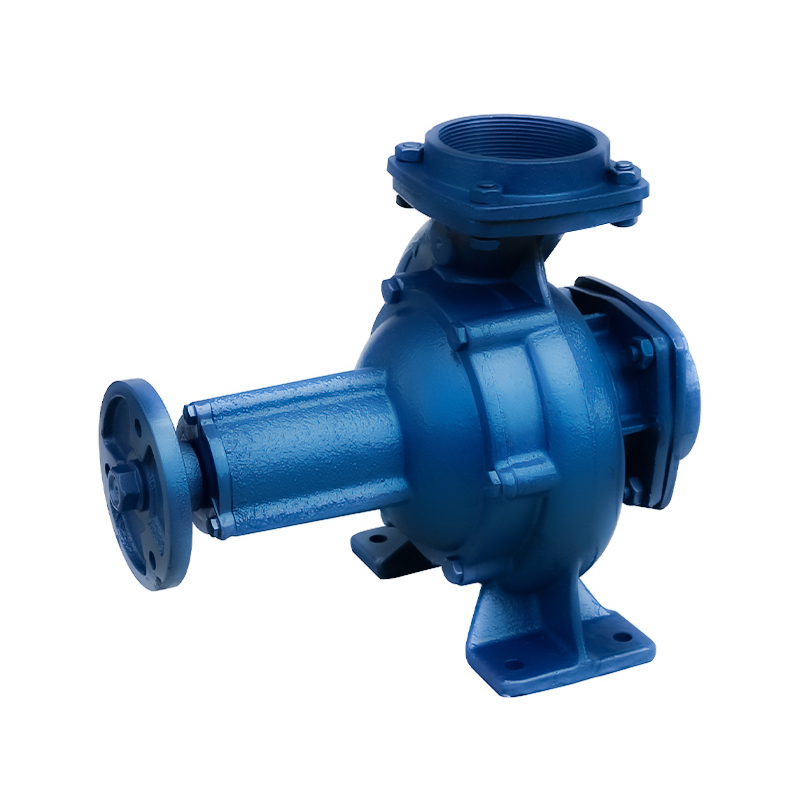
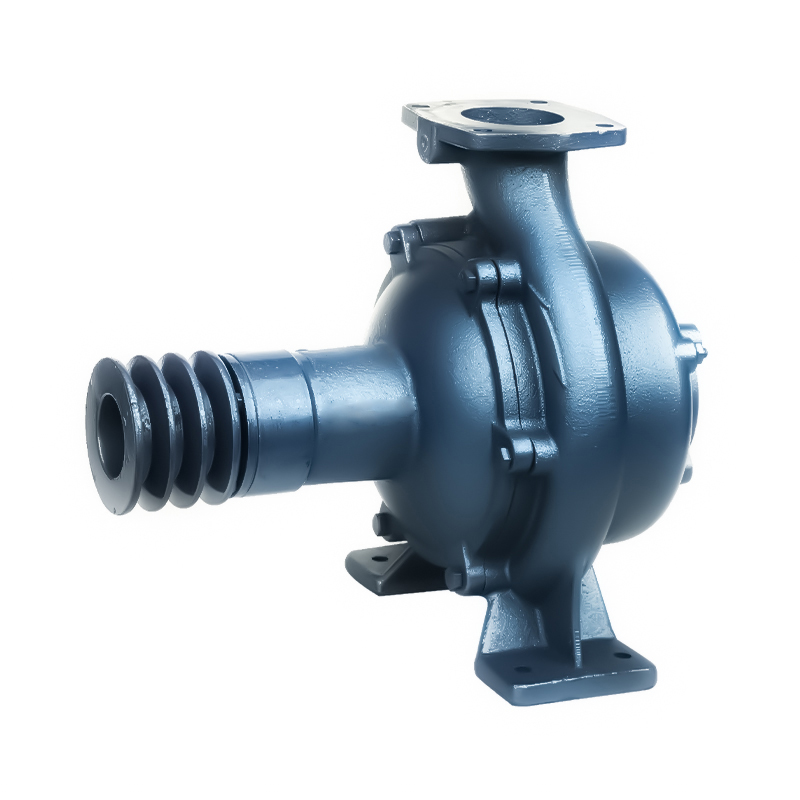
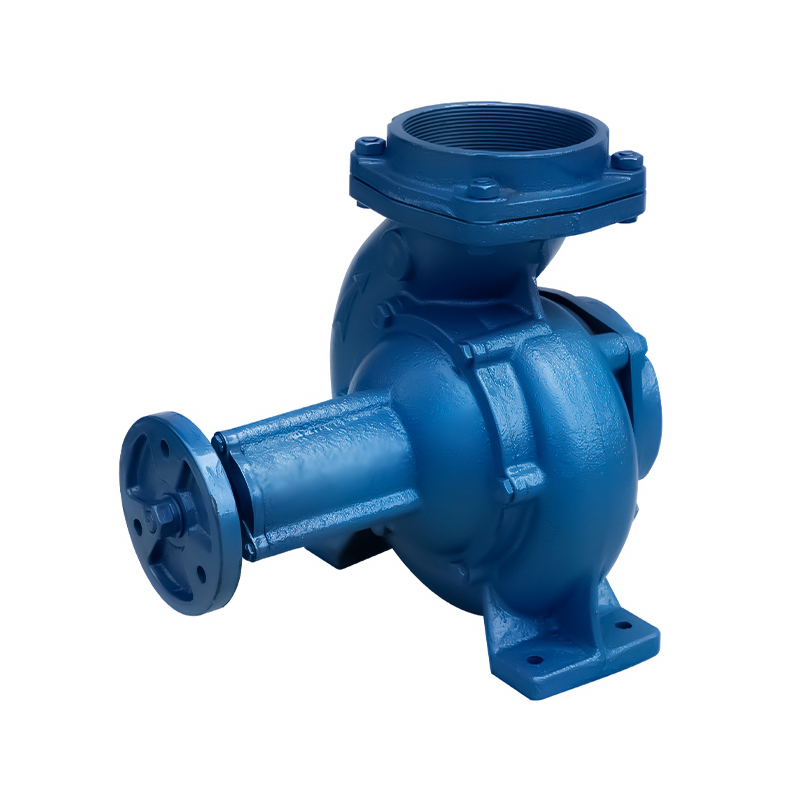
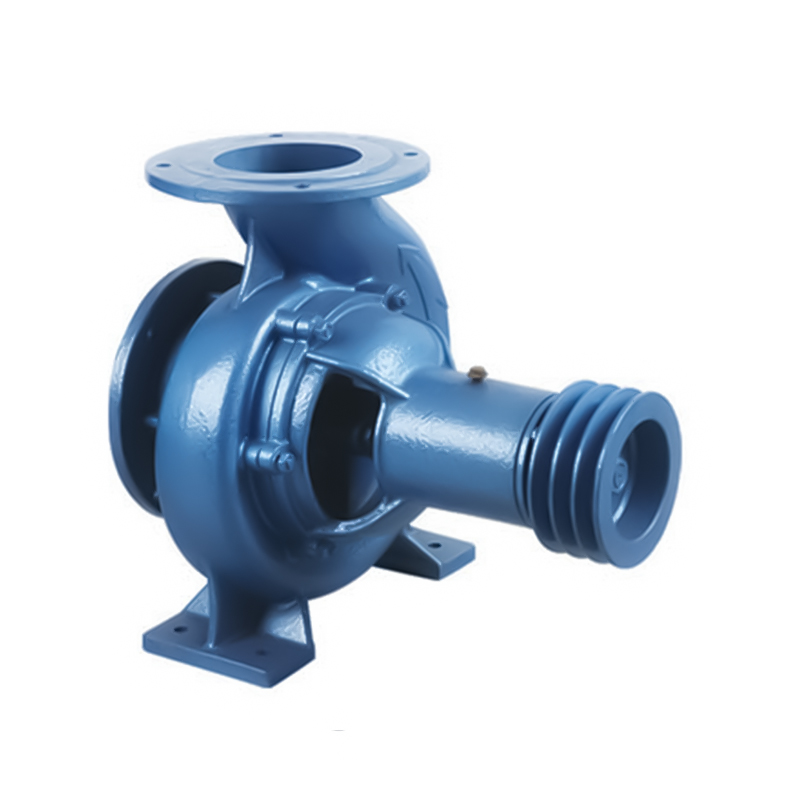
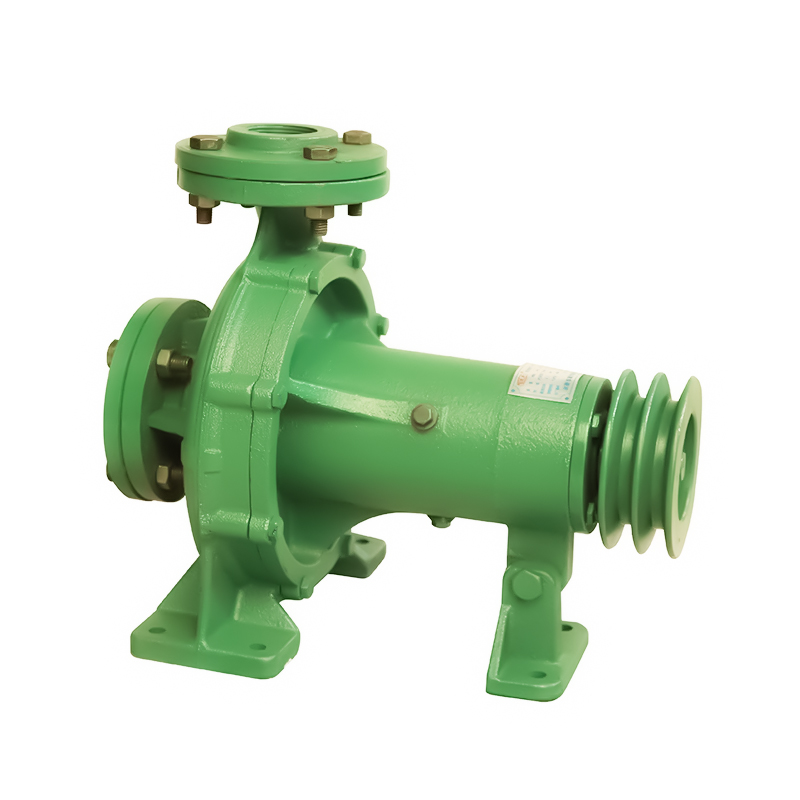
Sprinkler Irrigation Centrifugal Pump installation and maintenance practices directly influence irrigation system reliability and operational efficiency. Even a well-selected pump may encounter performance issues if critical installation details are overlooked or maintenance routines are inconsistent over time. This guide outlines key considerations for proper installation, ongoing care protocols, and common troubleshooting scenarios to ensure stable system operation.
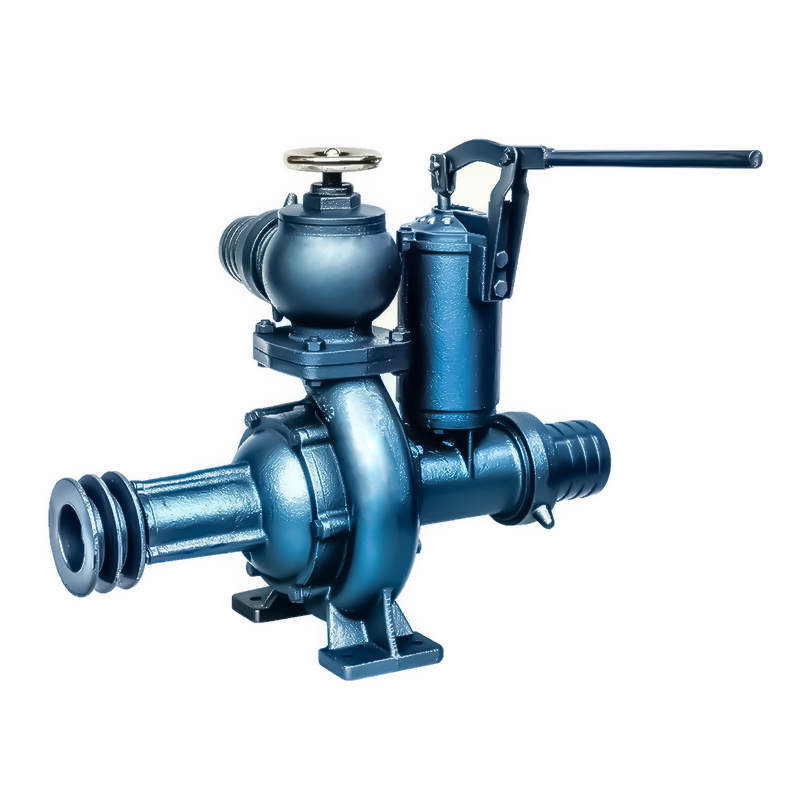
Installation Location and Setup
Proper installation begins with selecting a suitable location that meets both functional and safety requirements. A centrifugal pump should be positioned on a flat, stable surface near the water source, with a straight, short, and tightly sealed suction line to minimize flow resistance. Excessive bends, long horizontal runs, or loose connections may introduce air into the system, significantly affecting pump performance and energy efficiency.
When installation constraints—such as limited space or distant water sources—limit placement options, a Sprinkler Irrigation Self-Priming Pump may simplify setup by actively managing air within the suction process. Understanding these design differences between standard and self-priming pumps supports more flexible and effective installation planning.
Pipe Connections and Sealing
Close attention to pipe sizing, material compatibility, and sealing reduces the risk of air leakage and pressure loss. All joints should be properly aligned, secured with appropriate fasteners, and sealed using high-quality gaskets or sealants to maintain steady flow throughout the system. Even small, incremental leaks can degrade suction efficiency over prolonged use, pointing to increased energy consumption.
For systems that experience frequent disassembly, seasonal relocation, or temporary use, self-priming designs may reduce setup complexity and minimize the time required to restart operations after disconnection.
Routine Maintenance Practices
Essential maintenance routines include inspecting internal components for wear, monitoring vibration levels for anomalies, and ensuring suction lines remain airtight and unobstructed. Periodic cleaning of intake screens and filters helps prevent debris accumulation, which can damage impellers and disrupt water flow.
Both standard centrifugal and self-priming pump types benefit from consistent inspection schedules that align with irrigation cycles and seasonal usage peaks. Addressing wear and minor issues early supports continued operation without unexpected interruptions to irrigation activities.
Common Troubleshooting Scenarios
Users often encounter common issues such as reduced water flow, irregular pressure fluctuations, or delayed startup. These symptoms may indicate air intrusion in the suction line, partial blockages from debris, misalignment of components, or worn seals.
A Sprinkler Irrigation Self-Priming Pump can help resolve startup challenges related to air presence, as it autonomously purges air from the system, while centrifugal pumps rely on careful manual priming and rigorous sealing. Accurately identifying the root cause of issues guides targeted and effective troubleshooting.
Seasonal System Adjustments
Irrigation systems may require proactive adjustments as seasons change, as water levels in sources fluctuate and pump usage patterns shift accordingly—such as increased demand in dry seasons or limited use in cold months. Reviewing and updating installation and maintenance procedures at the start of each season supports consistent, stable performance year-round.
The successful long-term operation of a Sprinkler Irrigation Centrifugal Pump depends on proper initial installation, consistent maintenance protocols, and informed troubleshooting. Incorporating Sprinkler Irrigation Self-Priming Pump options where appropriate enhances system flexibility and reduces operational challenges over the pump’s service life.

 Email:
 Phone:+86-13605899207