


 English
 русский
 Español
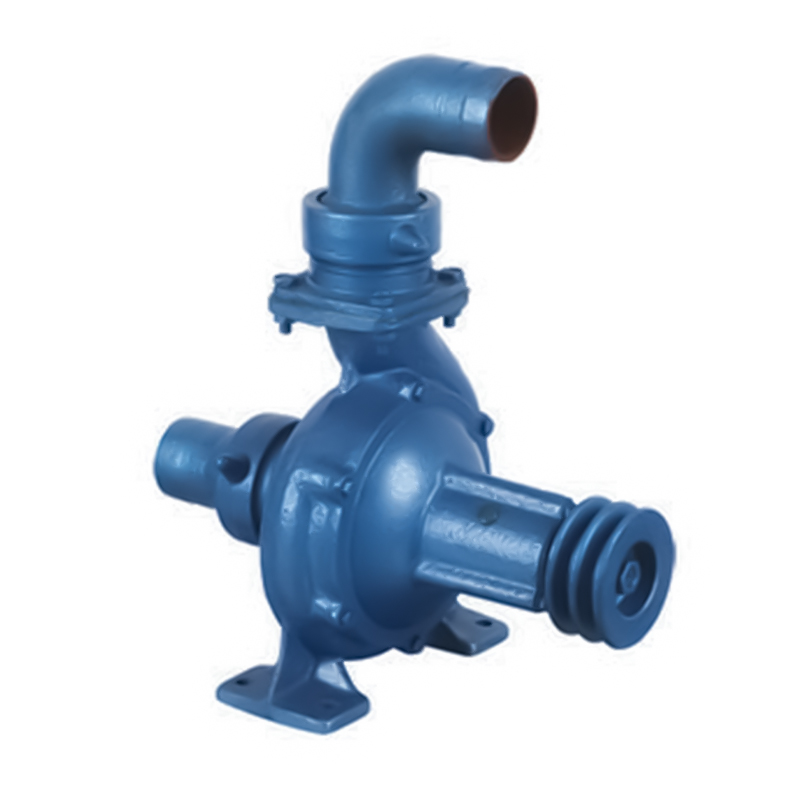
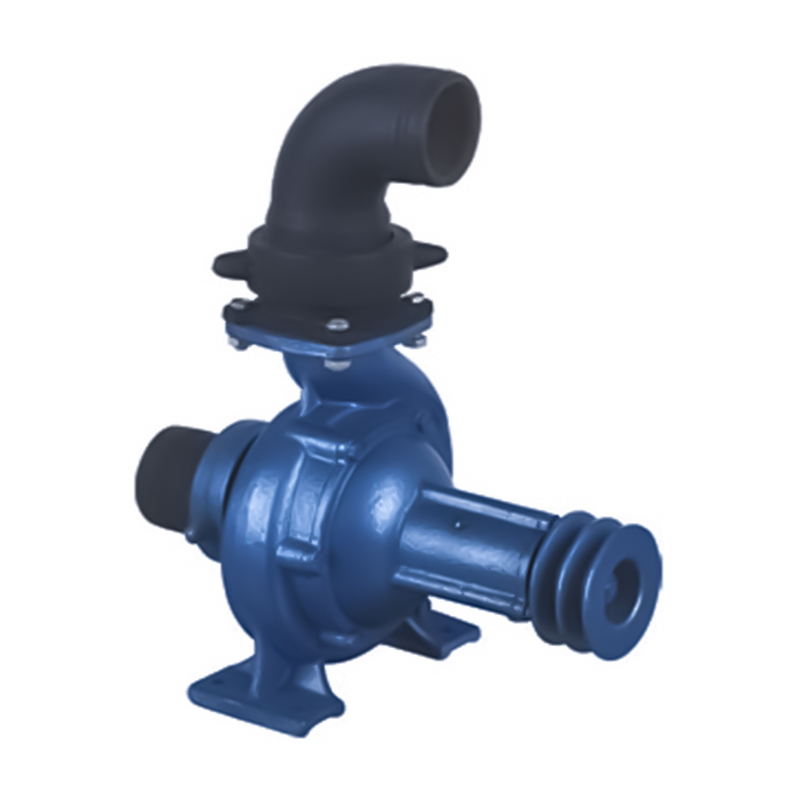
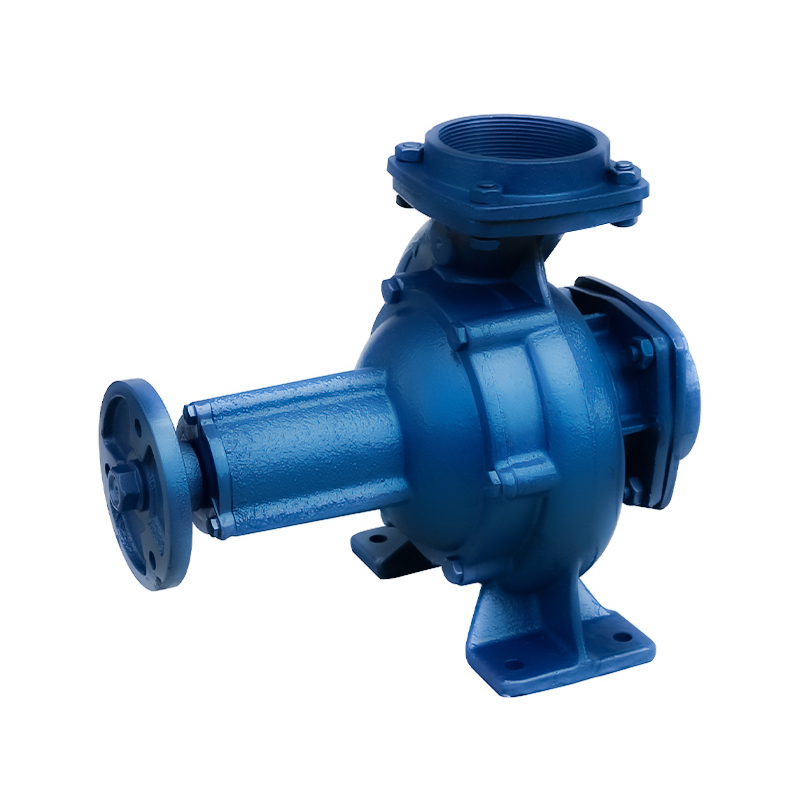
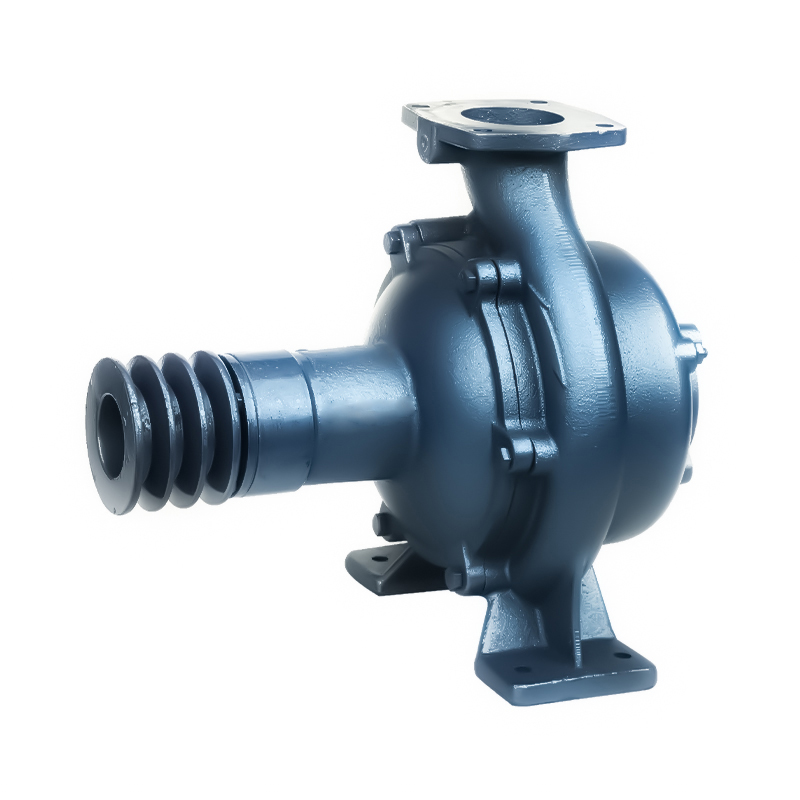
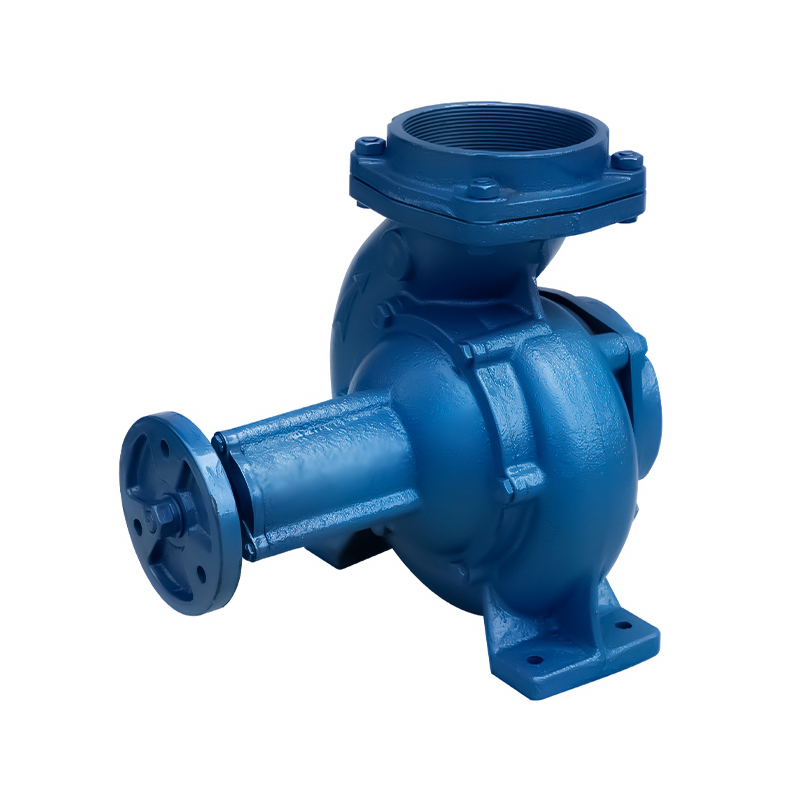
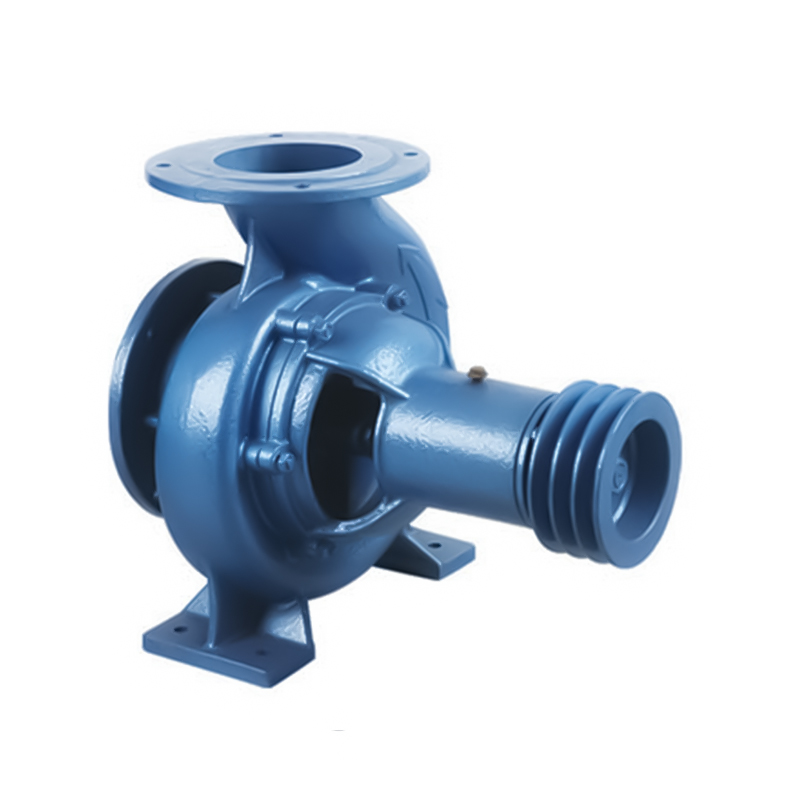
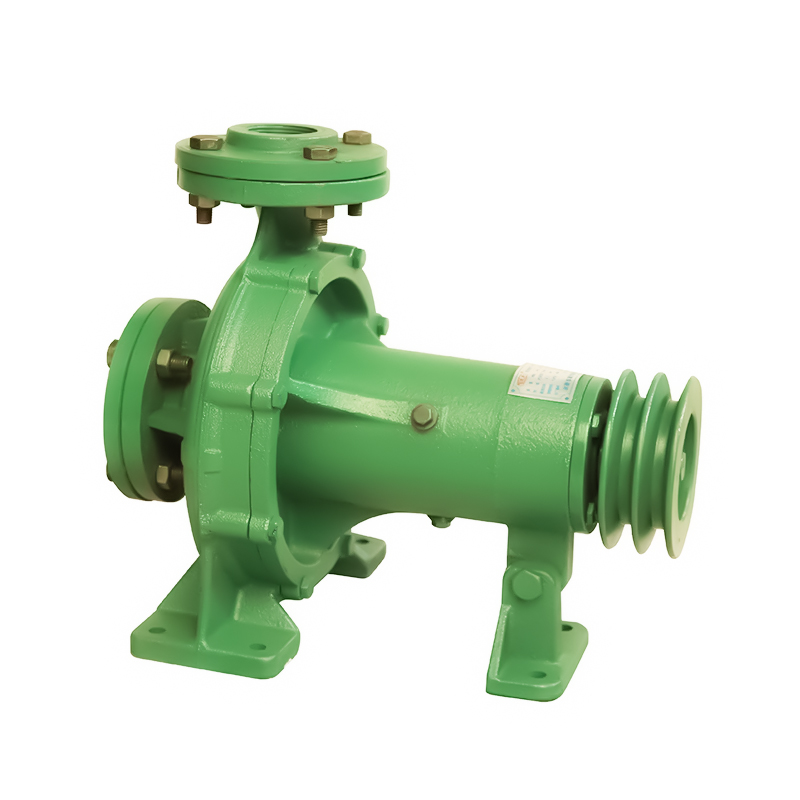
Sprinkler Irrigation Centrifugal Pump solutions are widely applied in large field irrigation systems that require coordinated water delivery across extended areas, such as commercial grain farms, cash crop plantations, and large-scale horticultural bases. Large-scale applications introduce unique challenges related to long-distance water transport, significant elevation variations, and the need for uninterrupted operational continuity, making pump selection a strategic decision that directly impacts irrigation efficiency and crop yield.
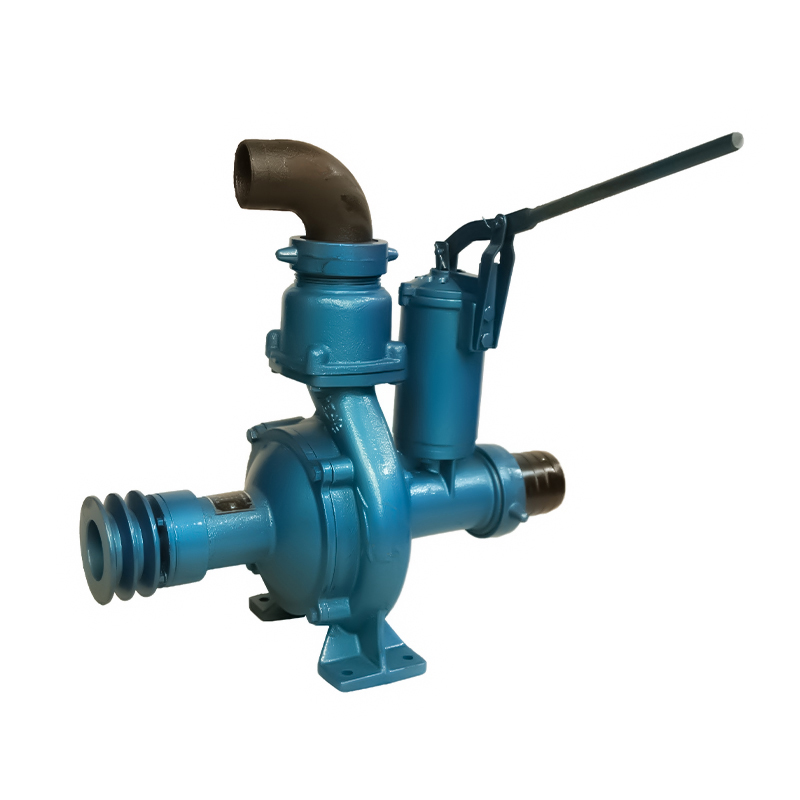
Water Distribution Across Wide Areas
Large fields, often spanning hundreds of acres, frequently require extensive pipeline networks and multiple independently controlled sprinkler zones to ensure comprehensive coverage. Maintaining uniform water delivery across these vast distances demands careful coordination between the centrifugal pump’s flow capacity and the overall system layout, including pipe diameter, sprinkler spacing, and zone control valves.
Centrifugal pumps are commonly selected for their ability to support steady, continuous flow when integrated properly into the system design, a critical feature for avoiding uneven moisture levels that can hinder crop growth. Meticulous layout planning, including pressure regulation points and flow meters, ensures that water pressure remains balanced across the entire field, guaranteeing consistent sprinkler performance from the one to the last zone.
Managing Elevation and Distance
Elevation differences within large fields—such as sloped farmland or fields spanning rolling terrain—exert a direct influence on pump performance, as they increase the total head requirement for water delivery. Water must be lifted to higher elevations and transported over long distances without causing pressure instability, cavitation, or flow fluctuations. In areas where suction lines extend over considerable distances from the water source to the pump, effective air management becomes increasingly important to prevent airlocks and maintain suction efficiency.
A Sprinkler Irrigation Self-Priming Pump may be introduced at auxiliary intake points or remote water sources to address these challenges without the need to restructure the main centrifugal pump system. These self-priming units eliminate the need for manual priming and efficiently handle air entrainment, ensuring a reliable water supply even in complex topographical conditions.
System Expansion and Flexibility
Large agricultural operations often expand their irrigation coverage over time to accommodate new crop varieties, increased planting areas, or improved irrigation techniques. Pump systems must therefore be designed to adapt seamlessly to new zones, modified pipeline layouts, and changing flow demands. Centrifugal pumps offer inherent scalability when matched with appropriate piping upgrades, variable frequency drives (VFDs), and advanced control strategies that adjust output based on real-time requirements.
Self-priming pump units can be flexibly added to support temporary or seasonal expansions, such as seasonal crop rotations or short-term field extensions. This modular approach provides cost-effective flexibility during system growth, allowing farmers to scale their irrigation capacity without investing in a complete overhaul of the existing centrifugal pump infrastructure.
Coordination with Irrigation Scheduling
Large fields typically operate on structured irrigation schedules tailored to crop water needs, weather conditions, and soil moisture levels, often requiring pumps to run for extended periods—sometimes 12 hours or more per day—without frequent interruptions. Centrifugal pumps are engineered to sustain these long operational cycles with minimal wear, thanks to their robust impeller design and efficient heat dissipation capabilities. Aligning pump operation with irrigation cycles, via automated control systems or timer-based triggers, helps maintain steady water movement throughout the pipeline network and prevents pressure surges.
Combining centrifugal and self-priming pumps allows system designers to balance reliability with adaptability across different sections of the field. For instance, centrifugal pumps can handle the core, high-volume irrigation zones, while self-priming units manage smaller, remote zones or fill in during peak demand periods, ensuring the entire system operates in harmony with the irrigation schedule.
Maintenance Planning for Large Systems
As irrigation system size grows, proactive maintenance planning becomes increasingly critical to minimize downtime, extend equipment lifespan, and avoid costly repairs. Centralized inspection routines—including regular checks of centrifugal pump bearings, seals, and motor performance—paired with distributed monitoring sensors that track pressure, flow, and temperature, help identify potential issues before they disrupt irrigation coverage.
Both Sprinkler Irrigation Centrifugal Pump and Sprinkler Irrigation Self-Priming Pump systems benefit from clear, schedule-based maintenance protocols tailored to large-scale operation. These protocols may include periodic lubrication, filter replacement, priming chamber cleaning (for self-priming units), and performance testing to ensure each pump operates at peak efficiency, even under the demands of large-field irrigation.
Large field irrigation systems require pump solutions that balance consistent water delivery, operational flexibility, and long-term reliability. Sprinkler Irrigation Centrifugal Pump systems provide a stable, high-capacity foundation for wide-area water distribution, while Sprinkler Irrigation Self-Priming Pump options enhance adaptability in complex layouts, sloped terrain, and expanding operations. Together, these complementary solutions support efficient, uniform irrigation across expansive agricultural environments, helping farmers optimize crop health and water usage.

 Email:
 Phone:+86-13605899207