


 English
 русский
 Español
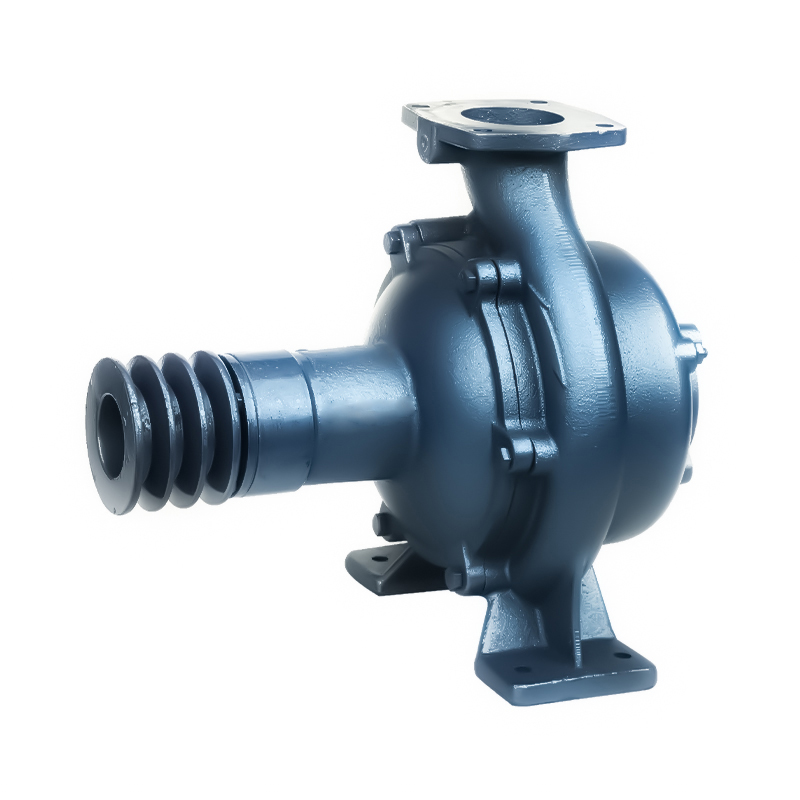
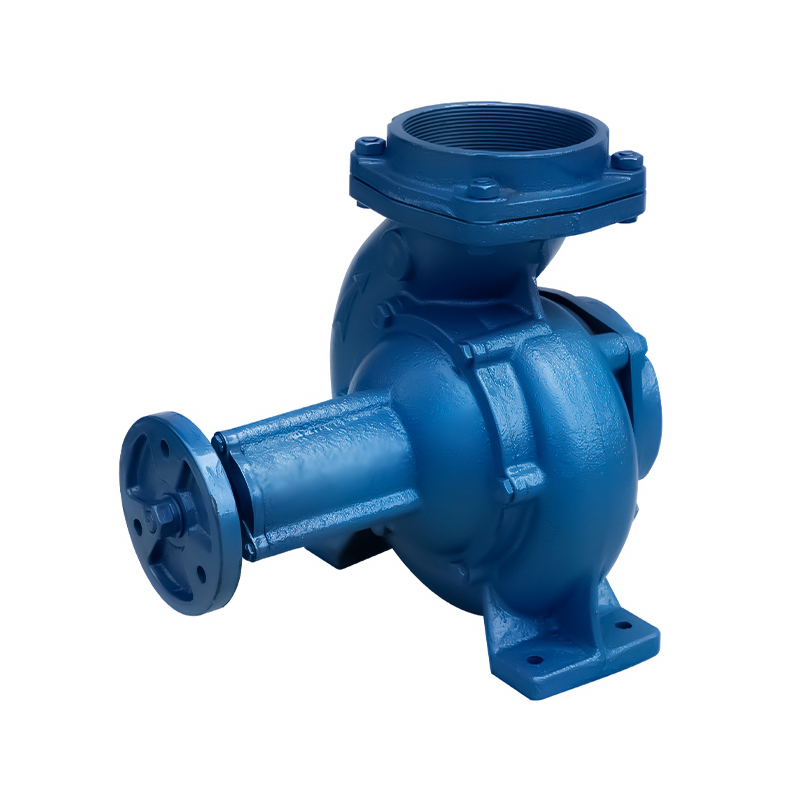
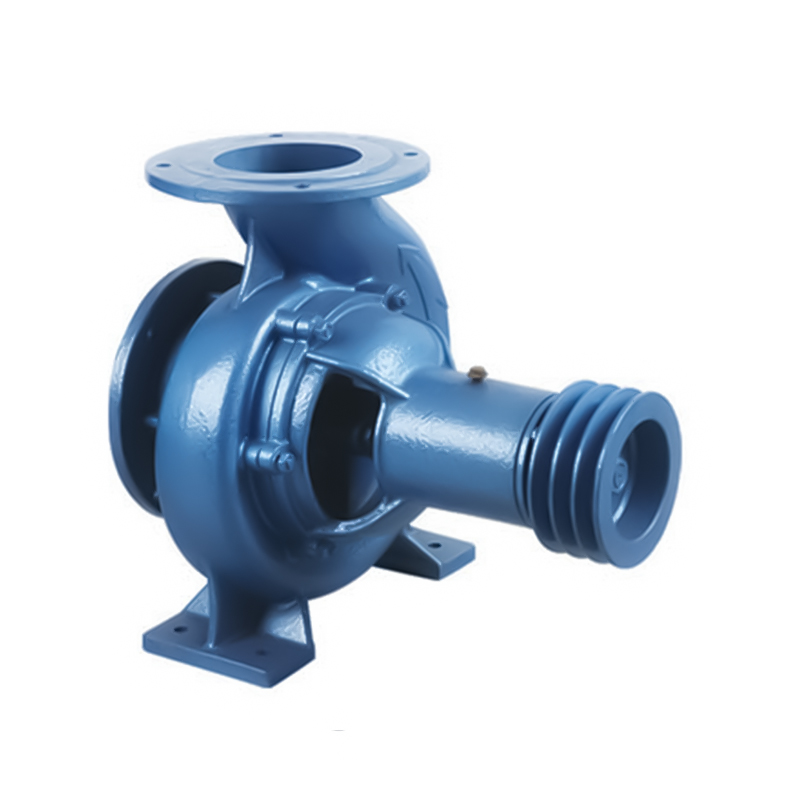
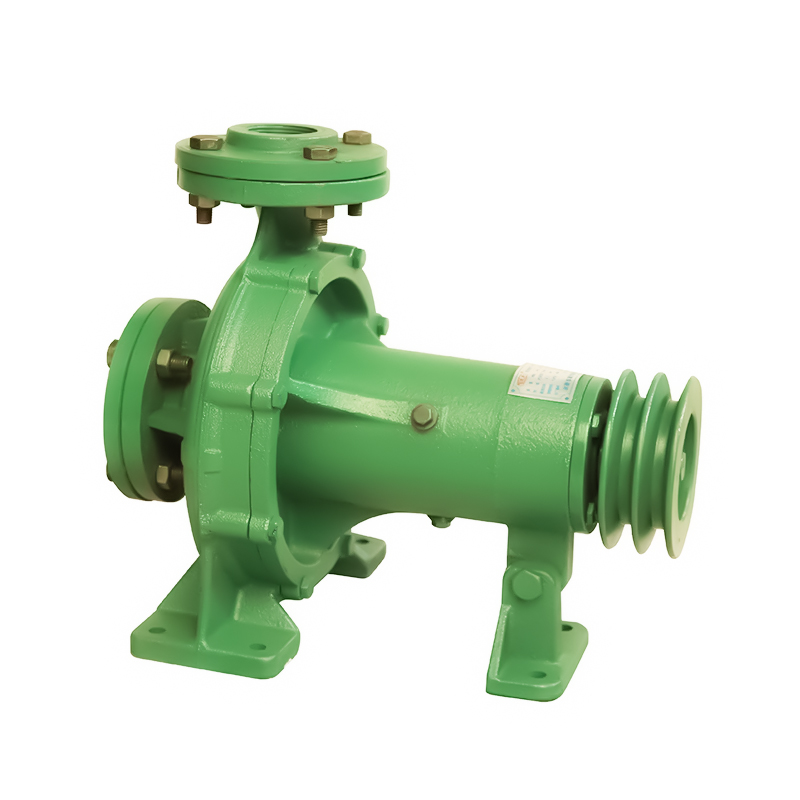
Sprinkler Irrigation Centrifugal Pump solutions play a central role in agricultural sprinkler systems by supporting stable water movement across fields of varying size and layout. In agricultural environments, irrigation efficiency depends not only on sprinkler design but also on the pump’s ability to deliver consistent flow under changing conditions. As farming operations expand and irrigation layouts become more complex, pump selection has become a practical planning task rather than a simple equipment purchase.
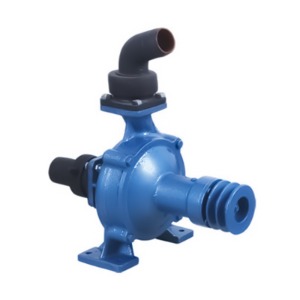
Agricultural users often evaluate pump options based on how well the system supports crop water requirements, adapts to terrain, and maintains reliability during extended operation periods. Understanding the selection factors behind different pump types helps reduce operational interruptions and improve overall irrigation coordination.
Understanding Field Conditions and Water Sources
One of the core selection considerations is the nature of the water source. Surface water sources, such as ponds, canals, and reservoirs,s introduce different challenges compared to shallow wells or storage tanks. A Sprinkler Irrigation Centrifugal Pump generally performs well when water is readily available at a consistent level and when the suction line can be kept short and sealed.
However, agricultural layouts often involve elevation differences, long suction lines, or seasonal water level changes. In such cases, users may also consider a Sprinkler Irrigation Self-Priming Pump to address air accumulation within the suction pipe. Integrating pump selection with site-specific water conditions supports smoother system operation.
Flow Demand and Pressure Coordination
Sprinkler layouts vary widely across agricultural applications. Some fields require broad coverage with evenly spaced sprinklers, while others rely on segmented zones that activate sequentially. Pump selection must account for flow demand across these layouts without causing uneven distribution.
Sprinkler Irrigation Centrifugal Pump systems are commonly chosen for their steady flow characteristics when matched properly to sprinkler networks. The system designer must evaluate pipeline length, elevation changes, and sprinkler spacing to ensure pressure remains stable throughout operation. Improper coordination can result in reduced coverage at distant points or unnecessary strain on the pump assembly.
Installation Flexibility and Layout Planning
Installation constraints often influence the final pump choice. Centrifugal pumps typically perform well when positioned near the water source, with short suction distances and controlled inlet conditions. In agricultural settings where pump placement cannot be kept close to the water source, priming requirements become a practical concern.
This is where Sprinkler Irrigation Self-Priming Pump configurations may be integrated into the system design. These pumps allow greater flexibility in placement by managing air within the suction line, which can simplify seasonal setup or relocation of irrigation equipment.
Operational Continuity and Maintenance Planning
Agricultural irrigation systems frequently operate over extended periods, especially during dry seasons. Pump durability, maintenance accessibility, and ease of inspection are important selection factors. A Sprinkler Irrigation Centrifugal Pump with a straightforward structure allows routine inspection of internal components without excessive downtime.
Maintenance planning also involves ensuring proper sealing, alignment, and regular checks of suction connections. When these elements are addressed early in the selection phase, the irrigation system benefits from reduced interruptions during critical watering periods.
Integrating Multiple Pump Types in Agricultural Systems
Some agricultural operations adopt a hybrid approach by using centrifugal pumps as the main driving force while incorporating self-priming pumps in auxiliary roles. A Sprinkler Irrigation Self-Priming Pump may support secondary water intake points or seasonal water sources where air intrusion is more likely.
This integrated strategy allows agricultural systems to adapt to changing field conditions without reconfiguring the entire irrigation layout.
Selecting a pump for agricultural sprinkler systems involves evaluating water sources, field layout, flow coordination, and installation constraints. Sprinkler Irrigation Centrifugal Pump systems continue to serve as a reliable foundation for many agricultural applications, while Sprinkler Irrigation Self-Priming Pump options provide added flexibility in challenging environments. A thoughtful selection process supports stable irrigation performance across diverse agricultural scenarios.

 Email:
 Phone:+86-13605899207