


 English
 русский
 Español
Demand for the Sprinkler Irrigation Self-Priming Pump continues to rise as homeowners expand their lawn and garden areas and seek more efficient approaches to water distribution. The convenience of automated watering and the ability to draw water from various sources have contributed to the wider adoption of these pumps. This shift reflects evolving preferences in home landscaping and garden care.
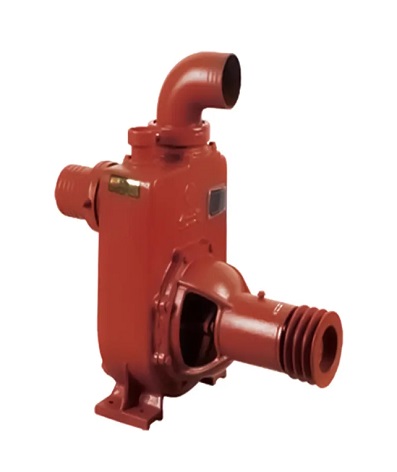
Larger Lawn Areas Support Pump Adoption
Many users are expanding planting zones or establishing larger lawn spaces, which require more consistent irrigation coverage. The ability of a self-priming pump to maintain steady water flow helps support multiple sprinkler heads and extended pipe layouts. As property owners design more complex garden layouts, they increasingly rely on pumps that can maintain pressure across different zones.
Interest in Water Conservation and Alternative Sources
Another key trend driving demand involves the use of non-tap water sources. Many households collect rainwater or use water stored in tanks or ponds to reduce pressure on municipal systems. A Sprinkler Irrigation Self-Priming Pump is particularly well-suited for these setups, as it can draw water from sources located below the pump level. Its ability to purge air and maintain suction allows more flexibility in system design.
Shift From Manual Watering to Automated Irrigation
Homeowners are steadily transitioning from hose-based watering to automated sprinkler systems. Automated systems provide better coverage and support more predictable watering routines. Pumps that work seamlessly with timers and controllers help users maintain healthier gardens and lawns with reduced manual effort. Compatibility with multi-zone watering systems also broadens the pump’s appeal.
Preference for Low-Maintenance Irrigation Solutions
Another noticeable trend is the preference for pumps and systems that require minimal attention during daily operation. Although maintenance remains necessary, pumps designed for easier cleaning and servicing appeal to users who want a reliable system without frequent adjustments. Features such as accessible drain points, durable casings, and clear status indicators support this need.
Use of Pumps in Seasonal Garden Projects
Seasonal gardening has also contributed to growing pump interest. Many users add vegetable beds, flower sections, or new landscape features that require dedicated irrigation lines. Pumps help maintain consistent watering throughout these zones and allow homeowners to adapt system layouts as their gardens evolve.
Increasing Awareness of System Stability
Users increasingly recognize the value of stable flow and pressure for maintaining soil health. Uneven watering can cause plants to dry out or receive excess moisture, resulting in wasted water and inconsistent growth. A self-priming pump that provides steady output helps avoid these issues and maintains a better soil moisture balance.
The rising interest in home landscaping, expanded garden areas, alternative water sources, and automated watering systems has fueled demand for the Sprinkler Irrigation Self-Priming Pump. As users continue to invest in lawn and garden improvements, reliable irrigation systems remain a key component of these projects. Pumps that support flexible installation, stable water output, and compatibility with various water sources will continue to play an important role in modern home irrigation.
This growth in residential applications represents a meaningful shift, expanding the context in which sprinkler irrigation self-priming pumps are used. It underscores a move toward more efficient and personalized outdoor water management at home. For homeowners, the right pump can be a central part of creating and sustaining a healthy, vibrant garden with a manageable investment of time and effort.

 Email:
 Phone:+86-13605899207