


 English
 русский
 Español
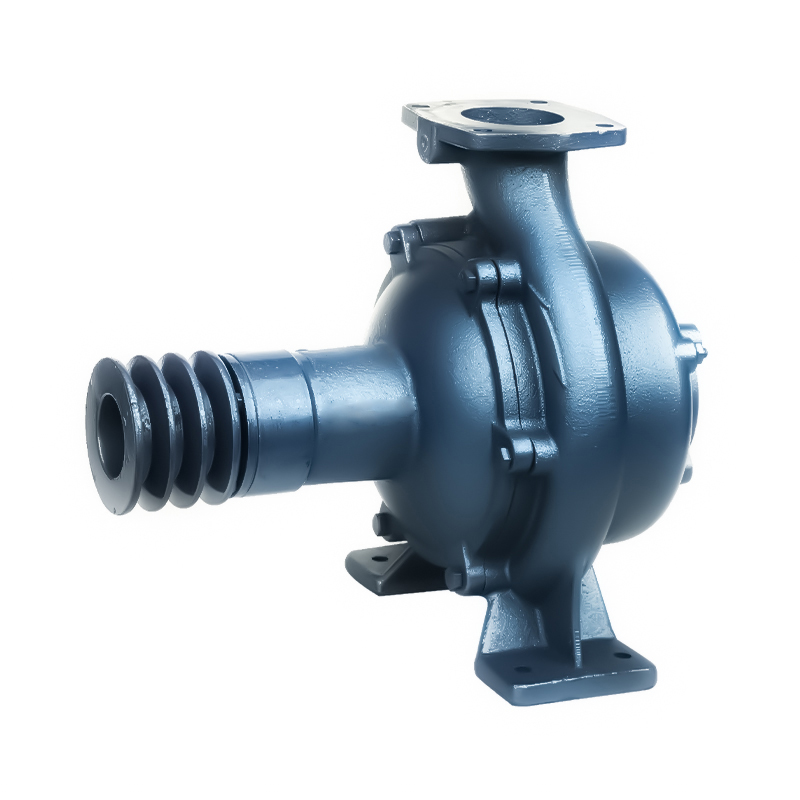
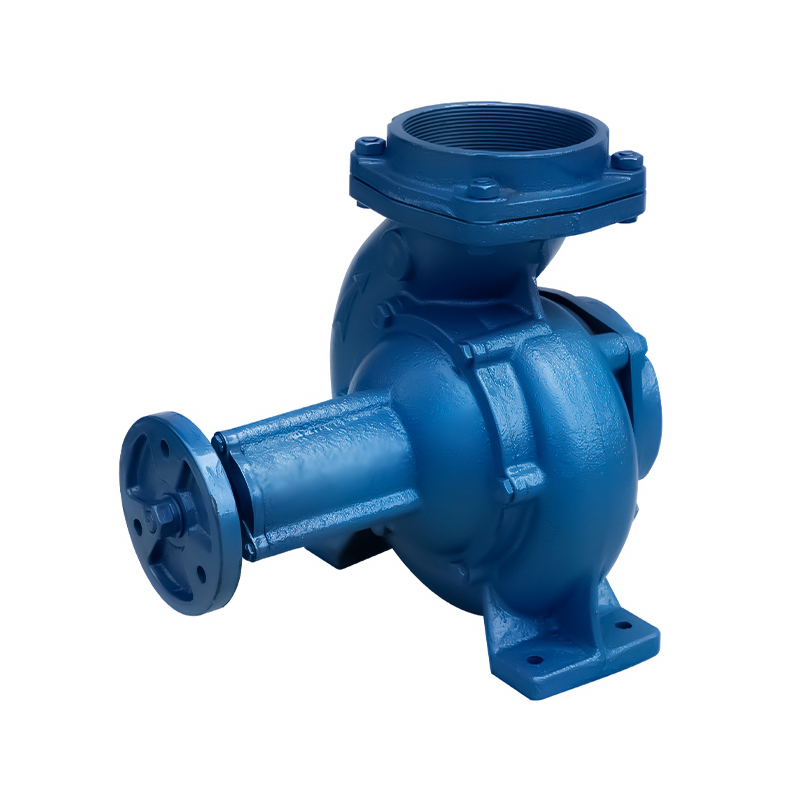
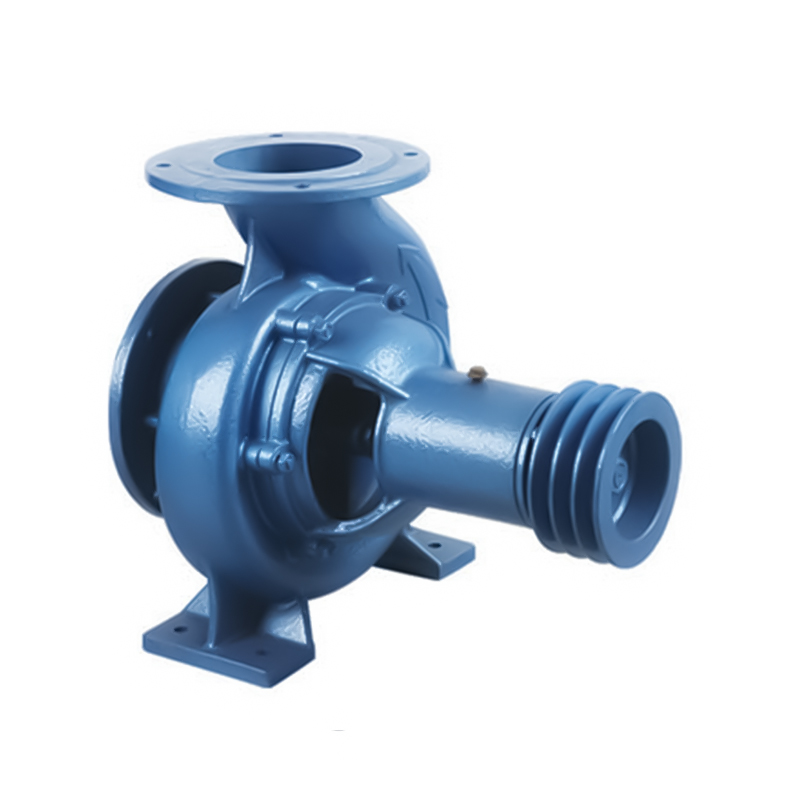
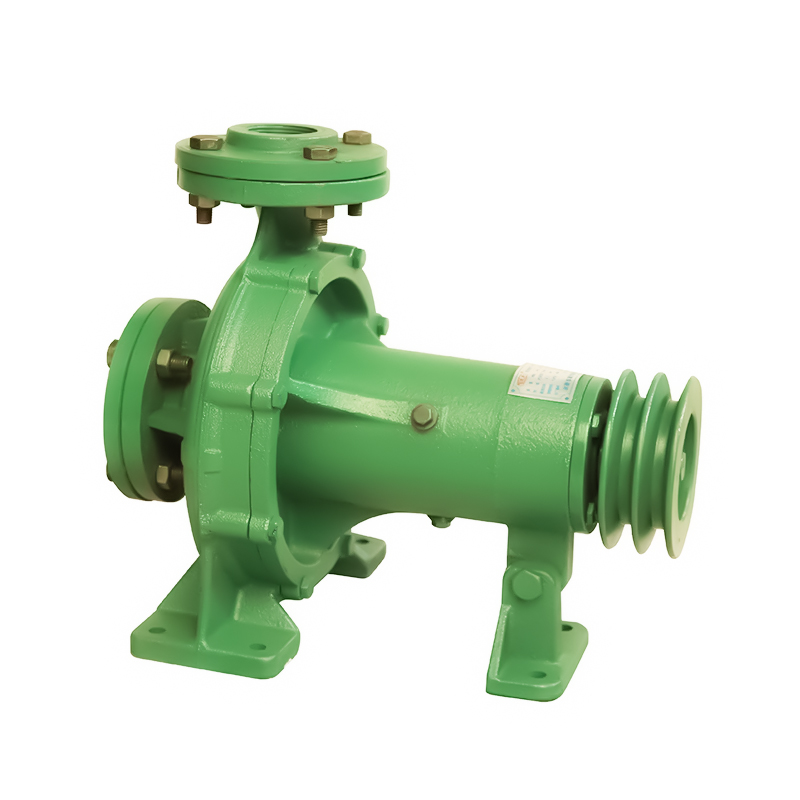
A Sprinkler Irrigation Self-Priming Pump is valued for its ability to draw water efficiently from surface sources, but users occasionally encounter issues when the pump fails to start or struggles to build suction. These starting failures interrupt irrigation schedules and can cause dry patches across lawns or gardens. Fortunately, many of these problems can be traced to straightforward causes. This article reviews common starting issues and offers practical solutions for restoring normal pump operation.
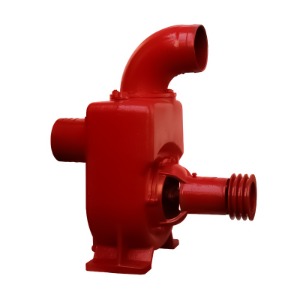
Pump Does Not Prime
Failure to prime is one of the many frequently reported problems. Priming issues often stem from air leaks in the suction hose, loose fittings, worn gaskets, or an unfilled pump housing. A simple way to begin troubleshooting is to inspect all suction line connections to ensure they are tight and properly sealed. Even a small opening may draw air rather than water. Users should also check the foot valve or check valve to confirm it opens and closes smoothly. When the pump casing lacks sufficient priming water, the system may run dry and fail to draw water upward. Filling the pump chamber before starting helps avoid this situation.
Motor Runs but No Water Flow
Another common issue occurs when the motor turns, but water does not reach the discharge side. This can happen when the suction line is blocked, the water source is too shallow, or the impeller becomes obstructed. Users should confirm that the intake area is submerged and free of debris. A partially clogged hose or filter may also reduce water intake. If the impeller is jammed by small particles, disassembling the pump casing and cleaning the internal chamber usually restores function.
Pressure Output Is Unstable
Unstable or weak pressure output can result from air trapped in the system, partially blocked fittings, or an oversized irrigation load that exceeds the pump’s flow capability. When air accumulates in the pipe network, the pump may push water intermittently. Bleeding the air from the system can help restore smooth flow. Inspecting each sprinkler head for blockages further ensures that the water distribution remains consistent.
Unusual Noise or Overheating
Noise and heat problems sometimes appear when the pump operates without enough water or when bearings begin to wear. Users should check the water supply to ensure adequate inflow and avoid dry-running conditions. Excessive noise may also indicate loose mounting hardware or vibration due to misalignment. Securing the pump base and ensuring all bolts are tightened reduces mechanical stress on the system.
Electrical Causes of Starting Problems
Electrical issues such as weak power supply, loose wiring, or faulty switches can also affect startup. Outdoor plugs should be shielded from moisture to prevent short circuits. Ensuring proper grounding and inspecting wiring for cracking or corrosion helps maintain dependable electrical flow. If a pump starts intermittently, it may indicate a failing capacitor or thermal overload response triggered by excess heat.
Preventive Measures
Several preventive steps can reduce the recurrence of starting issues. Installing a check valve helps keep water in the suction line, supporting easier priming. Using a reinforced hose reduces the risk of collapsing under suction. Regularly cleaning the intake area reduces the chance of debris blocking the impeller. Monitoring seal condition and replacing worn components helps maintain airtight operation.
Starting failures in a Sprinkler Irrigation Self-Priming Pump can often be resolved with basic inspection and systematic troubleshooting. Understanding the causes of priming loss, blocked flow, unstable pressure, and electrical inconsistencies helps users restore normal pump performance quickly. Careful operation and preventive maintenance support smoother irrigation cycles and better long-term functionality.

 Email:
 Phone:+86-13605899207