


 English
 русский
 Español
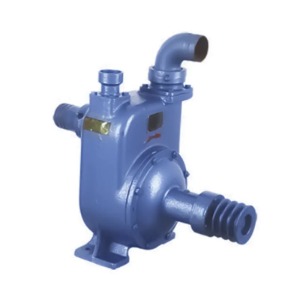
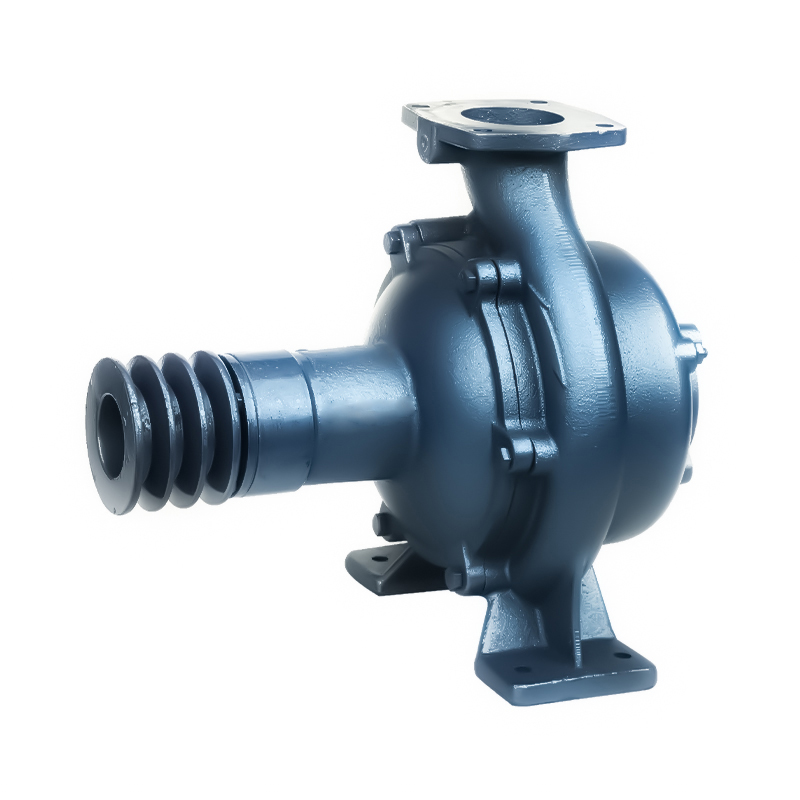
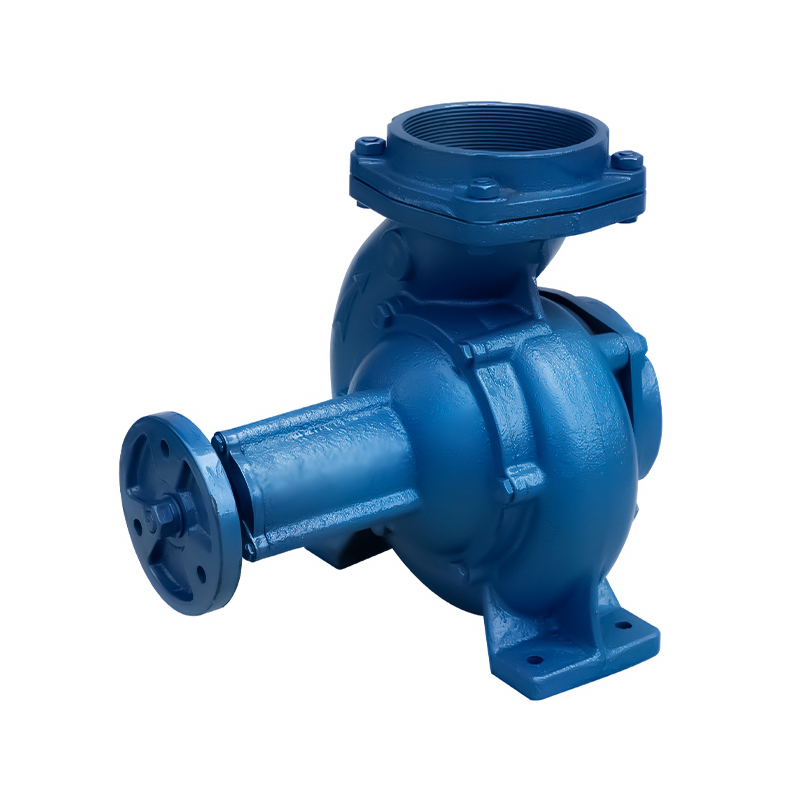
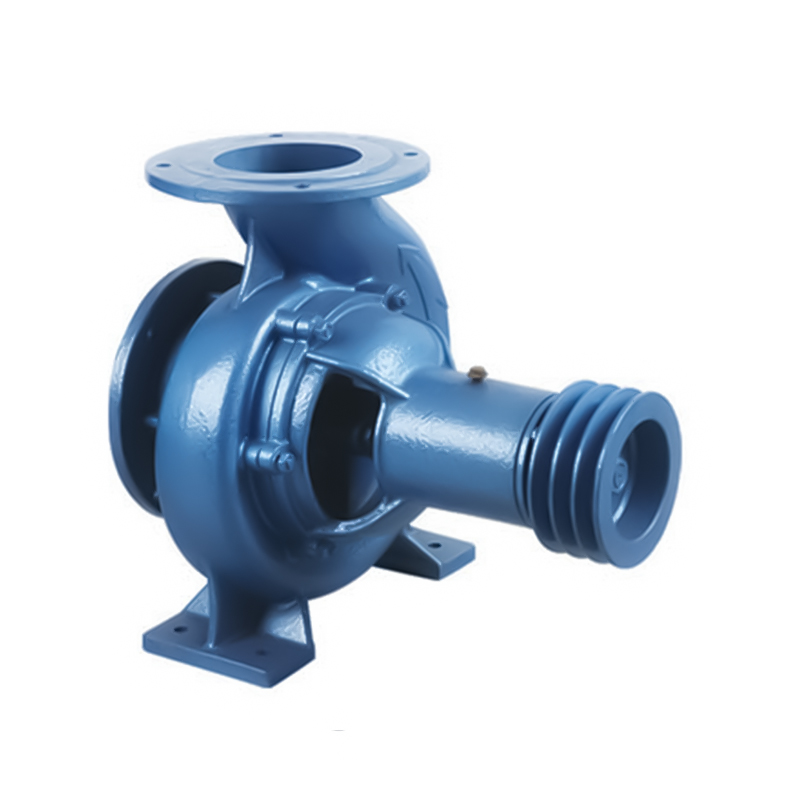
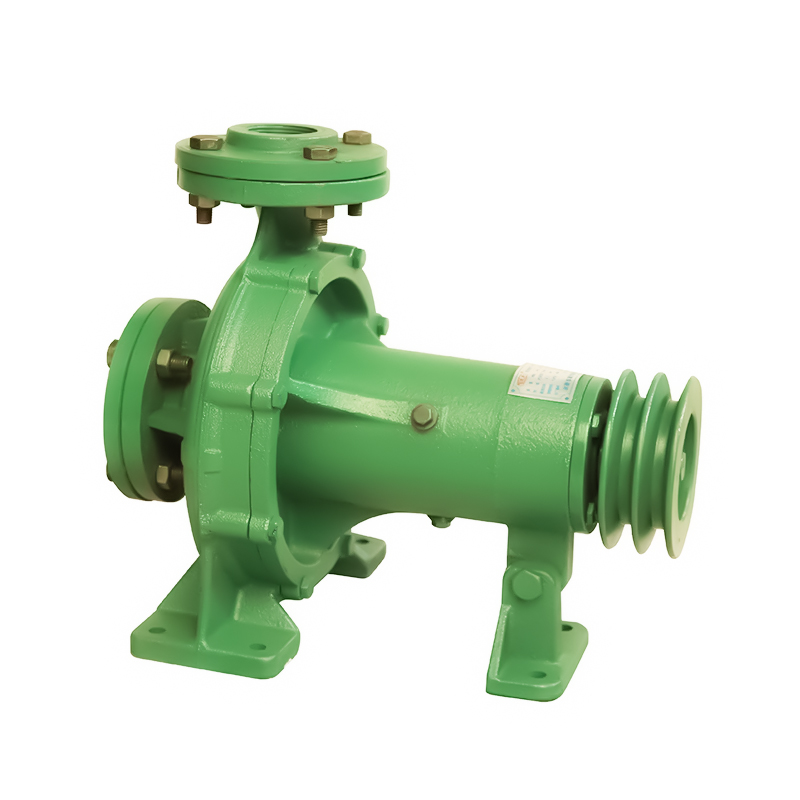
A Sprinkler Irrigation Self-Priming Pump plays a central role in many lawn and garden irrigation systems, yet users frequently overlook the importance of regular maintenance. Because the pump operates outdoors and is exposed to environmental changes, dirt, and varying water quality, proper upkeep can greatly improve its performance and service life. This maintenance guide outlines practical steps that help users keep their pump running smoothly while preventing premature wear and unexpected failures.
Routine Inspection and Basic Checks
Routine inspection is one of the simplest ways to detect early signs of trouble. Pump owners are encouraged to visually examine the housing, connector joints, and fasteners for any leaks or cracks. Even minor moisture around the seal area may signal early gasket deterioration. Listening for unusual vibrations or irregular motor noise can also provide early warnings. A pump that begins to vibrate excessively or produces unusual sounds may be facing internal misalignment or bearing fatigue.
Cleaning and Preventing Blockages
Clogging is a common problem in irrigation pumps, particularly when water is drawn from outdoor sources such as ponds or tanks. Leaves, sand, or small debris may accumulate inside the suction line or at the impeller, gradually reducing flow efficiency. Regular cleaning of filters, strainers, and inlet screens helps preserve consistent water movement. In areas where water contains fine sediment, adding an external filter can greatly reduce debris entering the pump. This simple preventive measure helps protect the impeller from abrasion and supports smoother long-term operation.
Maintaining Proper Priming Conditions
Even though a self-priming pump is designed to purge air automatically, proper priming remains important. The pump casing must hold enough water to begin the priming process. If the pump is opened or drained for maintenance, users should replenish the priming water before restarting the system. When the suction line has leaks or loose joints, air may enter the system, causing the pump to repeatedly lose its prime. Ensuring airtight connections and secure clamps helps the pump maintain a stable prime for dependable performance.
Winter Protection and Seasonal Care
Seasonal temperature changes can significantly affect pump durability. During colder months, any water left inside the pump body may freeze and cause internal cracking. To avoid damage, the pump should be fully drained before freezing conditions arrive. Covering the pump with protective insulation also helps reduce exposure to snow, frost, and wind. In warmer seasons, shading the pump from direct sunlight helps preserve its seals and casing, preventing accelerated aging.
Lubrication, Seals, and Wear Components
Some pumps include lubrication points for bearings or rotating parts. Following a consistent lubrication schedule helps reduce friction and prevent overheating. The pump’s mechanical seals and gaskets naturally wear over time and should be inspected periodically. Small leaks, reduced suction power, or irregular pressure output may indicate worn seals that need replacement. Refreshing these components helps restore the pump to stable operation without requiring full unit replacement.
Electrical Care and Motor Safety
The motor powering the pump must also be monitored. Outdoor connections should be protected from moisture, and extension cords should be avoided when possible. Loose wiring or damaged insulation may cause intermittent power loss or inconsistent startup. Users should periodically check that the motor casing stays clear of debris to allow proper ventilation.
Regular maintenance of a Sprinkler Irrigation Self-Priming Pump is essential for ensuring reliable irrigation throughout the year. By inspecting the pump routinely, maintaining clean water pathways, protecting the pump seasonally, and caring for motor components, users can significantly extend its service life. A consistent maintenance routine helps prevent costly repairs and keeps irrigation systems running smoothly during each watering cycle.

 Email:
 Phone:+86-13605899207