


 English
 русский
 Español
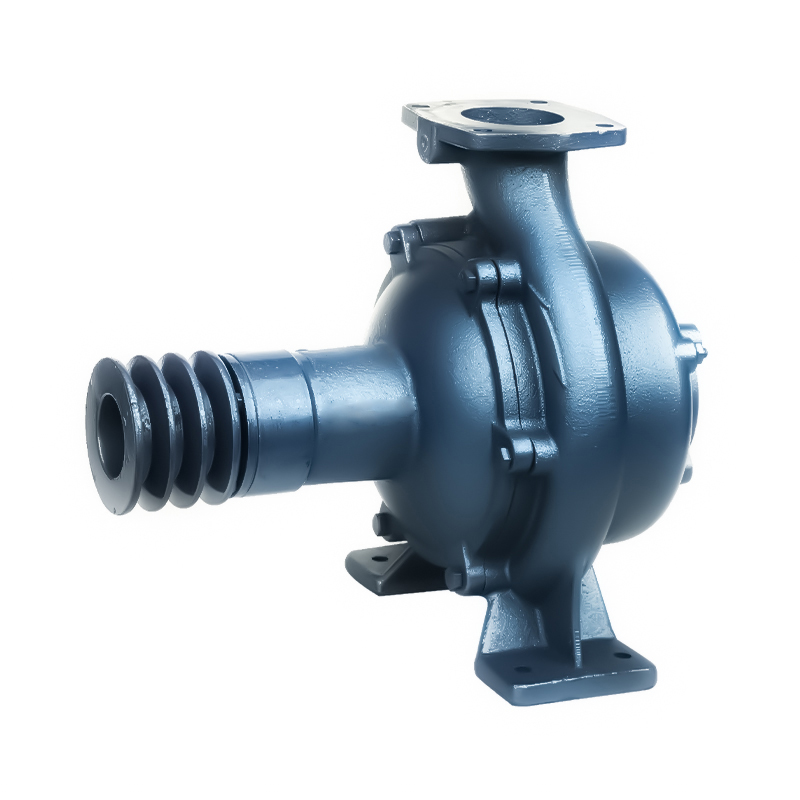
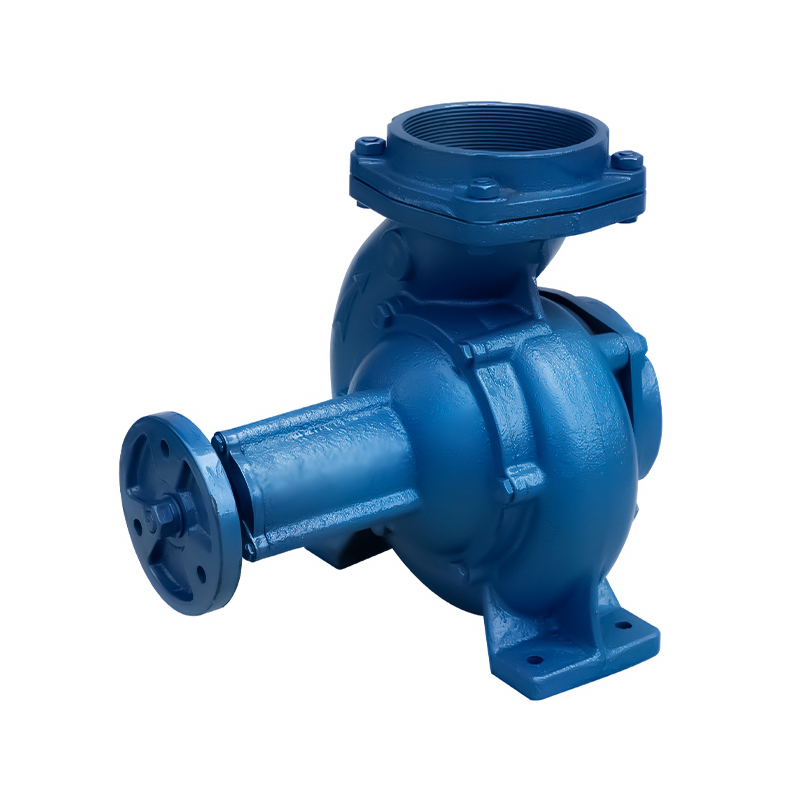
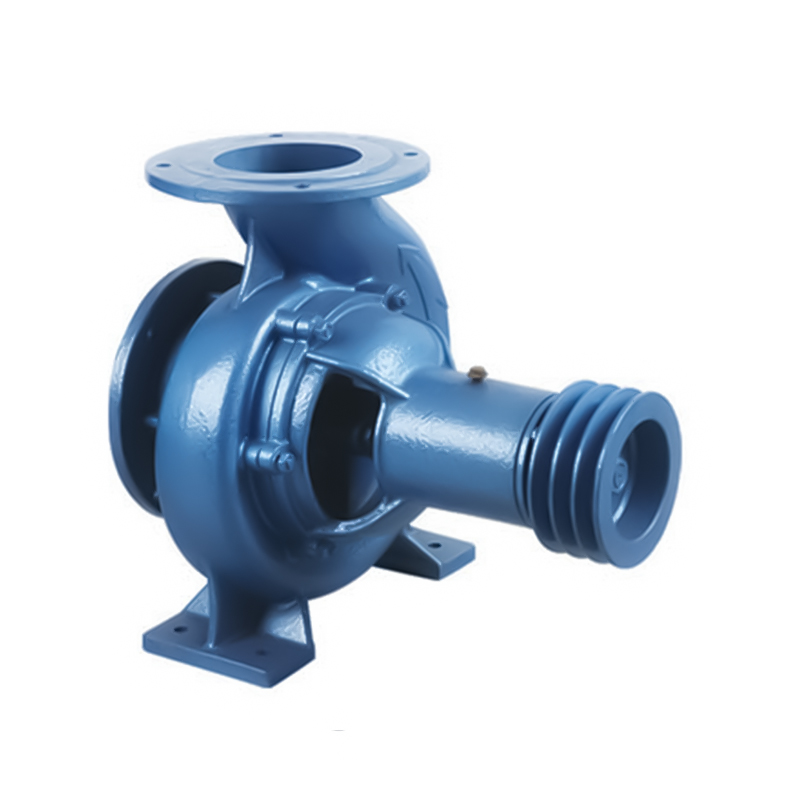
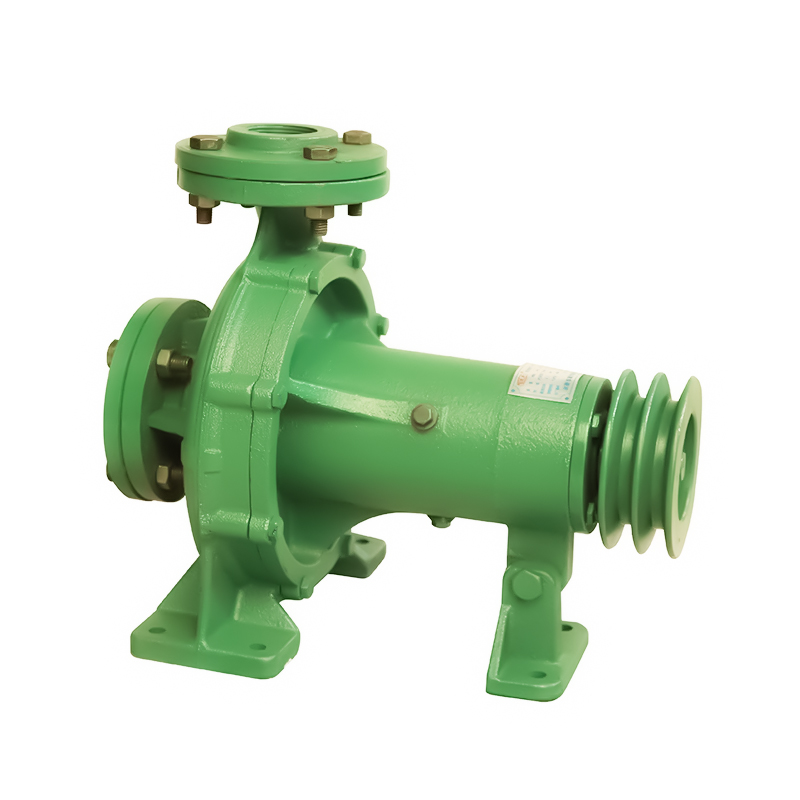
The Sprinkler Irrigation Self-Priming Pump has become a popular choice for homeowners and small agricultural users who need a dependable system to support lawn and garden irrigation. With increasing attention on water efficiency and system stability, buyers are actively researching how to select a pump that fits their installation and daily usage needs. Many users find that different models vary greatly in performance, and the pump selected can significantly influence coverage area and system durability. To help users make an informed choice, this article outlines five major factors that should be examined before deciding on a new pump.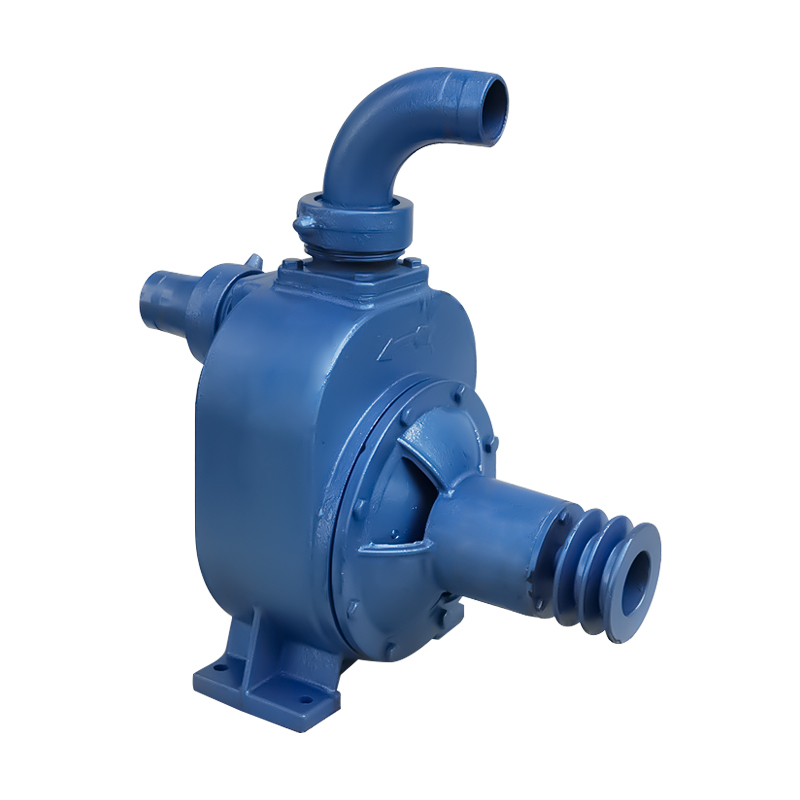
Flow Rate and Pressure Output
The flow rate of a pump directly affects how far water can travel through irrigation piping and how many sprinkler heads can be operated at once. A stable pressure output helps ensure uniform coverage, especially in larger yards or areas with uneven water distribution. When evaluating flow capacity, users often check how well the pump can sustain steady output without fluctuations. This is especially important for systems that operate for extended periods, as inconsistent pressure may result in dry spots and uneven soil moisture.
Suction Lift and Water Source Conditions
Another essential factor is suction lift, which determines how effectively the pump can draw water from a pond, shallow well, tank, or other surface source. A Sprinkler Irrigation Self-Priming Pump typically supports applications where the pump is positioned above the water level, but users still need to consider the distance between the pump and the water source. Long or uneven suction lines may introduce air into the system, and water sources with variable levels can create added difficulty for priming. Understanding these conditions helps buyers select a pump that can maintain stable suction throughout seasonal changes.
Material and Build Quality
The materials used in the pump housing, impeller, and seals play a significant role in long-term durability. Metal housings are valued for their strength, while corrosion-resistant coatings help protect against moisture exposure. Pumps that handle water containing small debris also benefit from reinforced impellers and protective sealing systems. A strong build helps reduce internal wear and supports continuous outdoor use. Users often prefer pumps with protective features that reduce the risks of leaks, vibration, and internal abrasion.
Power Requirements and Motor Efficiency
Another key area of evaluation is power compatibility. A pump should match the available power supply and should run efficiently without overheating. Buyers also check whether the motor casing can handle outdoor conditions and whether the pump includes built-in protection mechanisms for extended operations. A properly sized motor ensures smoother startup, lower strain on the system, and improved reliability during long watering cycles.
Installation Compatibility
Ease of installation is frequently mentioned as a concern among buyers. Useful considerations include inlet and outlet sizes, connection type, and fitment with existing irrigation lines. A pump that integrates smoothly with current pipe layouts reduces installation time and avoids the need for extra adapters. For gravity-fed systems or systems with long pipelines, compatible fittings and correctly sized hoses are especially important. Proper installation also helps reduce suction issues and improves priming performance.
Selecting a Sprinkler Irrigation Self-Priming Pump that matches your irrigation needs involves evaluating several practical factors. Flow performance, suction lift, build quality, motor requirements, and compatibility each influence daily operation and long-term service life. By carefully examining these elements before purchase, users can match the pump to their watering system with greater confidence and enjoy a more reliable irrigation experience.

 Email:
 Phone:+86-13605899207