


 English
 русский
 Español
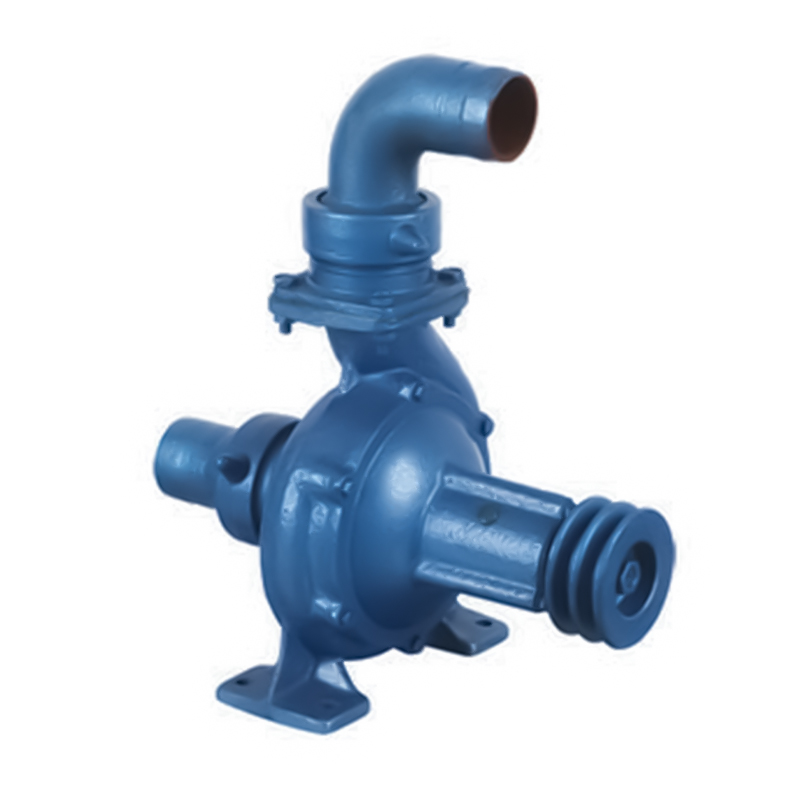
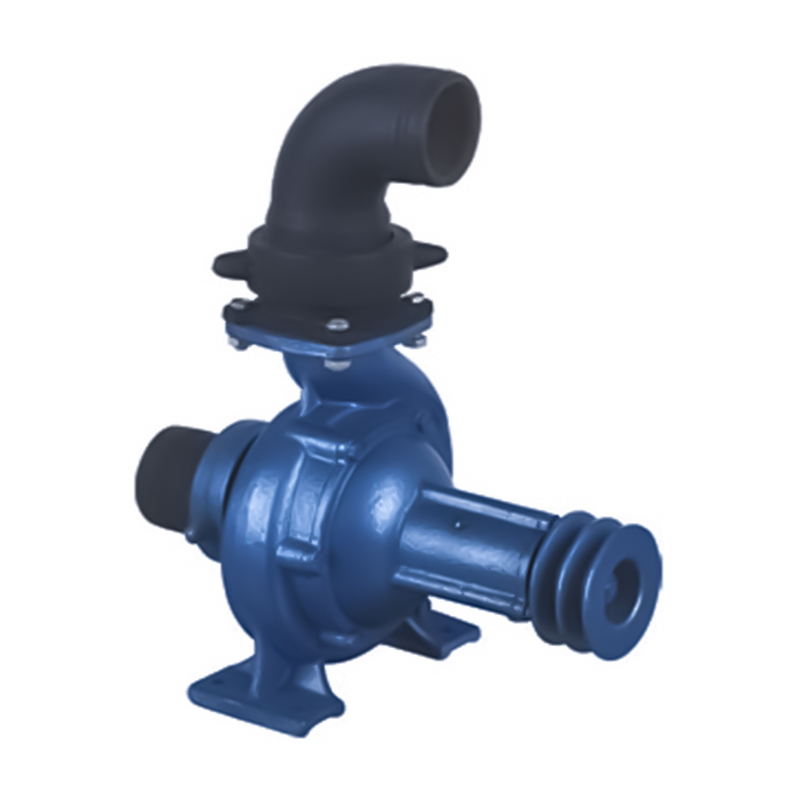
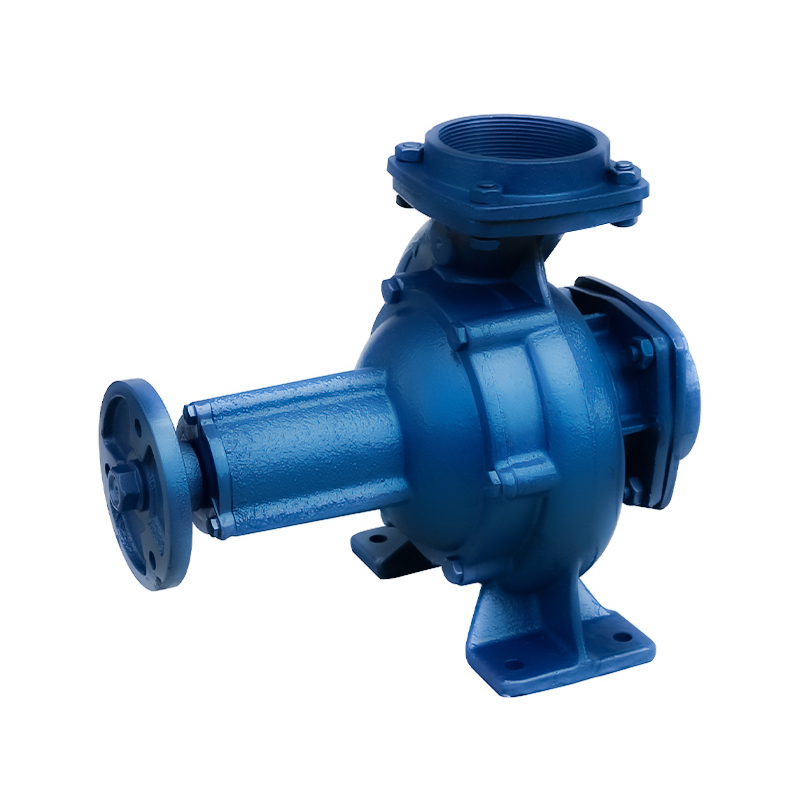
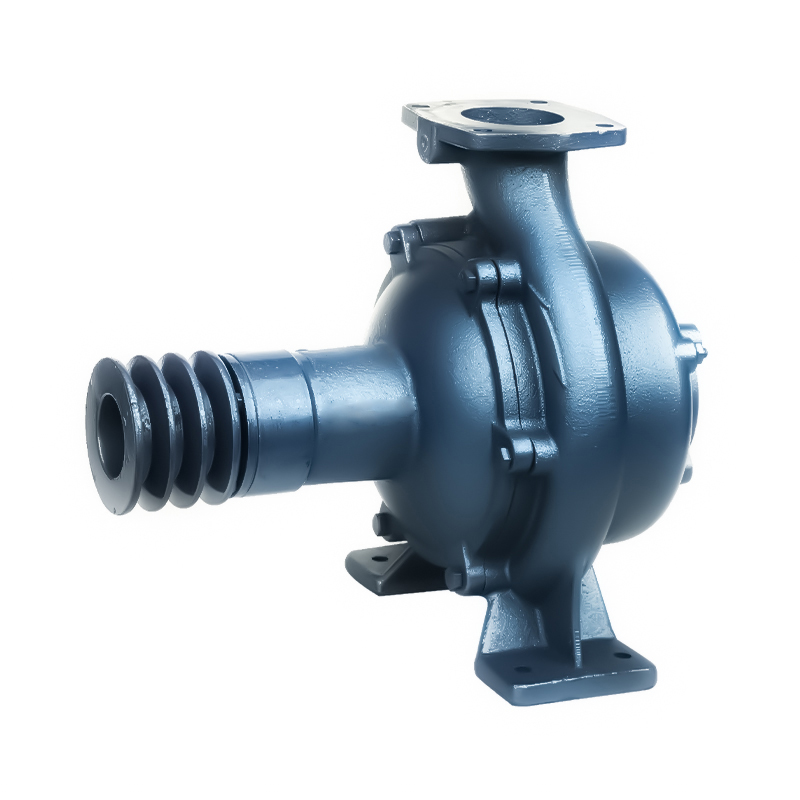
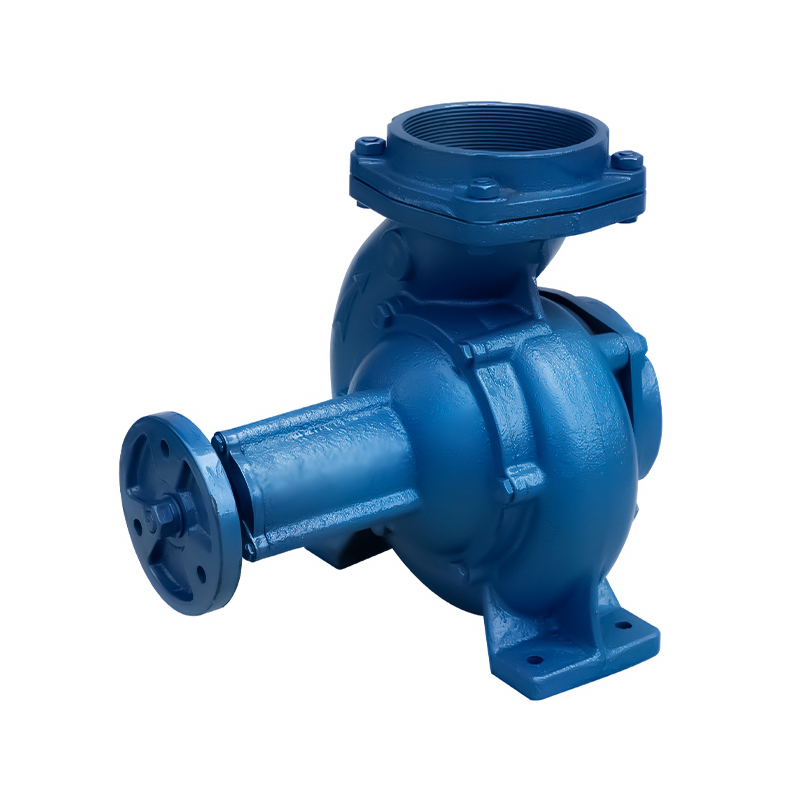
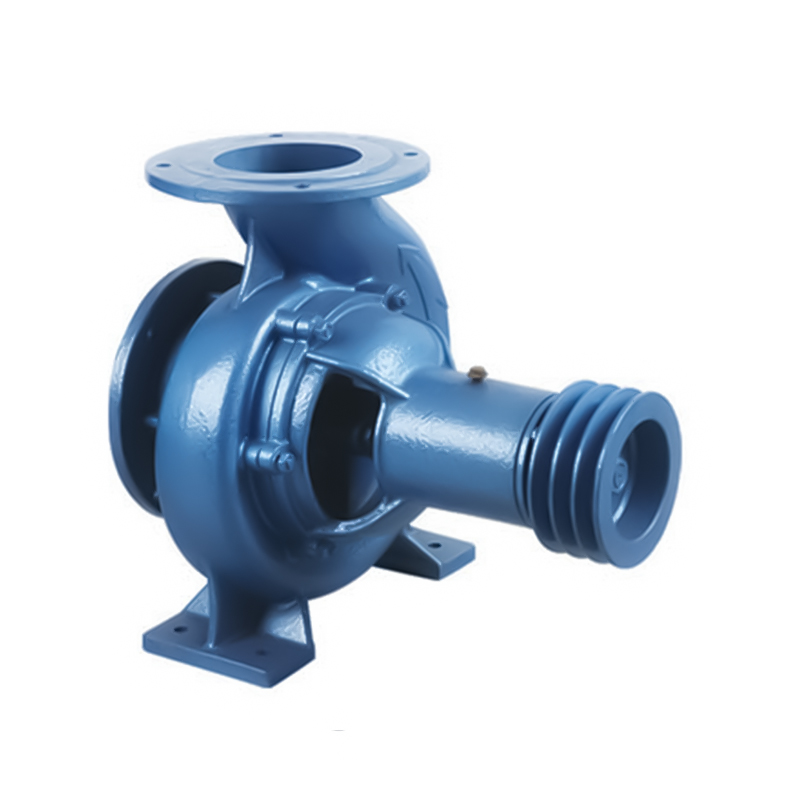
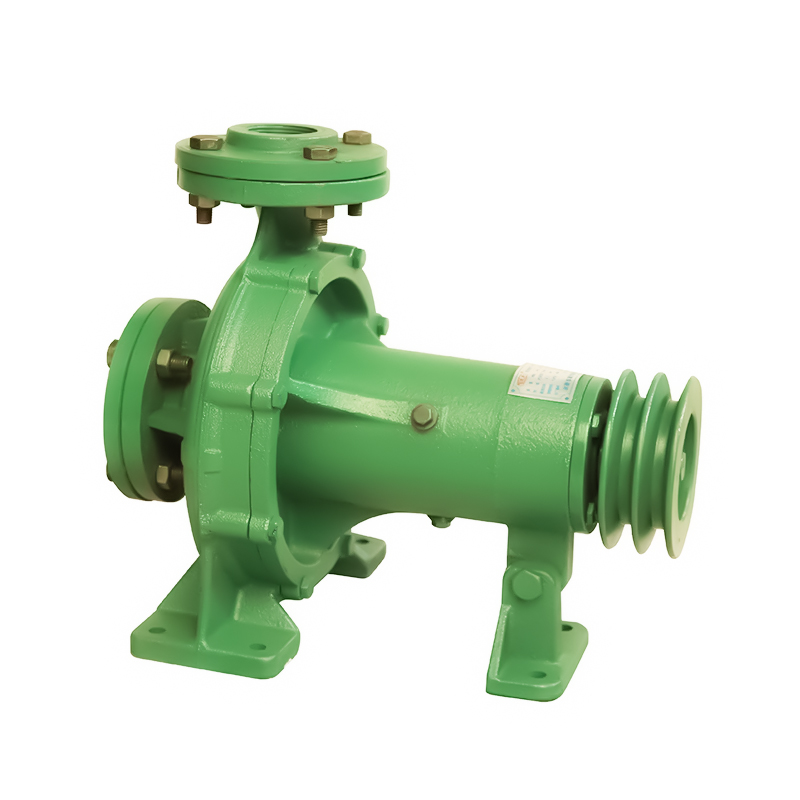
Drip Irrigation Centrifugal Pump provides home gardeners with a reliable, low-effort way to deliver water directly to plant roots while maintaining consistent soil moisture levels. Home irrigation systems often differ from large-scale agricultural setups in size and complexity, yet they require the same attention to balance and consistency for point results. This guide explains how home gardeners can confidently select, install, and maintain a pump while avoiding unnecessary complexity and frustration.
Understanding Home Garden Watering Needs
Home gardens typically include a variety of plants, each with distinct watering requirements. Vegetables, flowers, and shrubs may coexist within a limited space, making uniform watering a challenge. Drip irrigation allows precise water placement directly at the base of each plant, reducing runoff and evaporation that wastes water. Understanding how water moves through the drip system and into the soil helps gardeners maintain healthy soil conditions while avoiding excess moisture that can advance to root rot.
Selecting a Pump Suitable for Home Use
Choosing the right centrifugal pump begins with evaluating your garden’s size, layout, and total water demand. A pump designed for steady, consistent flow ensures even water distribution across all drip lines, so no plant is under- or overwatered. Durability and resistance to outdoor elements—such as sun, rain, and temperature fluctuations—are important considerations for long-term use. Additionally, compatibility with basic filtration systems reduces clogging in drip emitters and simplifies maintenance for busy home users.
Installation Made Simple
Installing a centrifugal pump for home drip irrigation can be a manageable DIY task with careful planning and step-by-step execution. The pump should be placed close to your water source (such as a hose spigot or rain barrel) on level, stable ground to prevent vibration. Suction lines must be sealed securely with proper fittings to avoid air entry, which can disrupt pump performance. Priming the pump before it's one operation ensures smooth water movement through the entire system. After installation, testing the system by running it briefly confirms uniform water delivery across all plants.
Maintenance Practices for Gardeners
Routine maintenance is key to keeping your drip irrigation centrifugal pump running smoothly year after year. Regularly cleaning the system’s filters prevents debris buildup that can restrict water flow and damage the pump. Inspecting tubing and connectors monthly helps identify small leaks early, before they waste water or reduce system efficiency. Seasonal preparation, such as draining water from the pump and tubing during inactive periods (like winter), protects system components from freezing and cracking. These simple, quick tasks extend the working life of your irrigation equipment.
Efficient Watering Techniques
Efficient watering with your drip system depends on strategic timing and careful observation of your garden. Watering during cooler periods—such as early morning or late evening—supports better water absorption by the soil and reduces evaporation caused by midday heat. Adjusting emitter placement as plants grow ensures water reaches their root zones effectively. Monitoring soil moisture (using a simple moisture meter or even your finger) helps avoid overwatering and supports balanced growth throughout the garden.
Avoiding Common Home Irrigation Mistakes
Several common mistakes can disrupt home drip irrigation systems. Ignoring filter maintenance or overlooking small leaks can gradually reduce water pressure and distribution. Using incompatible tubing sizes with your pump may affect system balance, advanced to uneven watering. Failing to monitor system performance over time can result in inconsistent moisture levels that harm plants. Awareness of these common issues allows gardeners to maintain consistent irrigation without frequent adjustments or repairs.
Benefits of Consistent Drip Irrigation
Consistent, targeted drip irrigation supports healthier plants and stable soil conditions. Controlled water delivery reduces the time and effort spent on manual watering, making garden management more efficient. Over time, reliable irrigation contributes to stronger, deeper root systems and improved plant resilience against drought and disease, resulting in a more vibrant, productive garden.
Confident Gardening with Simple Tools
With proper understanding of your garden’s needs and basic care for your equipment, a Drip Irrigation Centrifugal Pump becomes an indispensable, easy-to-use tool for home gardeners. Clear installation steps, regular maintenance routines, and mindful watering habits all support efficient, effective irrigation. This approach allows gardeners to enjoy healthy, thriving plants while maintaining control over water use and minimizing waste.

 Email:
 Phone:+86-13605899207