


 English
 русский
 Español
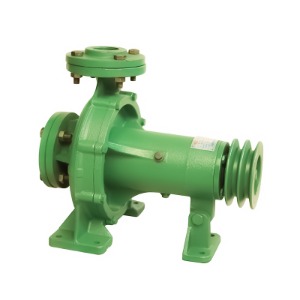
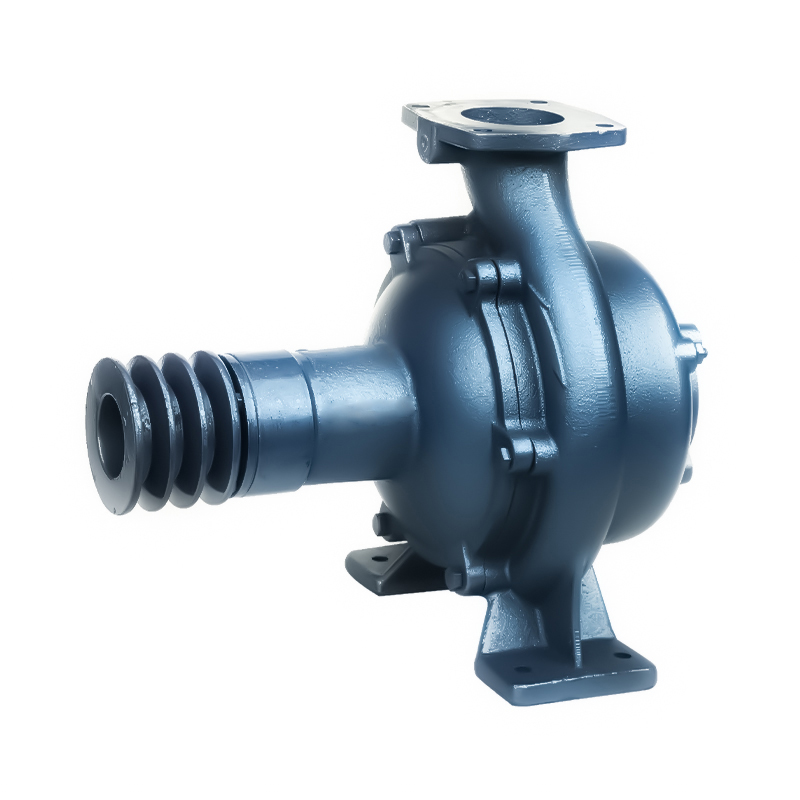
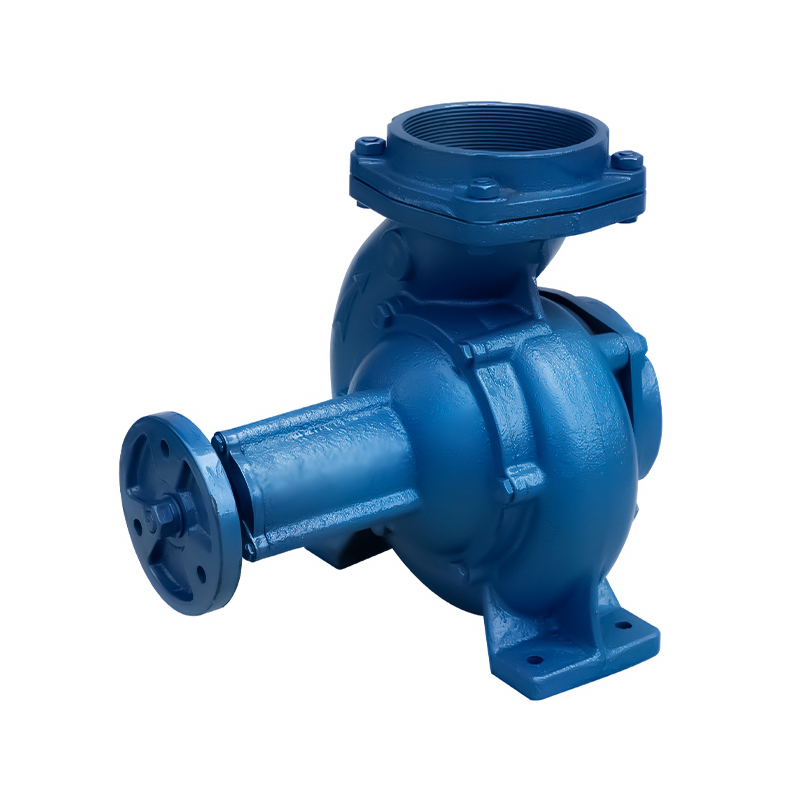
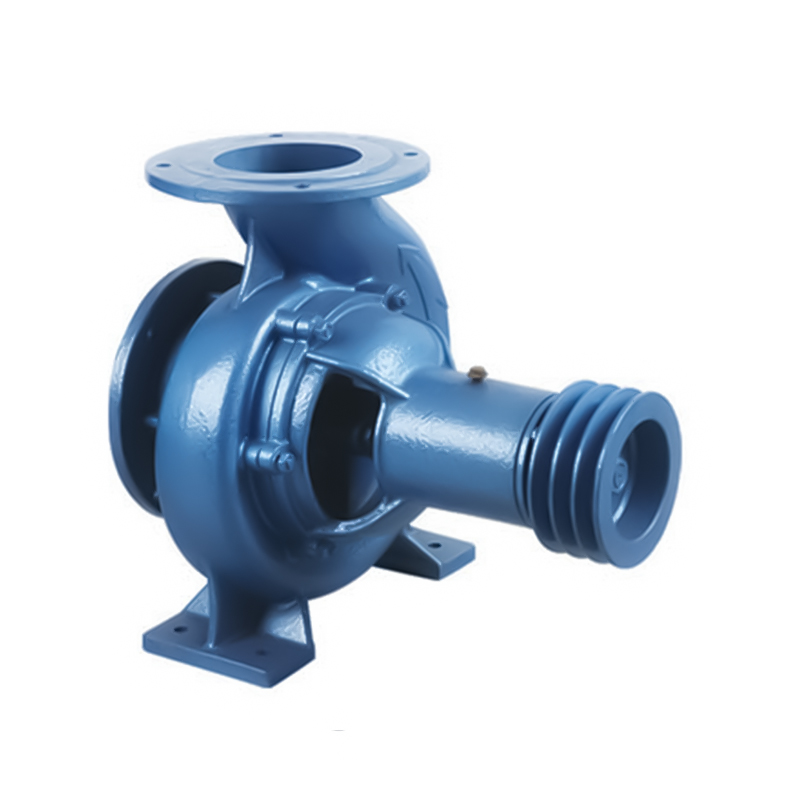
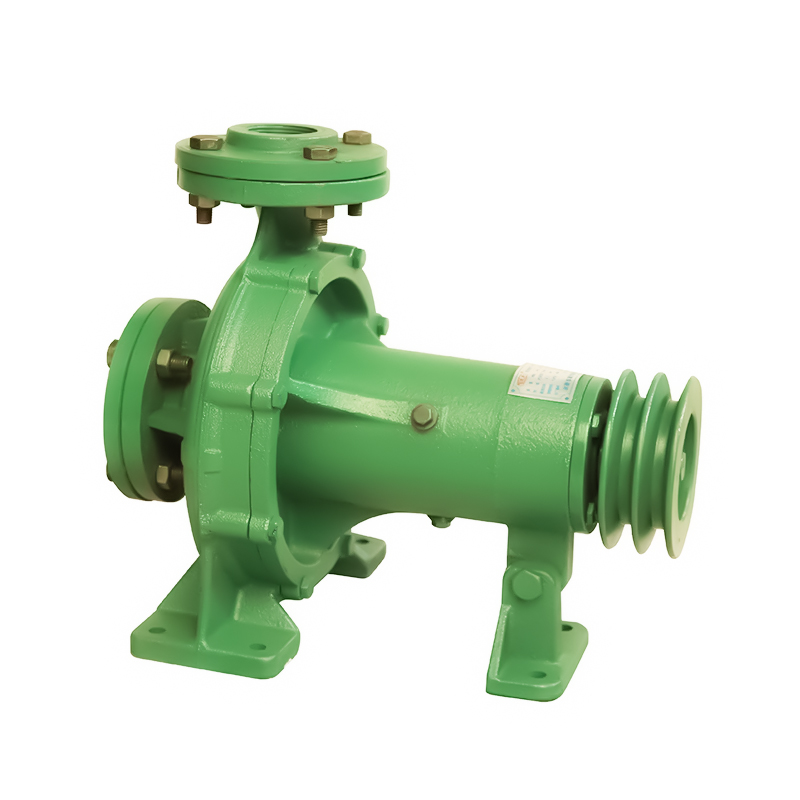
Drip Irrigation Centrifugal Pump plays a crucial role in energy-efficient watering by supporting controlled, steady flow that is perfectly suited for drip irrigation systems. Energy use in irrigation largely depends on three key factors: pump selection, rational system design, and scientific daily operation habits. Understanding how these three factors interact with each other helps users effectively manage water delivery while significantly reducing unnecessary energy consumption.
How Pump Operation Affects Energy Use
Energy consumption tends to increase significantly when pumps operate under unfavorable working conditions. Excessive resistance in piping, blocked filters due to sediment accumulation, or air entry into the irrigation system can all increase the pump’s workload. In contrast, balanced flow and stable pressure allow water to move smoothly through the system, supporting efficient pump operation. Understanding these relationships helps users make informed adjustments to optimize performance.
Selecting Pumps with Efficiency in Mind
Selecting a pump that closely aligns with the specific needs of the irrigation project supports steady and efficient operation. Pumps specifically designed for consistent, low-volume flow are ideal for drip systems that rely on uniform water distribution to each plant. Additionally, compatibility with pressure control components allows better regulation of water movement, preventing energy waste from excessive pressure. Durable, high-quality materials reduce internal friction within the pump, supporting long-term efficiency and reducing maintenance needs.
Importance of System Layout
The overall layout of the irrigation system directly influences energy use. Shorter pipe runs and smooth, leak-free connections minimize hydraulic resistance, reducing the pump’s energy output. Properly sized tubing, matched to the pump’s flow capacity, supports balanced flow across all irrigation zones. Filters and valves should be placed in accessible locations to facilitate regular cleaning and maintenance, which is essential for sustaining efficiency. A thoughtful layout design thus supports both point water distribution and energy conservation.
Operating Practices That Support Efficiency
Irrigation schedules and operating practices have a direct impact on energy use. Operating the system during cooler periods of the day, such as early morning or late evening, supports stable flow and reduces stress on pump components caused by high temperatures. Avoiding unnecessary runtime, such as irrigating during or immediately after rain, further reduces power consumption. Regularly monitoring system behavior allows for timely adjustments that maintain balanced operation and prevent energy waste.
Maintenance as an Efficiency Tool
Routine maintenance directly affects the pump’s energy efficiency and overall performance. Clean filters and clear tubing allow water to flow freely, minimizing resistance and reducing the pump’s workload. Regularly inspecting pump components—such as impellers and seals—helps identify wear and tear that may increase internal resistance. Consistent, proactive maintenance supports stable, efficient operation and prevents gradual efficiency loss over time.
Monitoring System Performance
Regular observation of system pressure and water flow helps users detect subtle changes early. Gradual shifts in pressure or flow rates may indicate sediment buildup, pipe blockages, or alignment issues with the pump. Addressing these changes promptly supports steady performance and prevents more significant energy waste. Importantly, monitoring does not require advanced or expensive tools but relies on consistent attention to the system’s daily operation.
Long-Term Advantages of Efficient Irrigation
Energy-efficient irrigation, supported by a well-chosen Drip Irrigation Centrifugal Pump, offers dual benefits: sustainable water management and extended equipment longevity. Reduced strain on pump and system components extends their service life, lowering replacement and maintenance costs. Balanced water delivery improves soil moisture consistency, which in turn enhances plant health and crop yields (for agricultural use). These benefits accumulate over time, supporting reliable, cost-effective irrigation across multiple growing seasons.
Practical Steps Toward Efficient Irrigation
Using a Drip Irrigation Centrifugal Pump with careful attention to proper selection, rational system design, and regular maintenance is key to achieving energy-efficient watering. Consistent, science-based operating habits and thoughtful daily operation help users effectively manage water delivery while maintaining control over energy use. This practical approach benefits both large-scale agricultural irrigation systems and smaller residential gardens, promoting sustainability and cost savings.

 Email:
 Phone:+86-13605899207