


 English
 русский
 Español
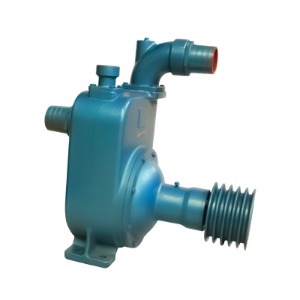
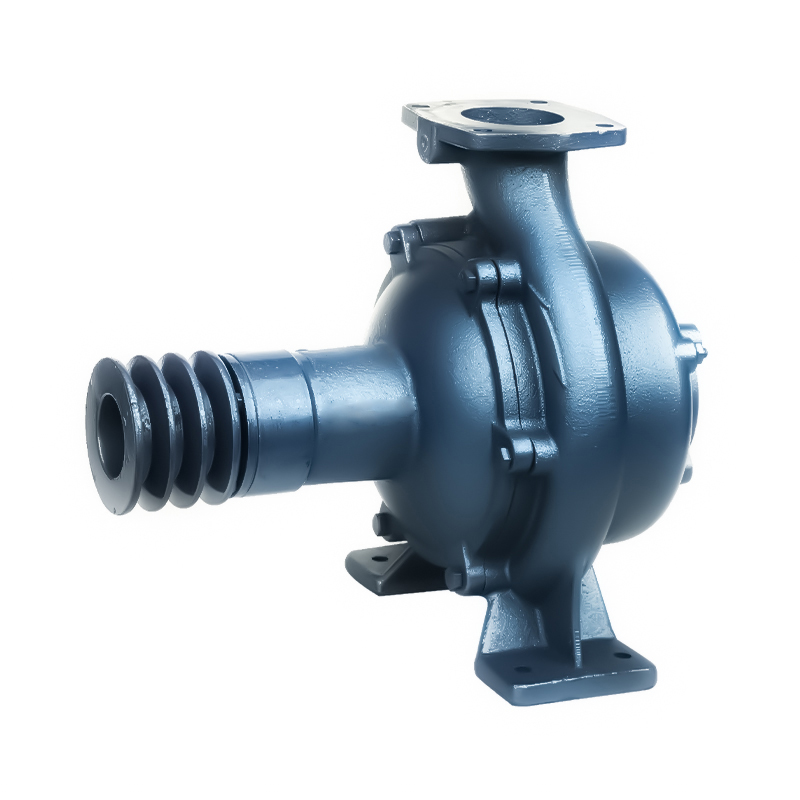
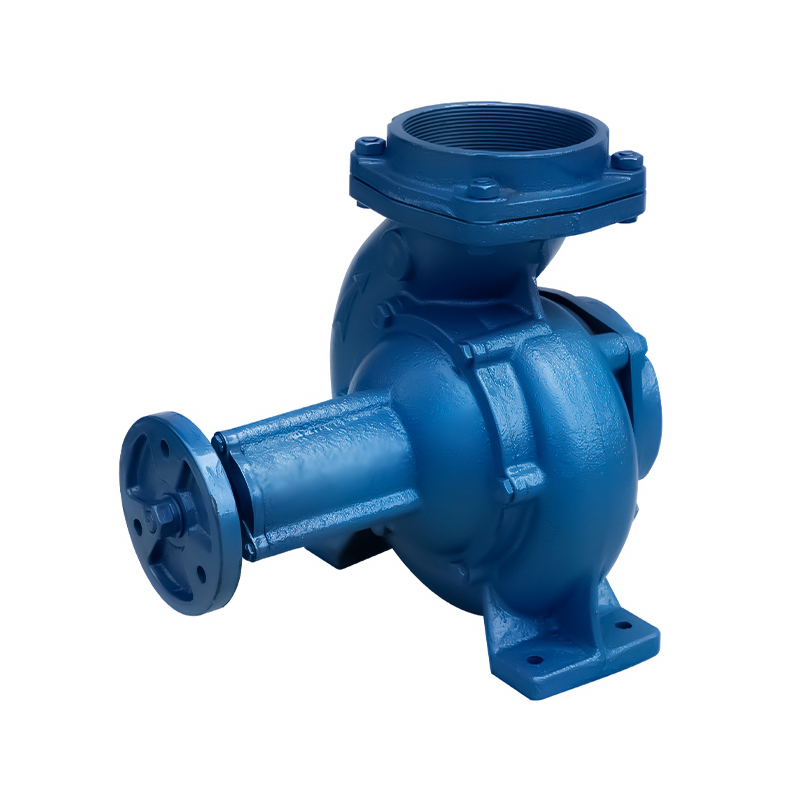
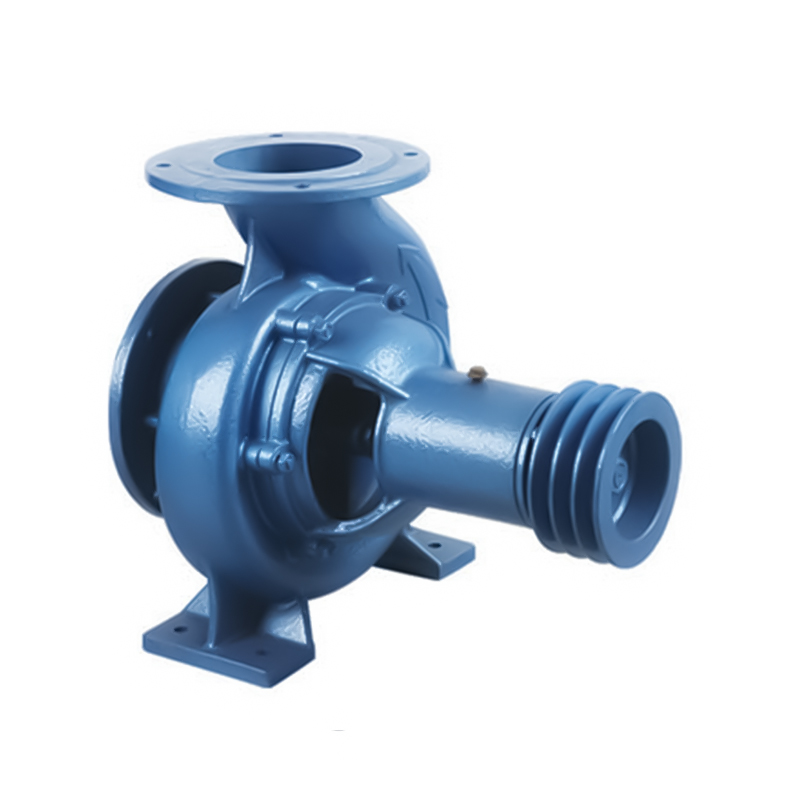
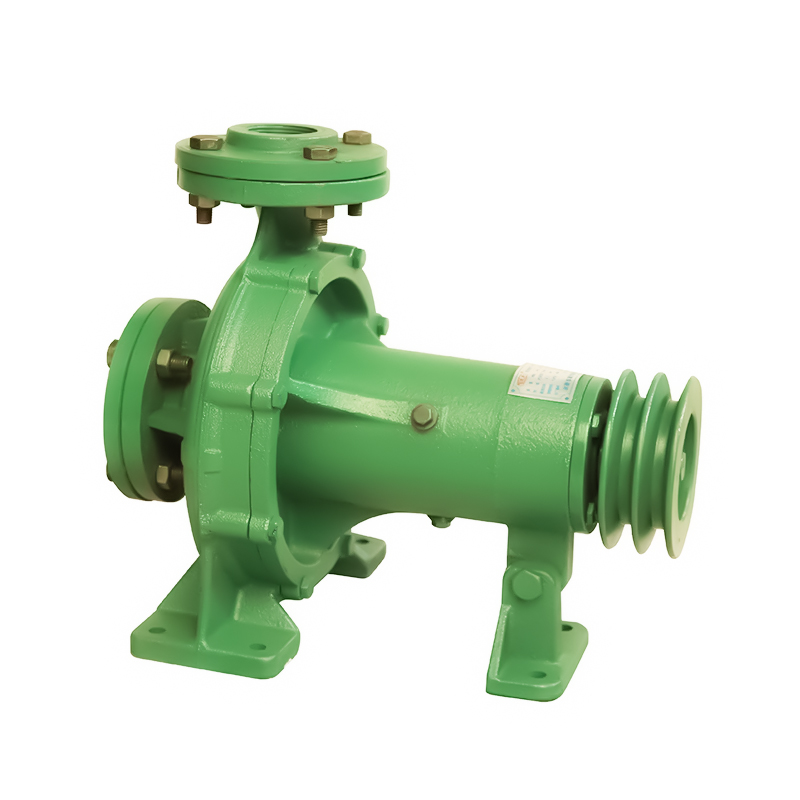
A High Flow Centrifugal Pump is widely used in fluid transport systems where continuous movement of large volumes of liquid is required. These systems often operate under varying pressure and temperature conditions, making hydraulic stability and flow consistency essential for reliable performance. Among the common application environments are water distribution networks and cooling systems, where steady circulation directly affects operational continuity and system efficiency.
Role in Water Transport and Distribution Systems
Water transport systems rely on centrifugal pumping equipment to move liquid between storage facilities, treatment units, and end-use points. In many infrastructure layouts, water must be delivered across long pipelines or through multiple elevation changes, which requires stable hydraulic energy conversion.
In these environments, a High Flow Centrifugal Pump supports continuous fluid movement by maintaining a consistent flow rate through the system. This is important in municipal water distribution, where pressure variations must be managed across different zones, as well as in large-scale irrigation systems where water needs to be distributed evenly over wide areas.
Agricultural applications often involve long operating cycles, where pumps run for extended periods to support irrigation schedules. In such cases, flow stability becomes more important than short-term performance variations, since uneven distribution can affect downstream system balance.
Industrial water systems also depend on continuous circulation. Water may be used for cleaning processes, raw material handling, or intermediate transfer between production stages. These systems require pumps that can maintain consistent hydraulic output even when demand changes throughout operational cycles.
Cooling System Applications and Thermal Management
Cooling systems represent another major application area where centrifugal pumps are widely used. In HVAC systems, circulating fluid plays a central role in transferring heat between internal environments and external cooling units. The pump ensures that fluid moves continuously through heat exchangers, maintaining stable thermal exchange conditions.
In industrial cooling applications, equipment and machinery generate significant heat during operation. Without continuous fluid circulation, temperature levels can rise and affect system stability. A High Flow Centrifugal Pump helps maintain thermal balance by ensuring that coolant is consistently distributed through the system.
Large-scale cooling infrastructure may involve multiple circulation loops, where fluid must be distributed evenly across different sections. In such systems, stable flow behavior is essential to prevent localized temperature differences that could affect equipment performance.
Power-related cooling systems also depend on continuous circulation to manage heat generated by mechanical and electrical components. These systems often operate under steady conditions for long durations, making reliability and hydraulic consistency key design considerations.
Hydraulic Requirements in Continuous Operation
Systems using high-flow centrifugal pumps typically operate under continuous or semi-continuous conditions. Because of this, maintaining stable hydraulic performance becomes more important than short-term efficiency variations.
Flow stability ensures that pressure distribution remains balanced across the system. When flow conditions fluctuate excessively, hydraulic resistance can increase, affecting overall system behavior. Stable operation helps reduce these variations and supports consistent performance.
Temperature changes in cooling systems can also influence fluid properties such as density and viscosity. These changes may affect flow resistance within the system, requiring the pump to operate under a wider range of conditions while maintaining stability.
Proper system design helps reduce the impact of these variations. When piping layout, elevation differences, and flow pathways are carefully designed, hydraulic conditions remain more predictable during operation.
System Design and Integration Considerations
Integrating a centrifugal pump into water or cooling systems requires careful attention to overall system configuration. Pipe diameter, length, and layout all influence flow resistance and pressure distribution.
Smooth flow paths help reduce unnecessary energy loss caused by turbulence or abrupt directional changes. In systems with complex layouts, maintaining balanced flow conditions becomes even more important to ensure stable hydraulic performance.
Elevation differences between system components can also affect pressure distribution. Proper system planning helps ensure that the pump operates within a stable range, reducing stress on mechanical components.
In cooling systems, maintaining consistent flow is particularly important for heat exchange efficiency. Uneven flow distribution can result in temperature imbalances, which may affect system performance over time.
Material Selection and Long-Term Reliability
Material selection plays an important role in ensuring long-term system stability. Pumps used in water and cooling applications may be exposed to varying fluid conditions, including temperature changes and potential impurities.
Suitable materials help reduce wear and maintain structural integrity over extended operation periods. This is especially important in systems that operate continuously, where maintenance intervals may be limited.
Internal component durability also influences long-term hydraulic performance. When internal surfaces remain stable, flow conditions are less likely to be disrupted by wear-related changes.
Operational Stability and Maintenance Considerations
Long-term operation of centrifugal pumping systems requires attention to maintenance practices. Regular inspection helps identify early signs of wear or imbalance in system components.
Clean internal flow passages support smoother hydraulic performance by reducing resistance. Proper alignment of rotating components helps maintain stable mechanical operation.
In water and cooling systems, maintaining consistent operating conditions is often more important than frequent adjustments. Stable system behavior reduces operational interruptions and supports continuous performance.
System-Level Performance Behavior
The performance of a High Flow Centrifugal Pump is closely linked to the overall system in which it operates. Even if the pump itself is functioning properly, system-level inefficiencies can influence hydraulic behavior.
Proper coordination between pump selection and system design helps ensure balanced operation. When all components are aligned with system requirements, flow distribution becomes more stable and predictable.
Over time, stable system design contributes to more consistent operational behavior across different load conditions.

 Email:
 Phone:+86-13605899207