


 English
 русский
 Español
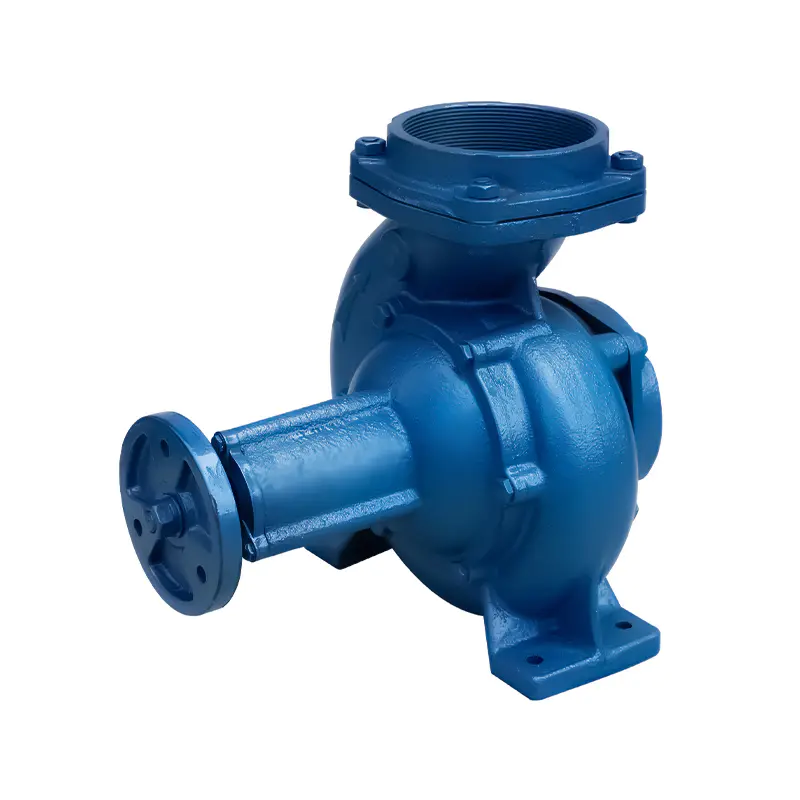
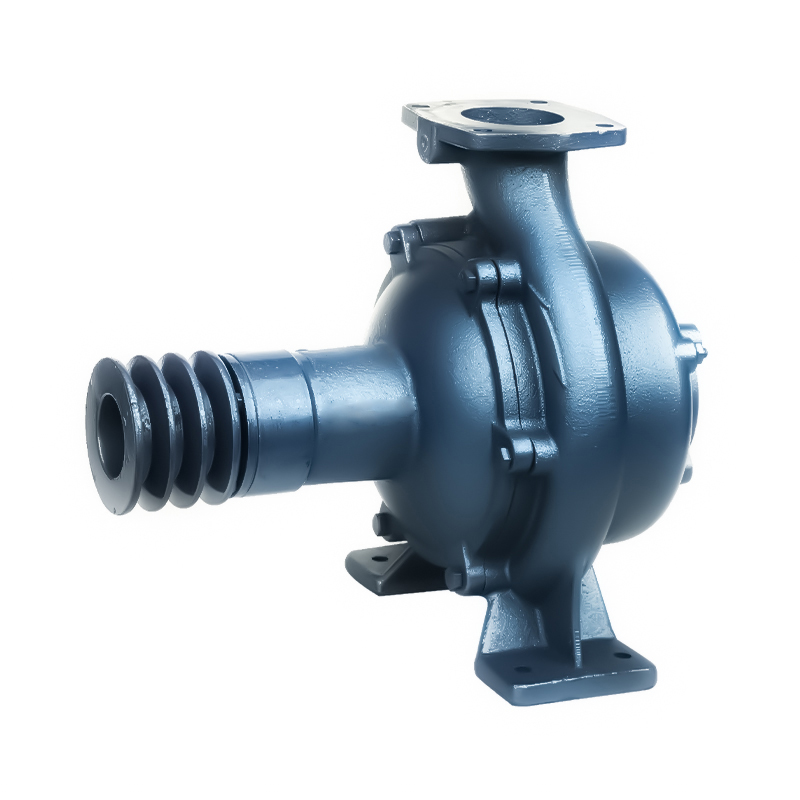
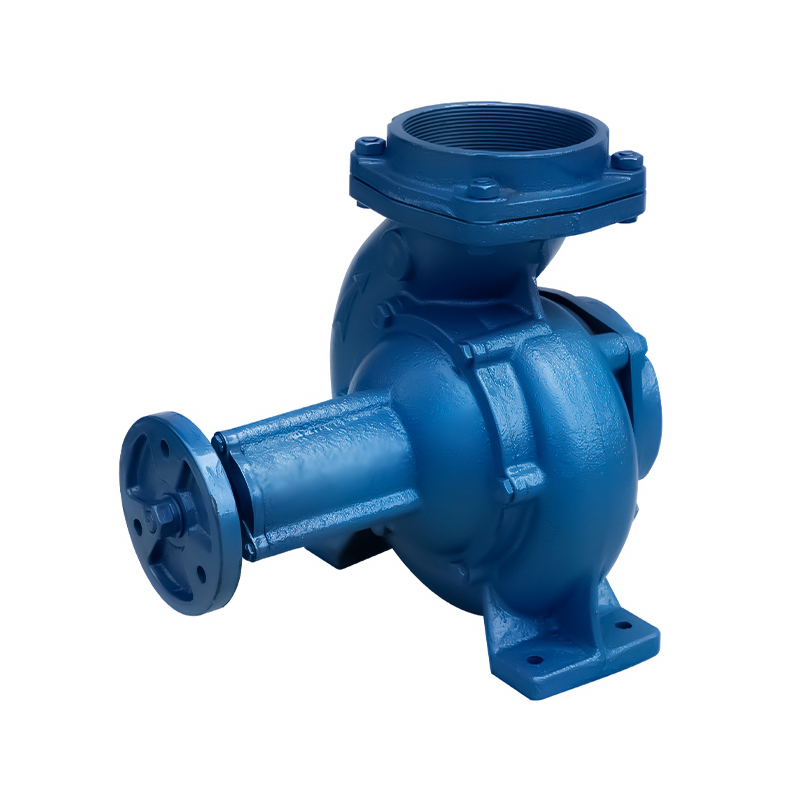
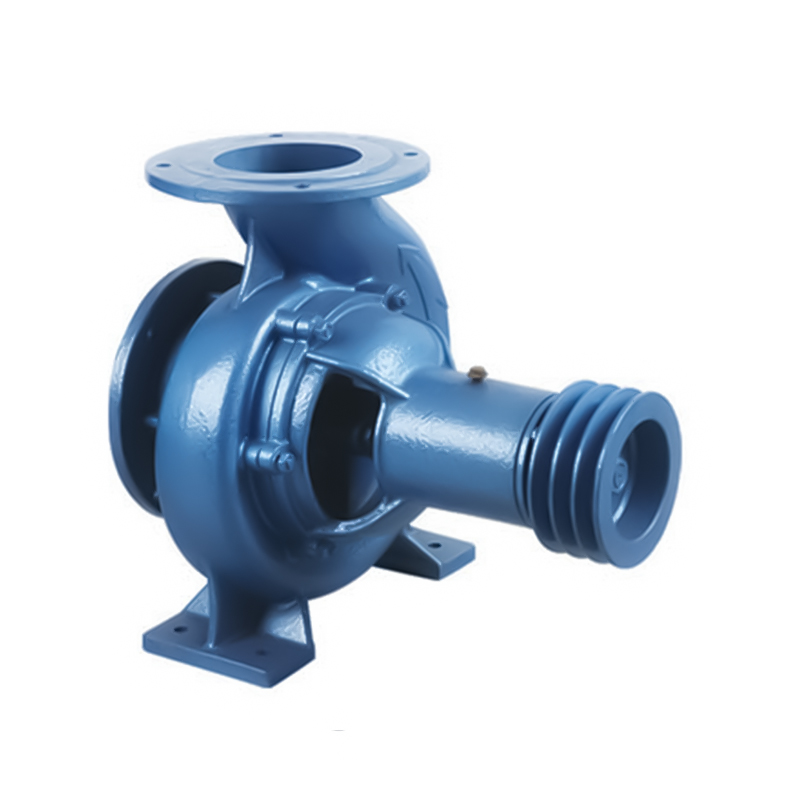
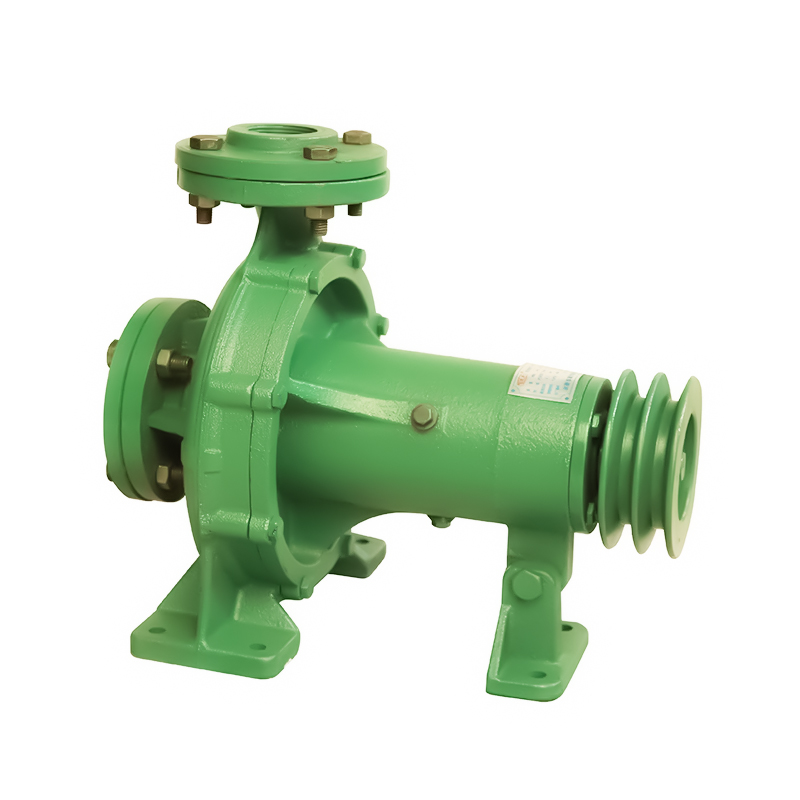
Agricultural irrigation systems continue to support crop production in many regions where water distribution requires careful planning. The Sprinkler Irrigation Centrifugal Pump is commonly used in irrigation projects that depend on steady water movement from storage or natural water sources to sprinkler networks. While agricultural applications often require larger pumping systems, a Household Self-Priming Pump may also be used for smaller water supply tasks around farms and rural properties.
Supporting Irrigation for Different Crop Types
Modern farms cultivate a wide range of crops, and each planting area may have different irrigation requirements. Sprinkler systems are frequently selected because they can distribute water across fields in a controlled manner.
A Sprinkler Irrigation Centrifugal Pump helps move water through pipelines and sprinkler equipment, allowing irrigation systems to operate according to planned schedules. These pumps are often used in field crop production, vegetable cultivation, and other agricultural activities where consistent water delivery is important.
The ability to integrate with various irrigation layouts makes centrifugal pumps suitable for farms of different sizes and production goals.
Applications in Orchards and Specialty Farming
Fruit orchards and specialty crop farms often require irrigation systems capable of reaching multiple growing zones. Water must be distributed across rows of trees or plants while adapting to changing terrain and field conditions.
In these situations, sprinkler irrigation systems supported by centrifugal pumps can help transfer water from reservoirs, ponds, or storage facilities to irrigation equipment. Proper water distribution contributes to routine farm management and supports crop development throughout the growing season.
As orchard layouts vary significantly, pump selection is often based on irrigation design and water supply requirements.
Water Supply Sources for Irrigation Systems
Agricultural operations obtain water from several different sources. Common options include ponds, reservoirs, canals, rivers, and storage tanks.
A Sprinkler Irrigation Centrifugal Pump can be adapted to work with these water sources when installed according to site conditions. Water source characteristics may influence intake design, filtration requirements, and overall system configuration.
When selecting pumping equipment, farmers often consider factors such as water availability, distance between the source and irrigation area, and the operating requirements of the sprinkler network.
Important Considerations When Selecting a Pump
Choosing suitable pumping equipment involves evaluating several operational factors.
Flow Requirements
Different crops and irrigation systems require varying amounts of water. Understanding flow requirements helps determine whether a pump can support the intended irrigation coverage.
Pressure Requirements
Sprinkler systems rely on pressure to distribute water effectively. Pumps should be selected with consideration for the pressure demands of the irrigation layout.
Installation Conditions
Elevation changes, pipeline length, and field configuration can all influence pump performance. Reviewing site conditions before installation can help improve system operation.
Maintenance Accessibility
Routine inspection and maintenance are important for agricultural pumping systems. Equipment that allows convenient servicing may help support ongoing irrigation activities.
The Role of Household Self-Priming Pumps
Although large irrigation systems often rely on centrifugal pumps, a Household Self-Priming Pump can serve useful purposes in agricultural environments.
These pumps are frequently used for supplying water to farm buildings, gardens, livestock facilities, and smaller irrigation areas. Their self-priming capability can simplify operation in situations where water levels change or temporary shutdowns occur.
For rural properties that combine residential and agricultural functions, self-priming pumps may complement larger irrigation systems by handling separate water transfer tasks.
Maintenance for Reliable Water Supply
Regular maintenance supports the continued operation of irrigation equipment. Operators often inspect suction lines, pipe connections, and pump components to ensure that water moves through the system as intended.
Keeping intake areas clear of debris and monitoring overall system performance can help identify potential issues before they affect irrigation schedules. Periodic maintenance may also contribute to longer equipment service life and more consistent operation throughout the growing season.
The Sprinkler Irrigation Centrifugal Pump remains a practical solution for agricultural water supply systems serving field crops, orchards, and other farming operations. By supporting water transfer from various sources to sprinkler networks, these pumps contribute to organized irrigation management. At the same time, a Household Self-Priming Pump can provide additional flexibility for smaller water supply applications around farms and rural properties. Careful equipment selection and regular maintenance help ensure that irrigation systems continue to meet operational requirements.

 Email:
 Phone:+86-13605899207