


 English
 русский
 Español
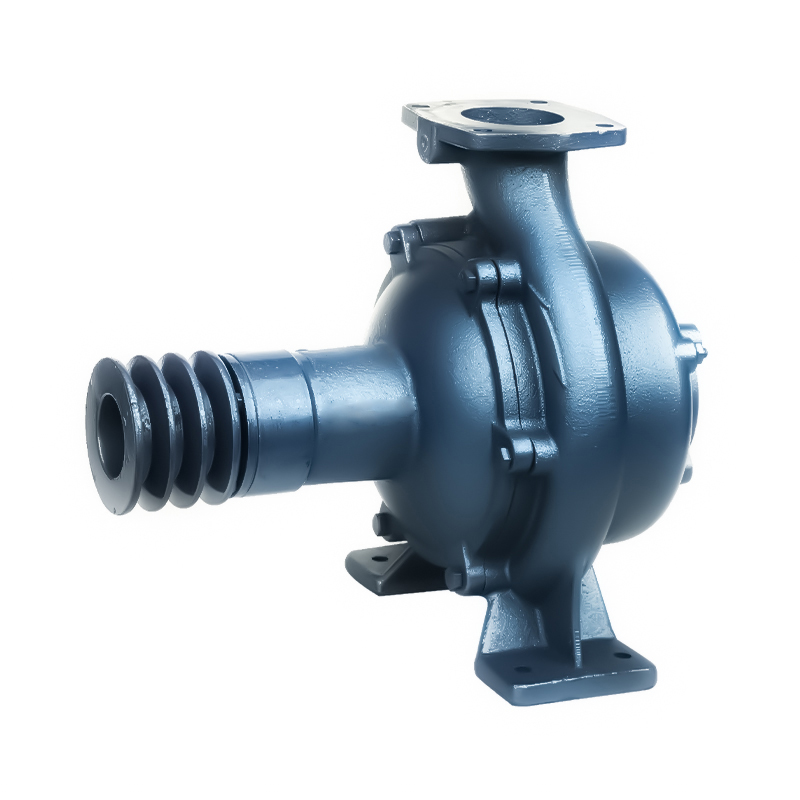
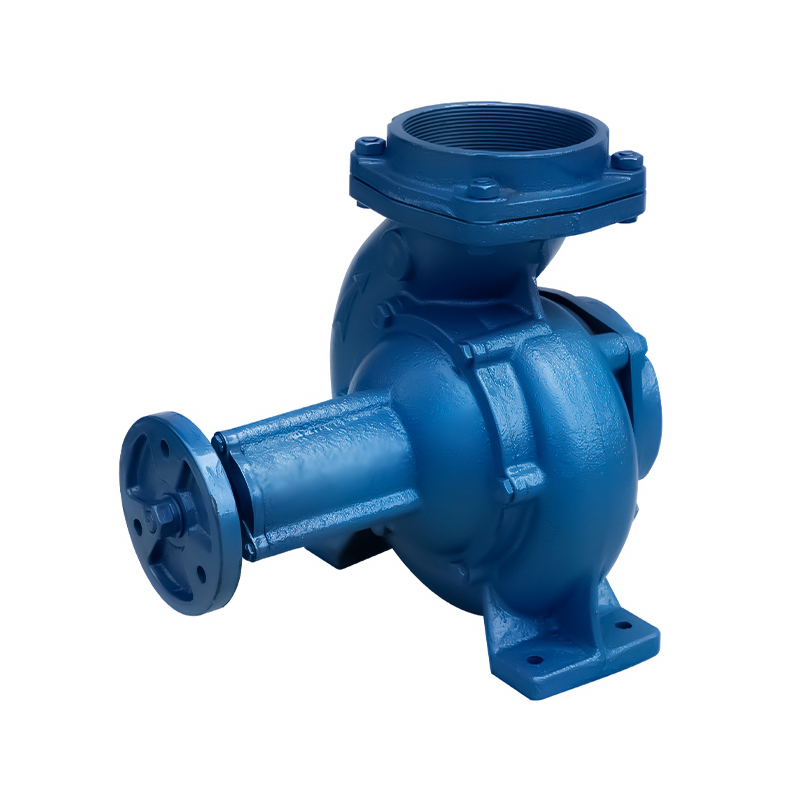
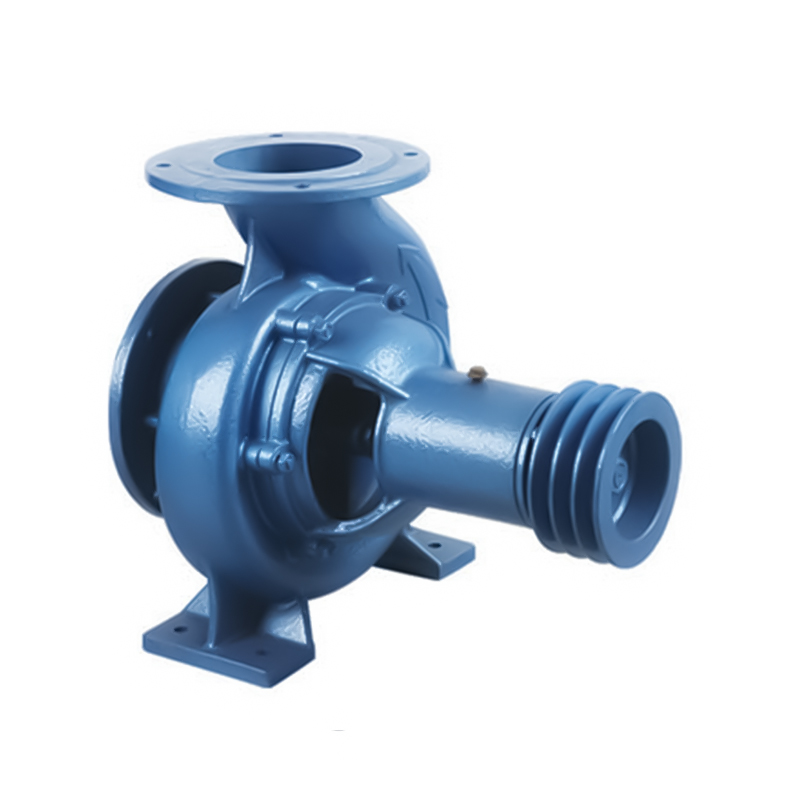
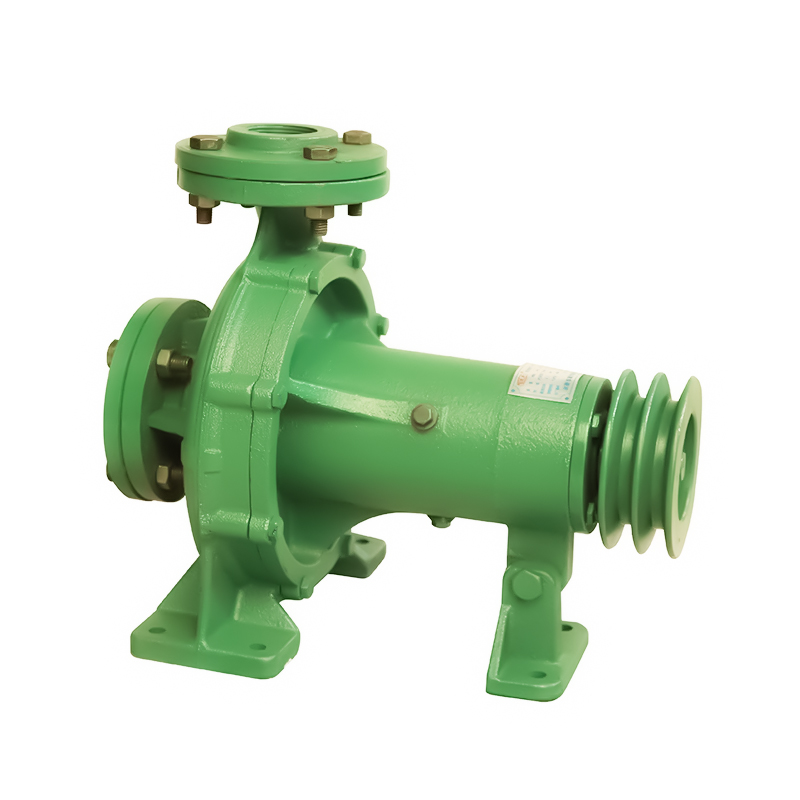
Water transfer—moving water from a source to a point of use—occurs in many settings: from filling irrigation canals to supplying industrial cooling towers. A High Suction Self‑Priming Pump has key characteristics making it suitable for these tasks.
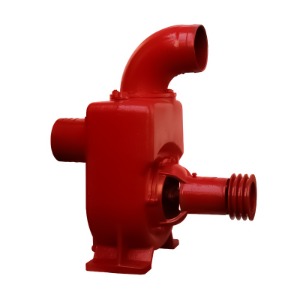
Advantage – Overcoming Elevation Differences
In many water transfer projects, the water source (river, lake, or pond) is lower than the pump location. A conventional centrifugal pump needs a flooded suction (placed below the water level or with a foot valve). A High Suction Self‑Priming Pump can be installed on dry ground above water, drawing water upward via a suction pipe. This eliminates the need for a below‑grade pump house or concrete wet well. For temporary transfers, it can be placed on a trailer or a simple platform, reducing civil works.
Advantage – No Need for Manual Priming Each Start
For intermittent water transfer (e.g., irrigating fields every few days), a standard centrifugal pump loses prime if the suction line drains back, requiring refilling before each use. A High Suction Self‑Priming Pump retains liquid in its casing after shutdown; on restart, it recirculates this liquid to evacuate air and resume pumping automatically. This saves labor and reduces dry-run damage risk (if the casing stays filled).
Advantage – Tolerance to Air Bubbles and Fluctuating Water Levels
Natural water levels change due to tides, seasons, or drawdown, sometimes causing suction strainers to suck air. A conventional pump loses prime and stops, but a High Suction Self‑Priming Pump handles small air amounts, expelling air through the discharge. If water levels drop too low, it may lose prime but re-primes automatically when levels rise. This aids unattended water transfer stations.
Advantage – Accessible Maintenance
With the pump and motor above ground, routine maintenance (checking bearings, replacing seals, cleaning impellers) is done without special equipment or confined space entry. In contrast, submersible pumps need cranes to pull them out for inspection. For High Suction Self‑Priming Pumps, operators close isolation valves, drain the casing if needed, and remove the pump cover or back pull‑out assembly. This reduces downtime and service costs.
Application – Agricultural Water Supply
Farms drawing water from canals for pivot irrigation can use a High Suction Self‑Priming Pump on a concrete pad near the bank. The suction pipe, with a coarse strainer, extends into the canal. The pump starts automatically when the irrigation controller calls for water. If canal levels drop temporarily, it shuts off on dry-run protection and restarts when levels recover, eliminating the need for operator checks before each cycle.
Application – Transfer Between Storage Tanks
Industrial or municipal facilities often move water from lower to higher storage tanks or treatment processes. A High Suction Self‑Priming Pump at grade level draws water from the lower tank. A level switch prevents dry running if the source tank is empty; when refilled, the pump restarts remotely and primes automatically.
Application – Dewatering of Reservoirs and Basins
Reservoirs, settling basins, or swimming pools need emptying for cleaning/repair, with water levels often below ground. A High Suction Self‑Priming Pump at the basin’s top edge draws water to near the bottom, running intermittently as levels drop. It stops when the suction pipe sucks air, with remaining water drained by other means—simpler than submersible pumps that need lowering as levels fall.
The High Suction Self‑Priming Pump offers practical benefits for water transfer: it works above the water source, restarts without manual priming, tolerates fluctuating levels, and enables easy maintenance. These attributes make it a popular choice for agricultural, industrial, and municipal water movement.

 Email:
 Phone:+86-13605899207