


 English
 русский
 Español
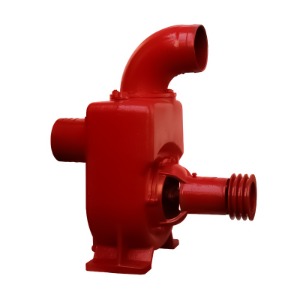
Corrosive fluid handling is a demanding requirement in chemical processing, industrial manufacturing, and wastewater treatment environments. In many of these systems, a High Suction Self-Priming Pump is selected due to its ability to maintain stable fluid transfer even when suction conditions are inconsistent or when pipelines contain air.
Understanding the Nature of Corrosive Fluids
Corrosive fluids include a wide range of chemical substances such as acids, alkaline solutions, oxidizing liquids, and chemically active mixtures. These fluids can gradually affect metal surfaces, seals, and internal pump components. The degree of corrosion depends on concentration, temperature, and exposure time.
In many industrial systems, fluids may also change composition during processing. This variation requires pumping equipment that can tolerate different chemical behaviors without frequent adjustment or replacement of core components.
Importance of Material Compatibility
Material selection is one of the many important factors when working with corrosive liquids. Pump casing materials must resist chemical reactions that may weaken structural integrity over time. Stainless steel variants, engineering plastics, and coated alloys are commonly considered depending on the fluid type.
Impellers also require careful selection because they are directly exposed to flowing liquids. Wear resistance and chemical stability are essential characteristics. In addition, sealing systems must be designed to prevent leakage under long-term chemical exposure.
Different sealing configurations may be used depending on operational conditions. Mechanical seals and elastomer-based components must be evaluated based on chemical compatibility charts and temperature tolerance ranges.
System Design and Operating Conditions
Beyond material selection, system design plays a significant role in pump performance. Suction height, pipeline length, and installation layout all influence flow stability. A High Suction Self-Priming Pump is often used in systems where fluid levels fluctuate or where air entry into pipelines cannot be fully avoided.
Temperature variations can also affect viscosity, which influences flow resistance. Higher viscosity fluids may require adjusted system configurations to maintain stable movement through pipelines.
Pipeline arrangement should minimize unnecessary bends and restrictions. Excessive resistance can reduce suction efficiency and affect system consistency over time.
Industrial Use Scenarios
Corrosive fluid pumping systems are widely used in chemical production facilities, surface treatment operations, and industrial cleaning processes. These environments often require continuous or semi-continuous fluid circulation to support production stages.
In wastewater treatment systems, chemically treated liquids must be transferred between tanks or processing units. Pumping equipment must maintain stability even when fluid composition changes during treatment stages.
Some industrial systems also involve batch processing, where pumps operate intermittently. In such cases, self-priming capability becomes particularly useful because it reduces the need for manual preparation during restart cycles.
Operational Challenges in Harsh Environments
One common challenge is improper material matching, which can cause wear of internal components. Even minor incompatibilities between fluid type and pump materials can affect long-term reliability.
Another challenge involves suction instability caused by gas formation or air leakage in pipelines. This can interrupt fluid flow and reduce system continuity.
Maintenance planning is also important because corrosive environments often accelerate component aging. Regular inspection of seals and internal surfaces helps maintain operational stability.
Engineering Considerations for Long-Term Use
System designers often evaluate multiple factors when integrating pumping equipment into corrosive environments. These include chemical compatibility, flow requirements, maintenance accessibility, and installation constraints.
A balanced approach helps ensure that the pumping system remains stable across different operational conditions without frequent modification.

 Email:
 Phone:+86-13605899207