


 English
 русский
 Español
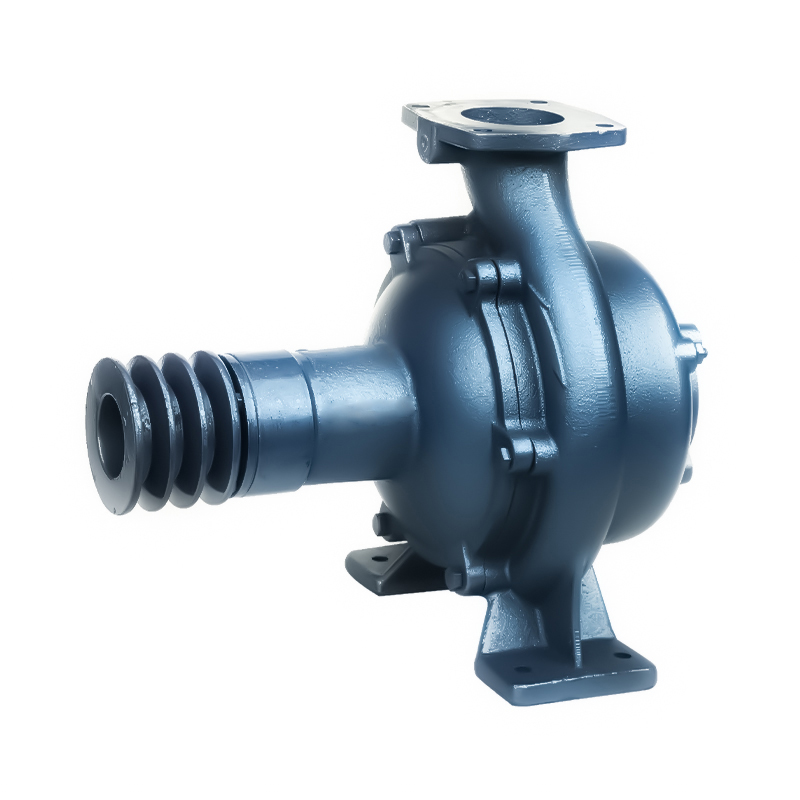
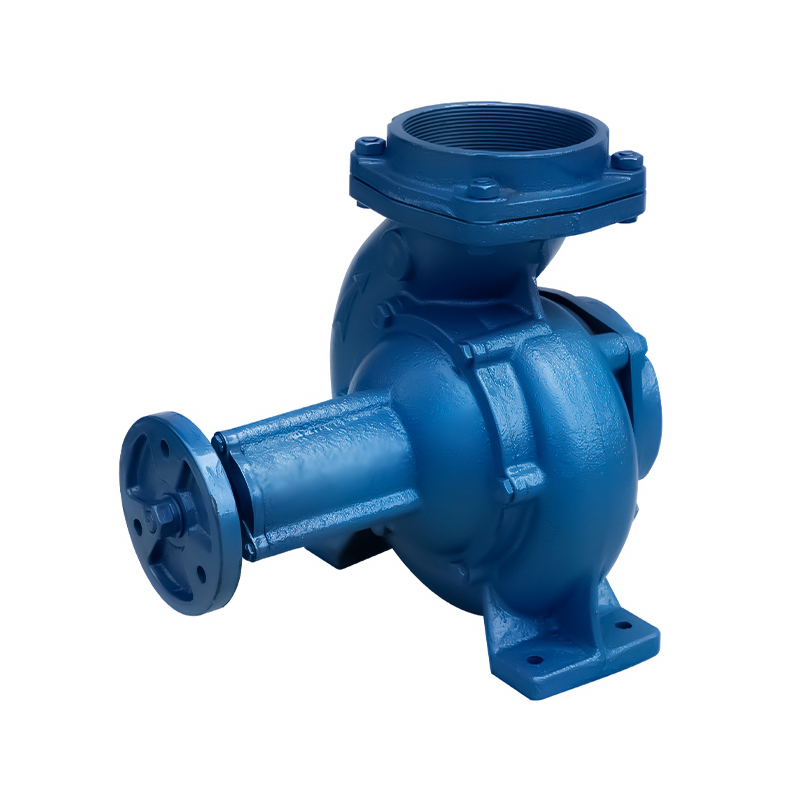
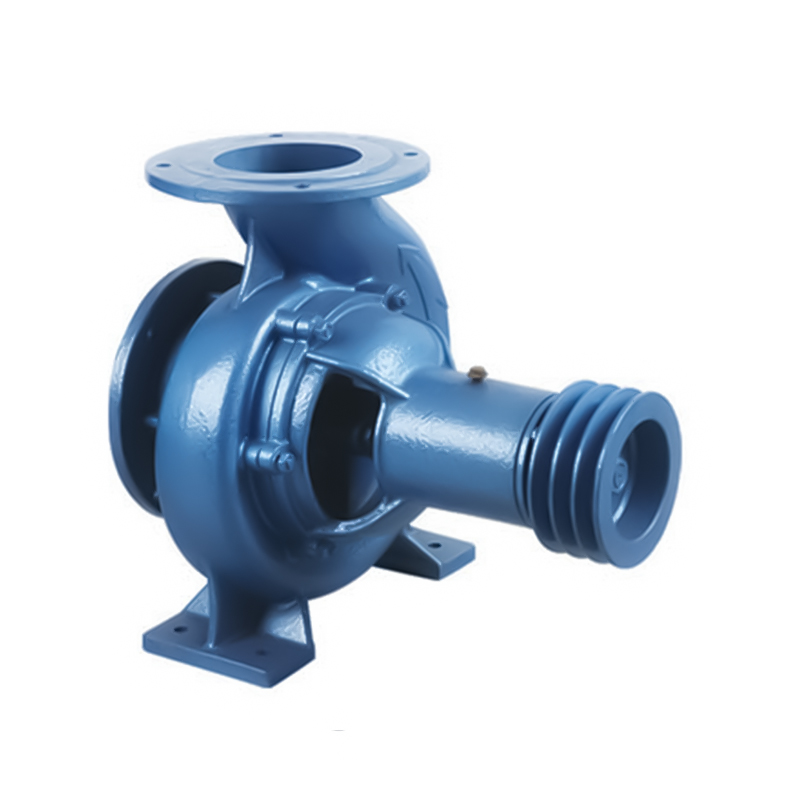
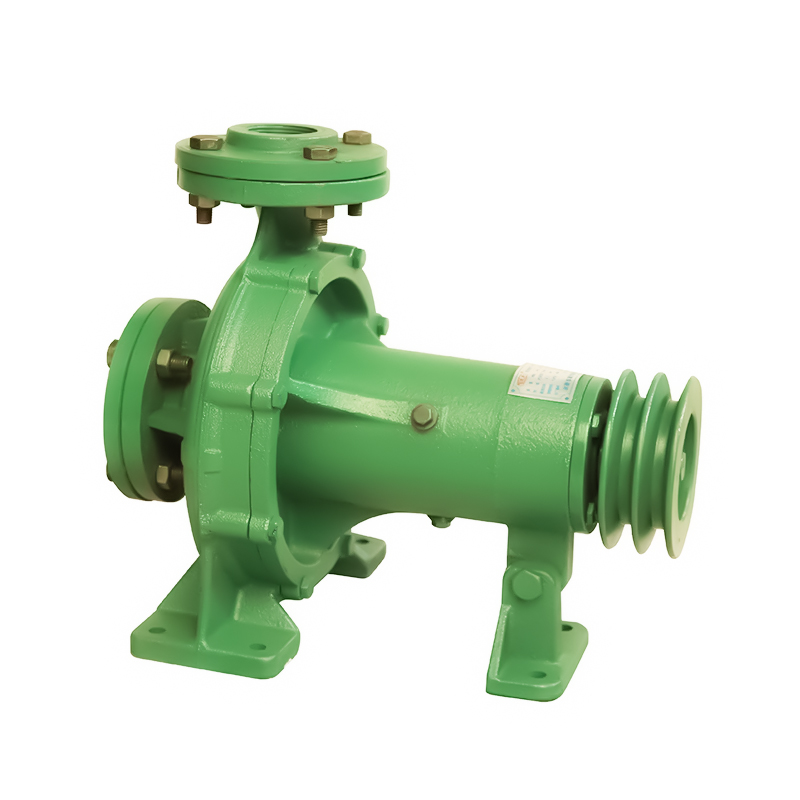
Daily access to water is essential for many household activities, from cleaning and cooking to gardening and general property maintenance. A Household Self-Priming Pump is commonly used in residential water systems where water must be transferred from a tank, well, or storage source to different areas of the property. For larger agricultural applications, a Sprinkler Irrigation Centrifugal Pump is often used to support irrigation networks, demonstrating how different pump types address different water supply requirements.
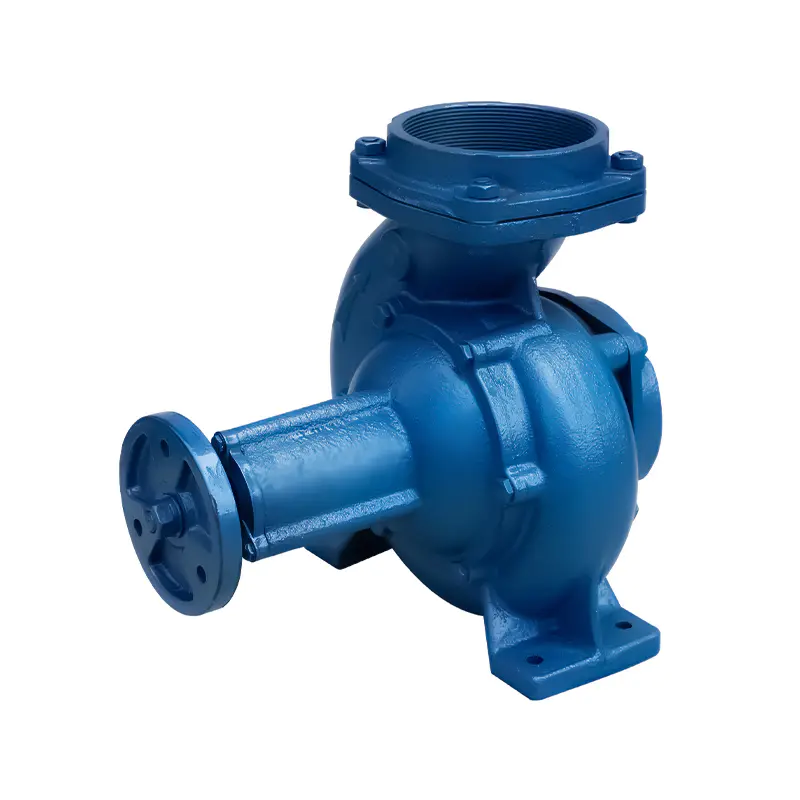
Self-Priming Capability for Convenient Operation
One of the key features of a Household Self-Priming Pump is its ability to remove air from the suction line and restore water flow during startup. This characteristic can simplify operation in situations where the pump experiences temporary shutdowns or interruptions.
Because the pump is designed to handle small amounts of air within the system, it can be suitable for residential installations where water levels may vary. This feature helps reduce the need for frequent manual intervention during normal operation.
Supporting Daily Household Water Use
Residential properties often require water for a variety of tasks throughout the day. Water may be needed for kitchens, bathrooms, laundry areas, outdoor cleaning, and landscape maintenance.
A Household Self-Priming Pump can help transfer water from the source to the household plumbing system, supporting regular water use across different parts of the property. Depending on the installation, the pump may serve a single area or provide water to multiple outlets.
Its versatility makes it suitable for a range of residential environments, including houses, rural properties, and small garden facilities.
Flexible Installation Options
Another commonly appreciated feature is installation flexibility. Household self-priming pumps can often be integrated with different water supply arrangements, including water tanks, shallow wells, rainwater collection systems, and storage reservoirs.
The pump can be positioned according to site conditions and connected to existing plumbing networks. This flexibility allows property owners to adapt the system to available water sources and operational requirements.
Careful installation planning can help support reliable water transfer and consistent system performance.
Applications Beyond Indoor Water Supply
While household water delivery is a primary function, a Household Self-Priming Pump may also support outdoor activities.
Garden Irrigation
Many homeowners use pumps to provide water for lawns, plants, and small landscape areas. Consistent water access can assist with routine garden maintenance.
Water Transfer Between Storage Systems
Properties that utilize multiple storage tanks may require periodic water movement between locations. Self-priming pumps can help support these transfer tasks.
Property Maintenance
Outdoor cleaning activities, such as washing equipment, pathways, or other surfaces, may also benefit from a dependable water supply system.
For larger agricultural irrigation projects, a Sprinkler Irrigation Centrifugal Pump is generally selected because it is designed to move water through broader irrigation networks and serve larger coverage areas.
Factors That Support Reliable Operation
Several factors contribute to the performance of a household pumping system.
Proper Pump Selection
Choosing equipment that matches water source conditions and expected usage patterns can support stable operation.
Routine Inspection
Checking pipes, fittings, and pump components periodically can help identify wear or potential issues before they affect daily use.
Clean Water Pathways
Keeping filters and intake areas clear of debris helps maintain water flow and supports efficient operation.
Monitoring System Performance
Observing changes in water delivery can provide useful information about the condition of the pump and plumbing network.
Relationship to Irrigation Systems
Although designed for different purposes, household pumps and irrigation pumps both play important roles in water management. A Household Self-Priming Pump focuses on residential water supply, while a Sprinkler Irrigation Centrifugal Pump supports water distribution across agricultural fields, orchards, and other irrigation applications.
Understanding the intended use of each pump type helps users select equipment that aligns with their water supply objectives.
A Household Self-Priming Pump offers practical features that support everyday residential water supply, including self-priming operation, installation flexibility, and compatibility with various water sources. These characteristics make it useful for household water delivery, garden irrigation, and general property maintenance. In comparison, a Sprinkler Irrigation Centrifugal Pump is typically applied to larger irrigation systems where broader water distribution is required. Appropriate installation and regular maintenance help support dependable operation in both residential and agricultural environments.

 Email:
 Phone:+86-13605899207