


 English
 русский
 Español
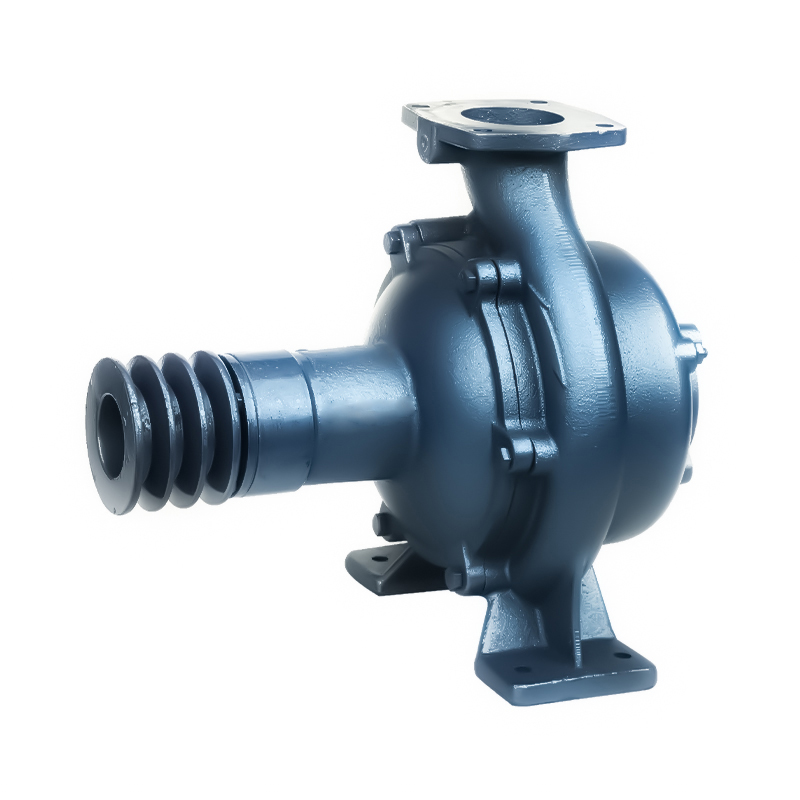
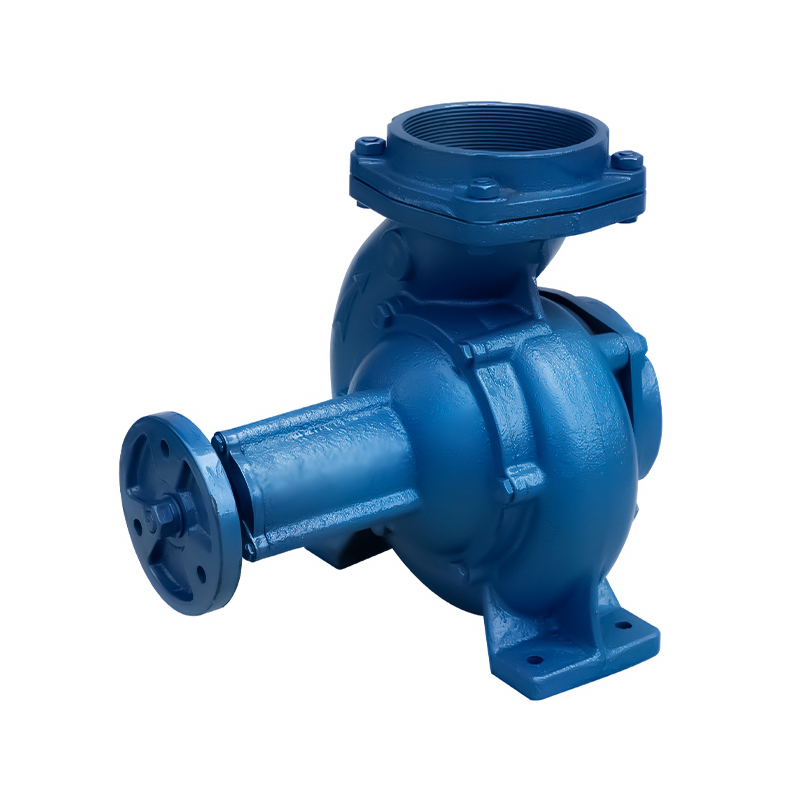
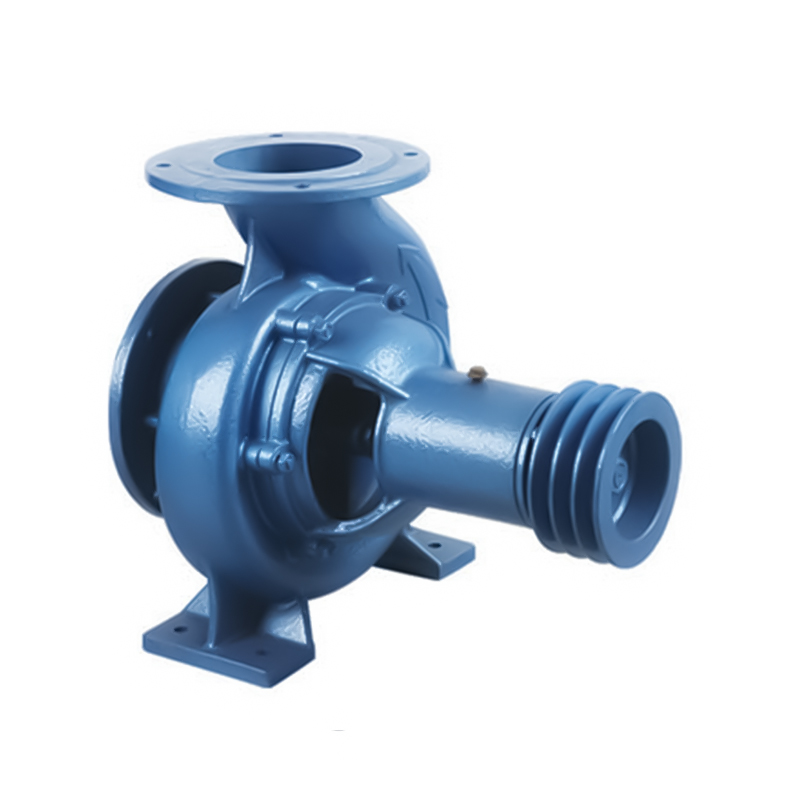
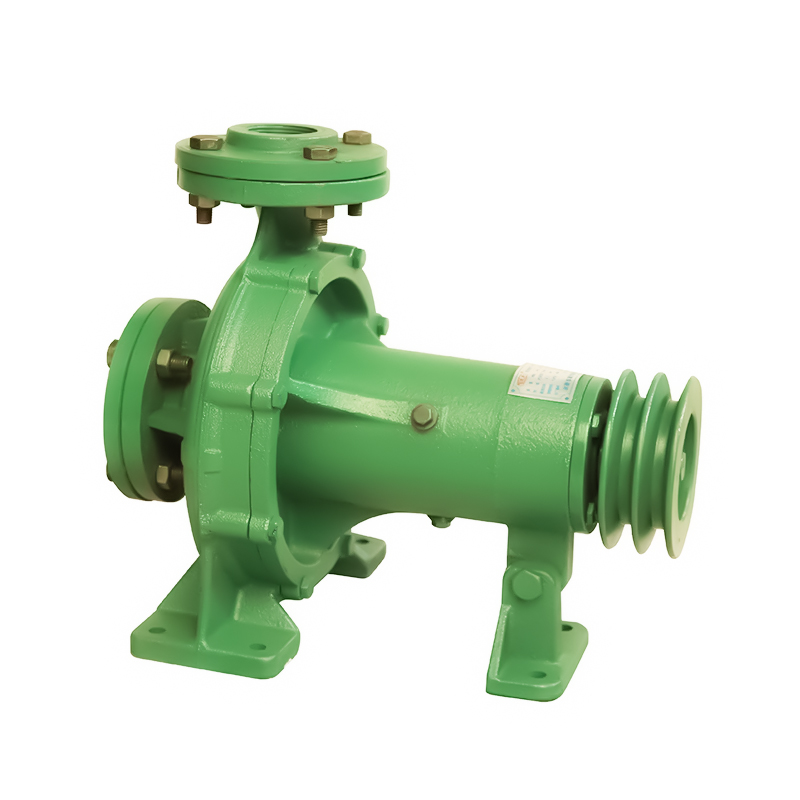
Reliable water pressure is an important part of daily residential water use. A Household Self-Priming Pump is commonly installed in homes that rely on water tanks, shallow wells, or independent water supply systems. Its ability to restore water flow after startup makes it a practical option for many residential applications. While household systems focus on domestic water delivery, a Sprinkler Irrigation Centrifugal Pump is often used in agricultural irrigation projects where larger areas require regular water distribution.
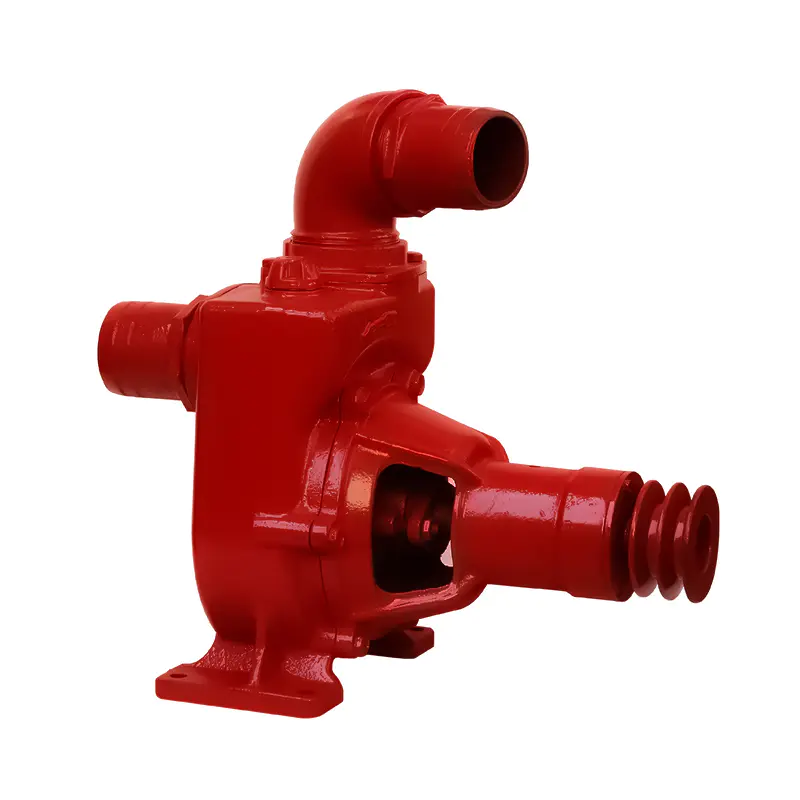
Understanding Pump Performance in Residential Systems
The performance of a Household Self-Priming Pump is influenced by both the pump itself and the surrounding water supply system. These pumps are designed to draw water from a source and deliver it to various household outlets, supporting activities such as washing, cleaning, gardening, and general water use.
Consistent operation depends on factors including installation conditions, pipeline design, and the overall demand placed on the system. Selecting equipment that matches household requirements can contribute to smoother water delivery throughout the property.
Why Water Pressure Is Important
Water pressure directly affects user experience in residential environments. When pressure levels fluctuate, water flow from faucets, showers, or outdoor taps may become inconsistent.
A properly selected Household Self-Priming Pump helps maintain a steady supply of water for everyday activities. Stable pressure can improve the performance of household plumbing systems and support multiple water outlets operating within normal usage conditions.
For homes with larger water demands, understanding pressure requirements is an important part of pump selection.
Factors That Affect Water Pressure
Suction Height
The distance between the water source and the pump can influence pumping performance. If the pump is installed too far above the water source, water delivery may become less efficient.
Pipeline Configuration
Long pipelines and multiple bends may create additional resistance within the system. Careful pipeline planning can help support smoother water movement.
Household Water Demand
Daily water consumption varies depending on the number of users and the types of activities taking place. Periods of increased demand may place additional requirements on the pumping system.
System Maintenance
Blocked filters, worn components, or loose connections can affect water flow and pressure. Regular inspection helps maintain stable operation.
Installation Considerations
Correct installation contributes significantly to pump performance. Secure pipe connections, suitable intake arrangements, and proper placement of the pump can support reliable water transfer.
Property owners often review water source conditions and plumbing layouts before selecting equipment. These factors can influence both pressure stability and overall system efficiency.
Routine monitoring after installation can also help identify operational issues at an early stage.
Comparing Household and Irrigation Applications
A Household Self-Priming Pump is generally used for residential water supply, while a Sprinkler Irrigation Centrifugal Pump is commonly applied in agricultural irrigation systems.
The irrigation pump is designed to support water movement across fields, orchards, or other cultivated areas through sprinkler networks. Household pumps, by contrast, focus on supplying water to residential fixtures and smaller outdoor applications.
Although the scale of operation differs, both systems depend on proper equipment selection and maintenance to support dependable performance.
Maintaining a Consistent Water Supply
Regular maintenance is an important part of pump ownership. Cleaning filters, checking pipe connections, and observing changes in water flow can help maintain system performance.
Monitoring the condition of the pump and associated plumbing components may reduce the likelihood of unexpected interruptions. Scheduled inspections can also support long-term operation and improve the overall reliability of the water supply system.
A Household Self-Priming Pump supports residential water delivery by helping maintain stable water flow and pressure for daily activities. Factors such as suction height, pipeline design, water demand, and maintenance practices all influence performance. While a Sprinkler Irrigation Centrifugal Pump serves larger irrigation systems, both pump types demonstrate the importance of selecting equipment that matches the intended application and operating environment.

 Email:
 Phone:+86-13605899207