


 English
 русский
 Español
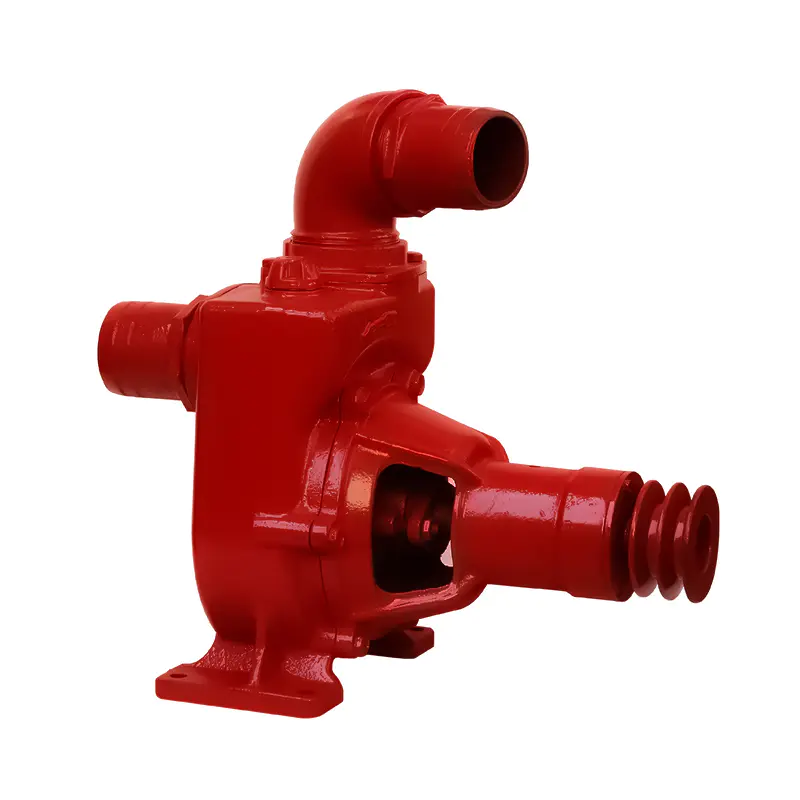
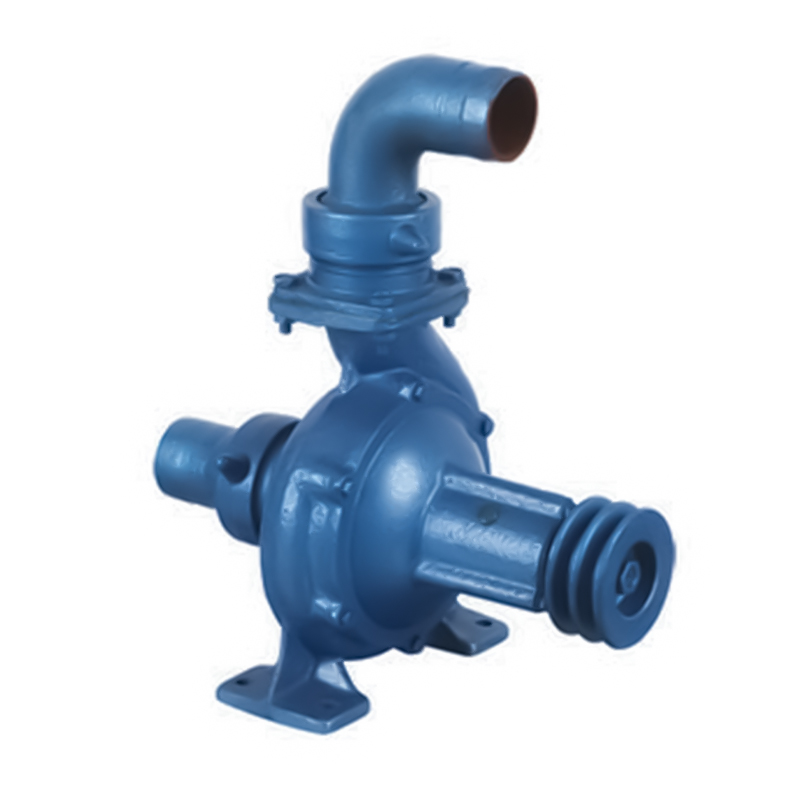
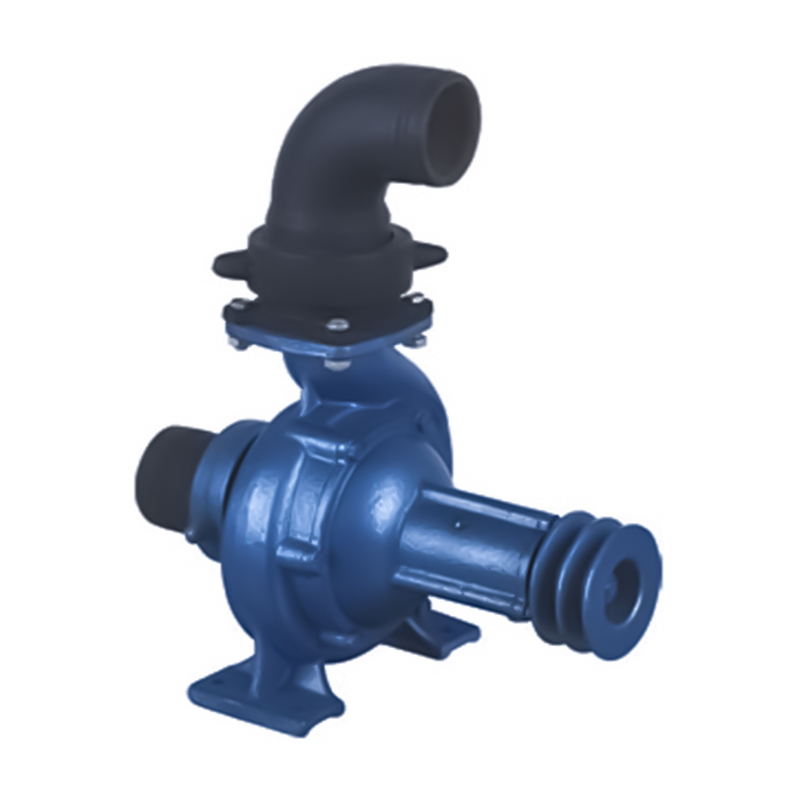
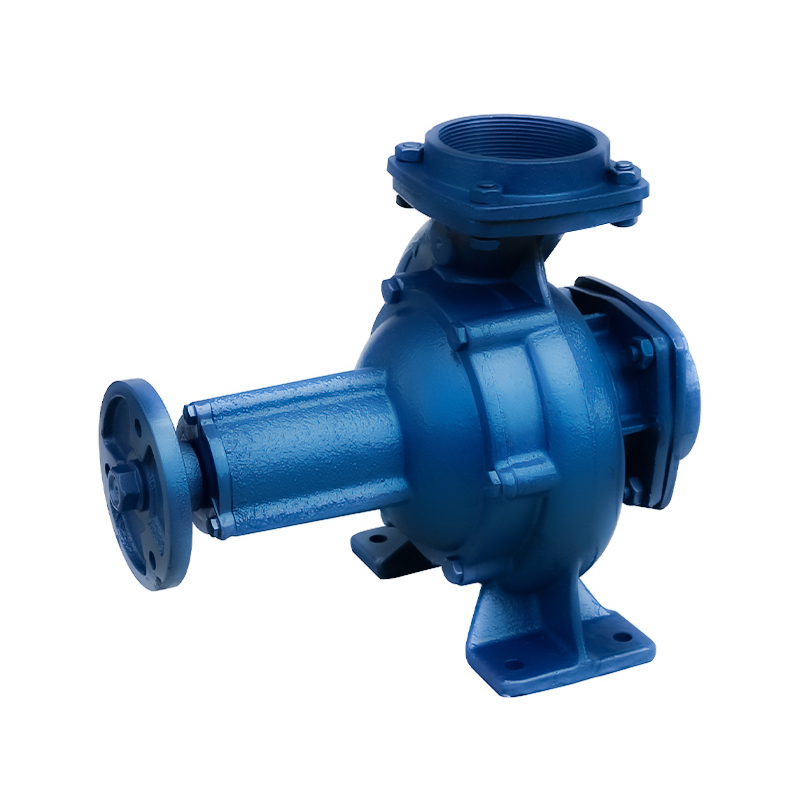
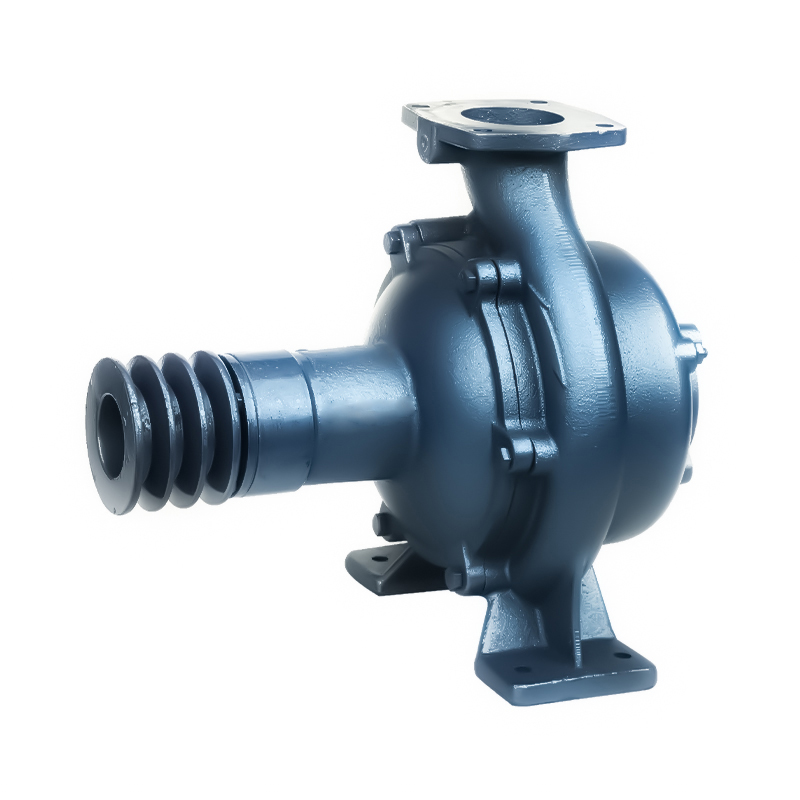
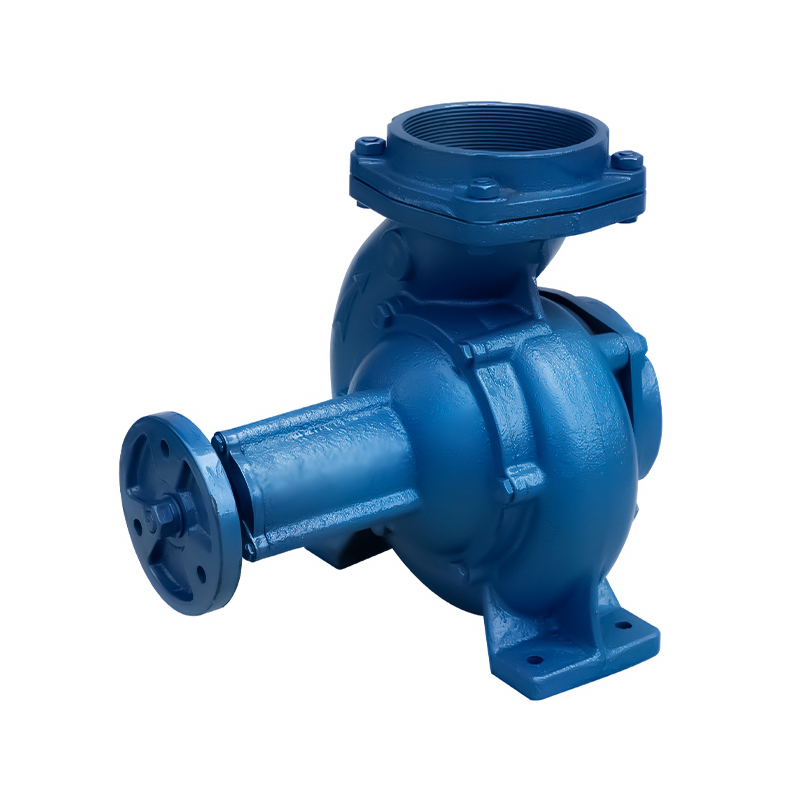
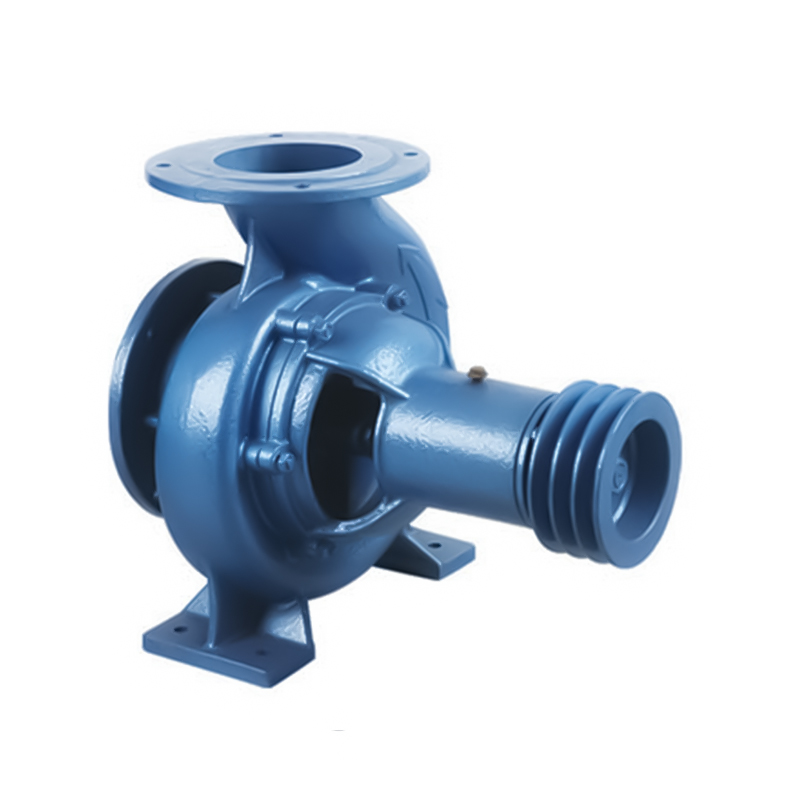
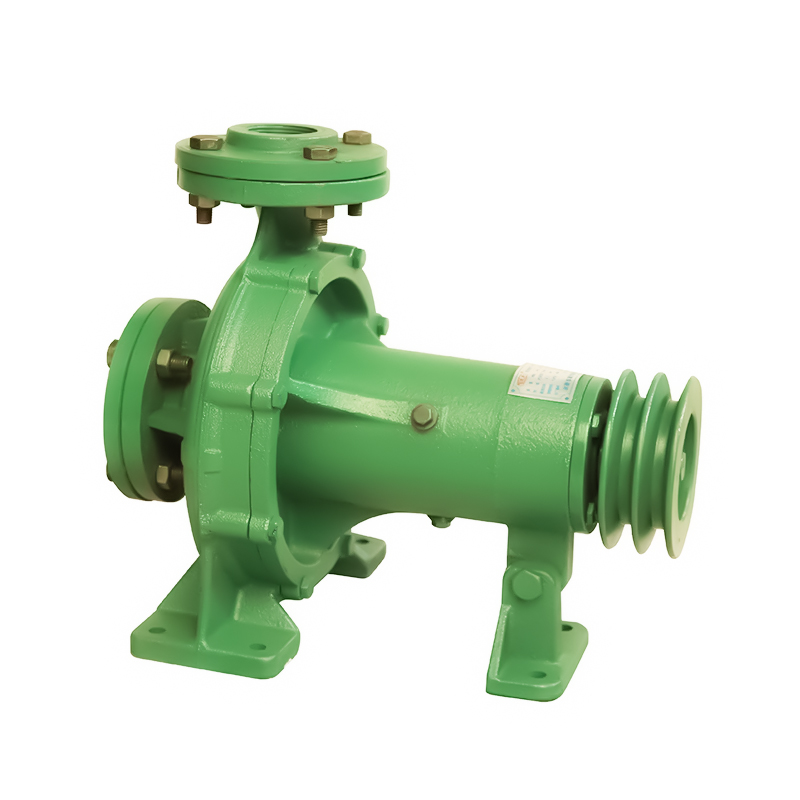
Water source conditions can influence the operation of many irrigation systems. A Sprinkler Irrigation Centrifugal Pump is widely used in agricultural irrigation because it can transfer water from various sources to sprinkler networks. Depending on the location and irrigation design, water may come from ponds, rivers, reservoirs, canals, or storage tanks. In some smaller applications, a Household Self-Priming Pump may also be used to support water transfer needs where irrigation coverage is limited.
Understanding the Relationship Between Water Sources and Pump Performance
Not all water sources have the same characteristics. Factors such as water level stability, sediment content, and intake conditions can affect how a pump operates.
A Sprinkler Irrigation Centrifugal Pump is typically selected according to both irrigation requirements and source conditions. When a pump is matched appropriately to the available water source, the irrigation system can maintain more consistent operation throughout watering cycles.
Evaluating the water source before installation can help determine suitable intake arrangements and maintenance requirements.
Pond Water Applications
Ponds are commonly used as irrigation water sources in agricultural areas. They can store water during wetter periods and provide access when irrigation demand increases.
When using pond water, centrifugal pumps are often installed near the water source and connected to irrigation pipelines. Proper intake placement is important because sediment and floating debris may affect water flow.
Filtration equipment is frequently included in the system to help reduce the amount of material entering the pump and sprinkler components. Regular inspection of intake areas can also support smoother operation during the irrigation season.
River and Canal Water Sources
Rivers and canals provide another option for agricultural irrigation. These sources often supply water continuously, making them suitable for farms with ongoing irrigation requirements.
A Sprinkler Irrigation Centrifugal Pump can be configured to draw water from rivers or canals and deliver it to sprinkler systems. However, water levels may change throughout the year due to seasonal conditions and water management practices.
Changes in water depth can influence intake positioning and pumping efficiency. For this reason, irrigation operators often monitor water levels and adjust equipment when necessary.
Proper installation and routine maintenance help maintain dependable water transfer under varying conditions.
Reservoir and Storage Tank Applications
Reservoirs and storage tanks are commonly used where water needs to be stored before irrigation. These systems can provide a more controlled water supply compared with natural water sources.
Because stored water is often easier to manage, pumping systems may experience fewer fluctuations in intake conditions. A Sprinkler Irrigation Centrifugal Pump can efficiently transfer water from these storage facilities to sprinkler networks serving agricultural fields.
Storage-based systems may also simplify irrigation scheduling because water is available when needed rather than depending entirely on seasonal water availability.
Factors Affecting Pump Operation Across Different Sources
Several factors can influence how a pump performs regardless of the water source.
Water Quality
Sediment, sand, and organic material may affect pumping equipment over time. Appropriate filtration and periodic cleaning can help maintain system performance.
Intake Position
The location of the intake structure plays an important role in water transfer. Proper positioning can help reduce the risk of debris entering the system.
Distance to Irrigation Areas
Longer pipeline distances may affect water delivery and system pressure. Irrigation layouts should be considered during pump selection and installation.
Routine Maintenance
Regular inspection of pumps, pipes, and intake components helps support continued operation and reduces the likelihood of unexpected interruptions.
Comparing Large and Small Water Supply Applications
Agricultural irrigation systems often require larger pumping capacities than residential water supply systems. For this reason, centrifugal pumps are frequently selected for field irrigation and crop production activities.
A Household Self-Priming Pump, however, can be useful in smaller environments such as gardens, small farms, greenhouses, or rural properties. Its self-priming capability allows it to restart more conveniently after temporary shutdowns or interruptions in water flow.
While the operating scale differs, both pump types contribute to effective water movement when applied to suitable tasks.
Maintaining Consistent Irrigation Performance
Irrigation operators often focus on maintaining stable water delivery throughout the growing season. This involves monitoring pump operation, checking intake conditions, and ensuring that sprinkler equipment functions as intended.
Periodic cleaning of filters, inspection of pipelines, and observation of water flow patterns can help identify issues before they affect irrigation activities. These maintenance practices support reliable water distribution across a range of water source conditions.
The performance of a Sprinkler Irrigation Centrifugal Pump can be influenced by the characteristics of the water source supplying the irrigation system. Ponds, rivers, canals, reservoirs, and storage tanks each present different operating conditions that should be considered during equipment selection and installation. A Household Self-Priming Pump may also provide practical support for smaller-scale water transfer applications. Understanding water source characteristics and maintaining equipment regularly can contribute to steady irrigation operation across a variety of agricultural environments.

 Email:
 Phone:+86-13605899207